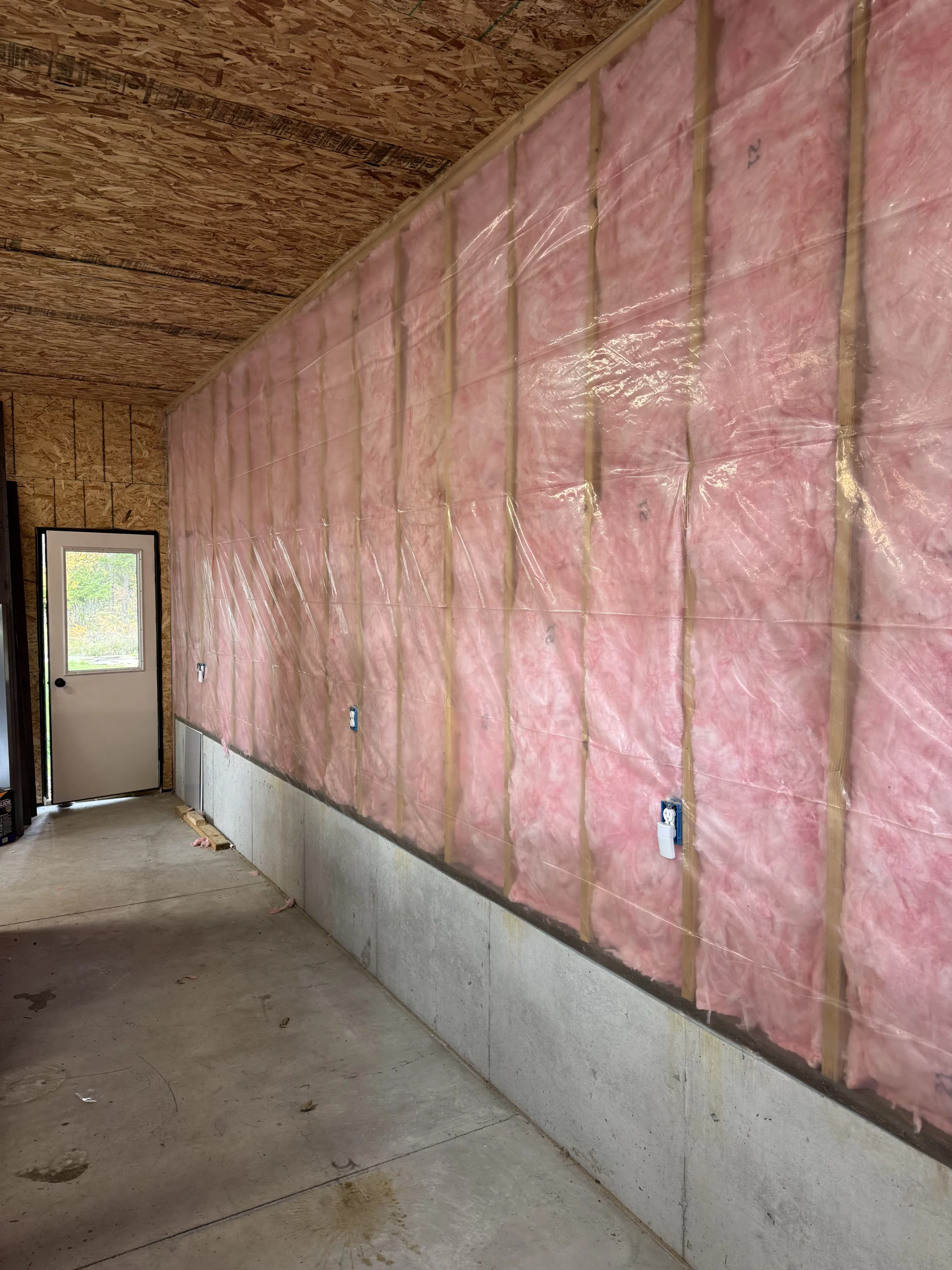
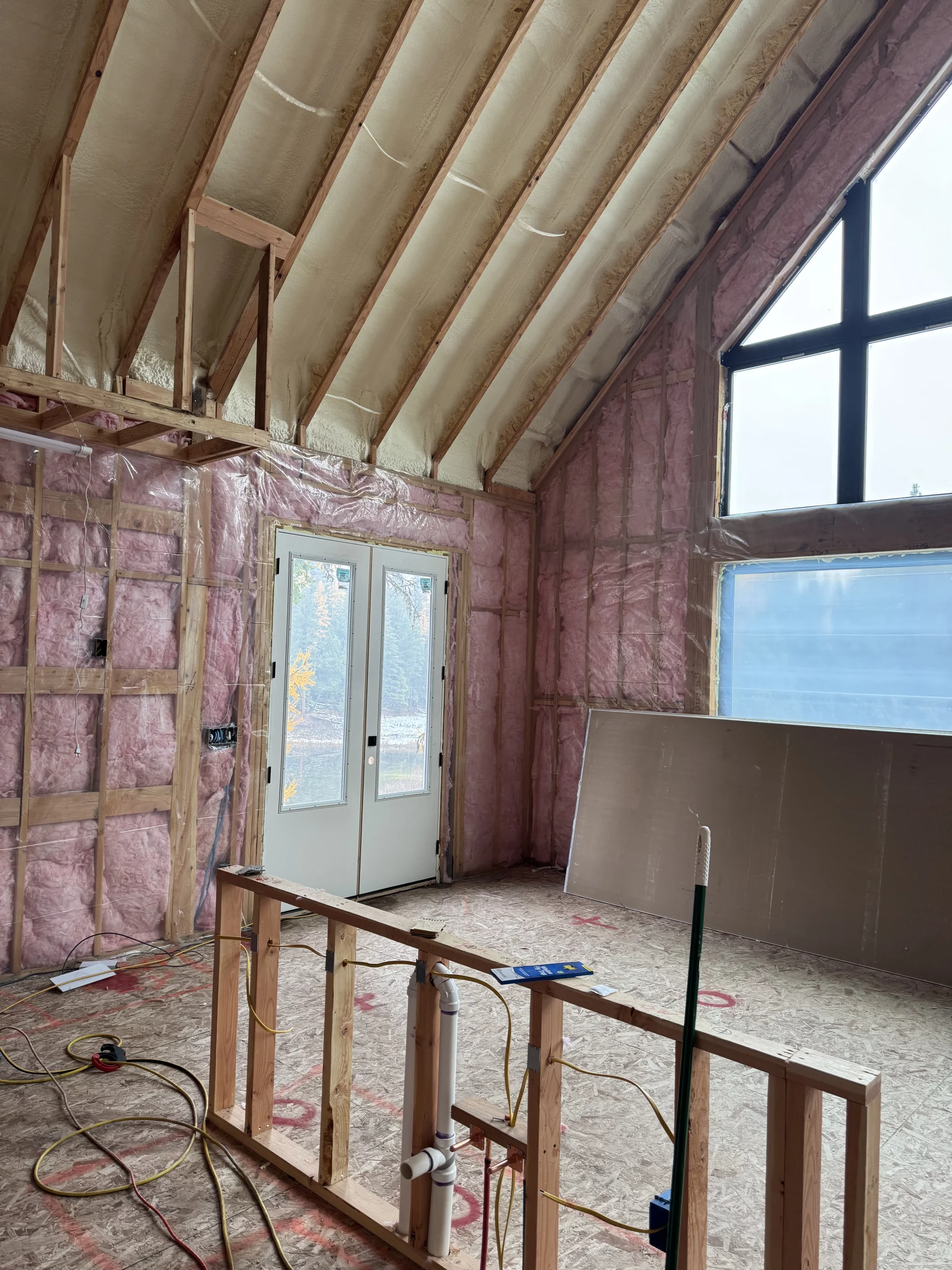
Is Residential Spray Foam Insulation the Right Upgrade for Your Property in Marion, MT?
admin-wegnerinsulation
April 27th, 2026
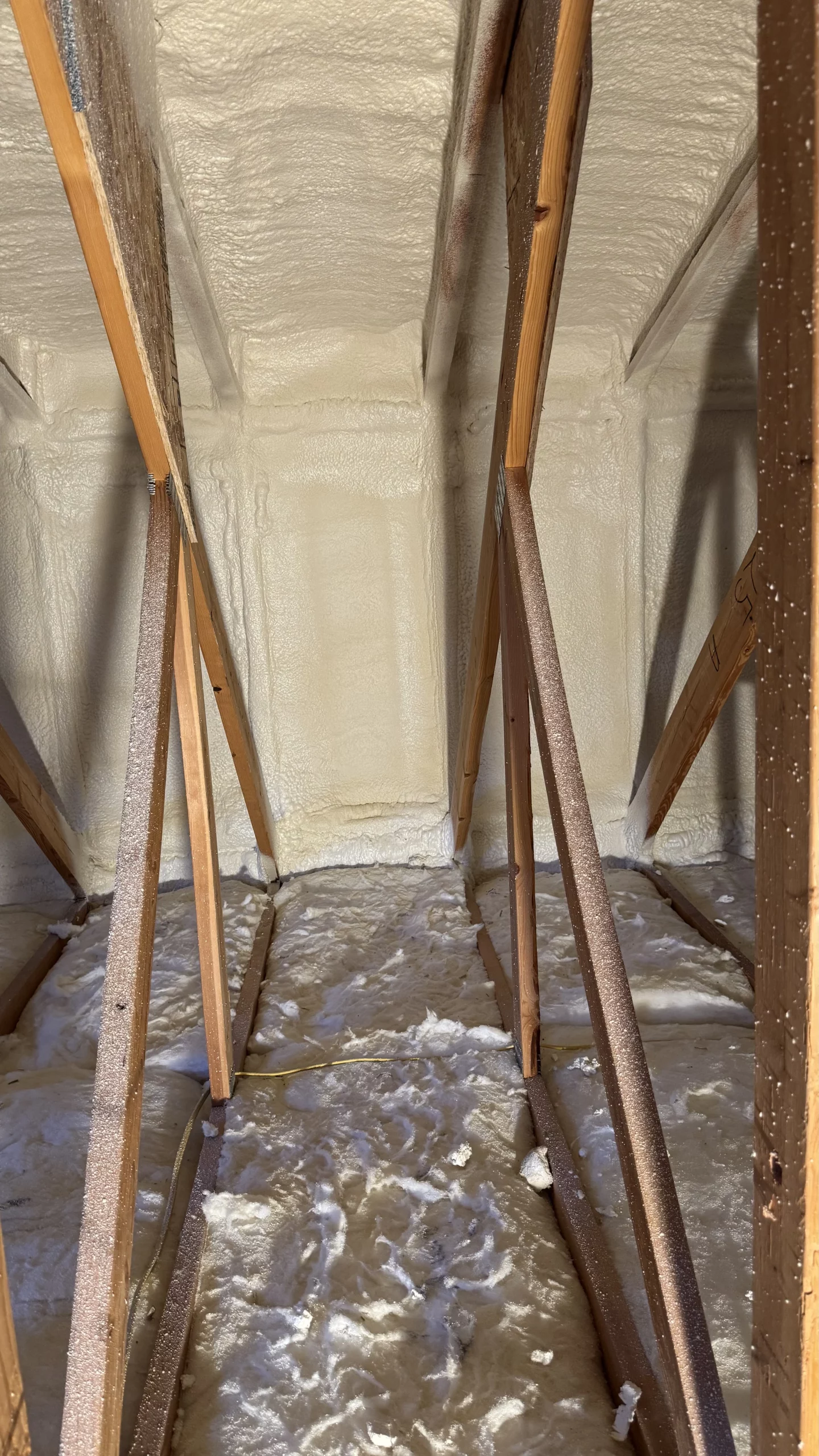
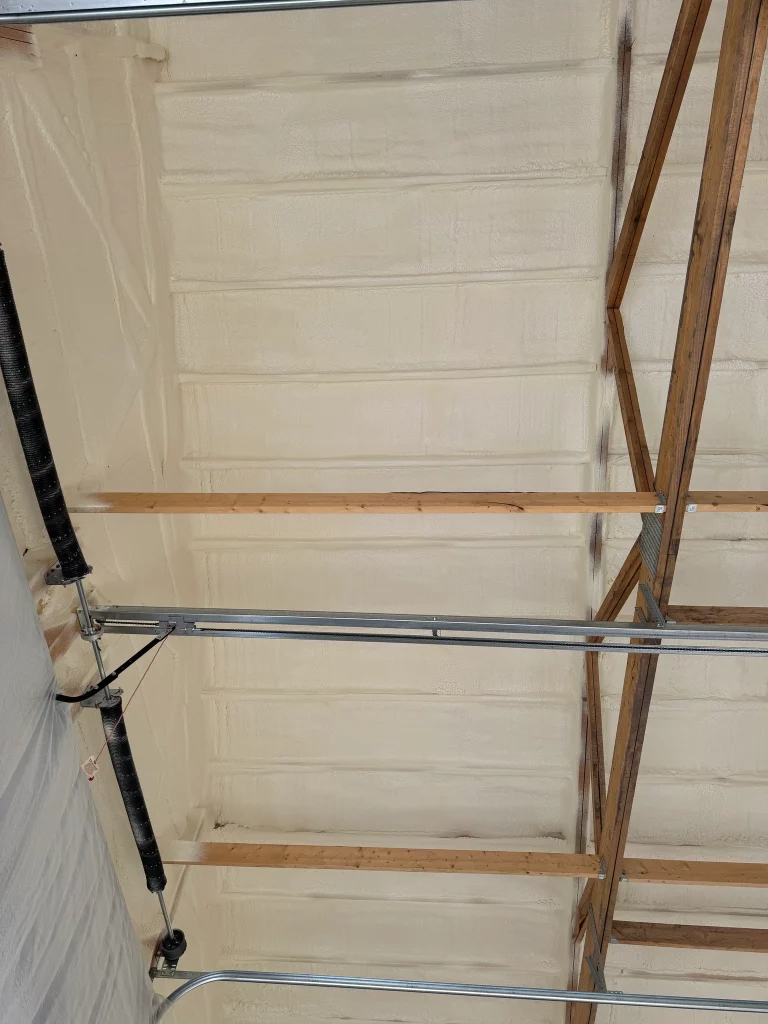
Residential spray foam insulation is absolutely worth considering for properties in Marion, Montana, especially given the region’s cold, dry climate in IECC Climate Zone 6B, where winter temperatures can dip to -13°F. The combination of air sealing and high R-value per inch makes spray foam one of the most effective insulation upgrades available for homes in northwestern Montana. However, the right choice depends on your property’s current insulation condition, your budget, and whether you need the moisture barrier and structural benefits that only spray foam can provide. There are two main types to evaluate, open-cell and closed-cell, and each serves a different purpose depending on where in the home it is being installed. For a deeper breakdown of system performance and applications, explore residential spray foam insulation in Marion, MT.
TLDR / Key Takeaways
Marion, MT, sits in IECC Climate Zone 6B, requiring minimum R-49 for ceilings, R-20 for walls, and R-30 for floors under current energy code standards
Open-cell spray foam delivers R-3.5 to R-3.8 per inch and works well in interior walls and attics, where budget is a primary concern
Closed-cell spray foam achieves R-6 to R-7 per inch and doubles as a moisture barrier, making it the better choice for crawl spaces, basements, and exterior walls
ENERGY STAR estimates that air sealing combined with proper insulation can reduce heating and cooling costs by up to 15% nationally, with savings reaching roughly 18% on heating and cooling specifically in Climate Zone 6
Typical residential spray foam installation costs range from $2.75 to $7.50 per square foot, depending on foam type, thickness, and application area
The EPA advises that proper curing, ventilation, and re-entry timing are essential for safe installation, with most manufacturers recommending 24 hours before re-occupancy
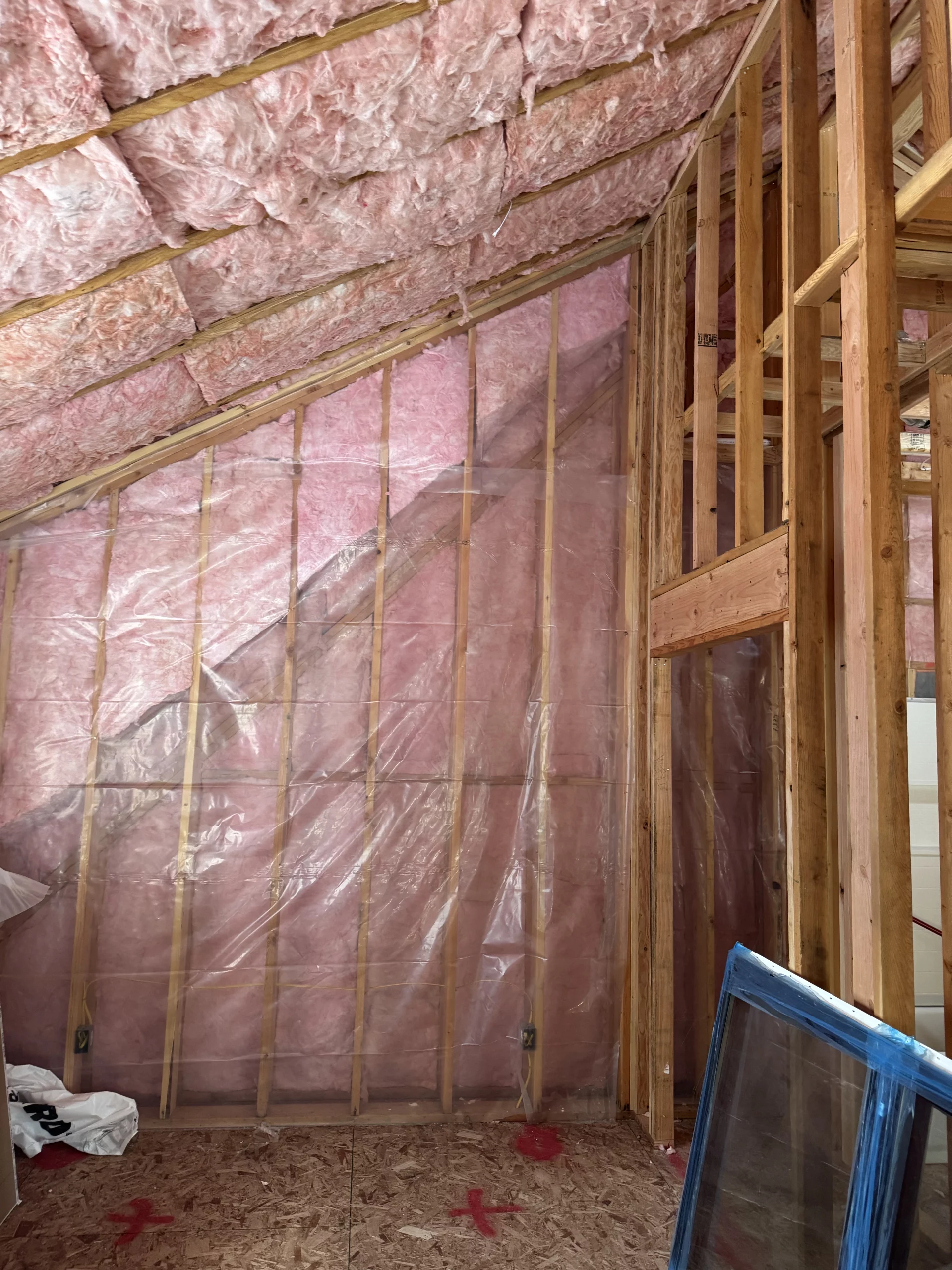
Homes with existing fiberglass or cellulose insulation that has settled, degraded, or was poorly installed stand to benefit the most from a spray foam upgrade
Why Marion’s Climate Makes Insulation Decisions Critical
Marion, located in Flathead County, falls squarely within IECC Climate Zone 6B, classified as cold and dry. This means heating dominates your energy usage for most of the year. According to Montana climate zone data, Zone 6B properties face winter design temperatures as low as -13°F and summer highs around 91°F, creating a temperature swing of roughly 104°F across the year Source: AutoHVAC Montana Climate Zones.
In this climate, the building envelope matters more than almost anywhere else in the lower 48. Heat loss through poorly insulated walls, attics, and crawl spaces translates directly into higher heating bills and uncomfortable living conditions. The 2021 IECC requirements for Climate Zone 6B call for R-49 in ceilings and attics, R-20 in wood-frame walls, and R-30 in floors over unconditioned spaces. Many older homes in the Marion area were built well before these standards existed, leaving homeowners with insulation that falls far short of what the climate demands. Upgrading with modern insulation solutions for energy-efficient homes can significantly close that performance gap.
Spray foam insulation stands apart from traditional options like fiberglass batts or blown cellulose because it simultaneously insulates and air seals. Air leaks account for a significant portion of energy waste in most homes, and spray foam expands to fill gaps, cracks, and voids that other materials simply cannot reach, making spray foam air sealing insulation a superior solution for long-term energy efficiency.
Open-Cell vs. Closed-Cell: Which Type Fits Your Property
The decision between open-cell and closed-cell spray foam is one of the most important choices you will make. These two products perform differently and serve different purposes.
Open-Cell Spray Foam
Open-cell spray foam is lighter, less dense, and more flexible. It expands significantly during application, filling cavities thoroughly. Its R-value ranges from 3.5 to 3.8 per inch, which is comparable to or slightly better than traditional fiberglass. Open-cell foam is permeable to moisture vapor, meaning it allows the wall assembly to dry if moisture gets in. It also provides excellent sound dampening, making it a strong option for interior partition walls and bonus rooms.
The main limitation of open-cell foam is its lower R-value per inch and its inability to act as a vapor barrier. In a Climate Zone 6B environment, this means you may need greater thickness to meet code requirements, and it is not the right choice for areas where moisture intrusion is a concern, such as crawl spaces or basements.
Closed-Cell Spray Foam
Closed-cell spray foam is denser, rigid, and delivers R-6 to R-7 per inch. Beyond its thermal performance, it creates an effective moisture barrier and adds structural rigidity to the wall assembly. These qualities make closed-cell foam the preferred choice for basements, crawl spaces, rim joists, and exterior-facing walls in cold climates.
The trade-off is cost. Closed-cell foam is typically two to three times more expensive per square foot than open-cell. For homeowners in Marion working with a limited budget, a common strategy is to use closed-cell foam in moisture-critical areas like the crawl space and rim joist, then apply open-cell foam in the attic and interior walls.
Feature
Open-Cell
Closed-Cell
R-Value per Inch
3.5 to 3.8
6.0 to 7.0
Moisture Barrier
No
Yes
Sound Dampening
Excellent
Moderate
Structural Reinforcement
Minimal
Significant
Cost per Sq Ft (approx.)
Lower
Higher
Best Application Areas
Attics, interior walls
Crawl spaces, basements, rim joists
What to Expect for Energy Savings
The energy savings potential for spray foam insulation in Marion is substantial, largely because of the heating-dominated climate. The EPA’s ENERGY STAR program estimates that homeowners can save an average of 15% on heating and cooling costs, or 11% on total energy costs, by properly air sealing and adding insulation Source: ENERGY STAR Methodology for Estimated Energy Savings.
Those national averages actually understate the benefit for homes in Climate Zone 6. According to ENERGY STAR’s zone-by-zone data, properties in Climate Zone 6 can expect approximately 14% savings on total utility bills and 18% savings on heating and cooling specifically. In a place like Marion, where heating runs for six or more months per year, that heating-specific savings has a direct impact on annual energy expenses.
Homes that replace degraded or absent insulation with spray foam often report even higher savings, particularly if the existing insulation had settled over time, leaving gaps at the top of wall cavities or thinning in attic floors. A comprehensive insulation upgrade combined with proper air sealing addresses both conductive heat loss and convective air leakage, which together represent the largest sources of energy waste in most residences.
Cost Considerations for Marion Homeowners
Spray foam insulation represents a significant upfront investment, and understanding the cost structure helps you plan accordingly. Nationally, spray foam installation typically ranges from $2.75 to $7.50 per square foot depending on the type of foam, the thickness applied, and the complexity of the space Source: Homewyse Spray Foam Insulation Cost Guide. For a typical 1,500 square foot home in Marion, a whole-house spray foam project could fall between $4,000 and $10,000 or more, depending on scope.
Several factors influence your final cost:
Foam type: Closed-cell costs more per square foot than open-cell
Application area: Attics are straightforward, while crawl spaces and rim joists require more labor
Thickness: Achieving R-49 in an attic requires more material than reaching R-20 in a wall
Existing conditions: Removal of old insulation adds labor and disposal costs
Accessibility: Tight crawl spaces or complex framing configurations increase labor time
The payback period varies, but in Climate Zone 6B with high heating costs, many homeowners recover their investment within 5 to 10 years through reduced utility bills. Spray foam also adds to the resale value of the home, as energy efficiency is an increasingly important factor for buyers in Montana’s real estate market.
Safety and Installation: What You Need to Know
Spray foam insulation is safe once properly installed and fully cured, but the installation process requires careful attention to safety protocols. The EPA has published detailed guidance on potential chemical exposures from spray polyurethane foam, noting that vapors and aerosols generated during application can contain isocyanates and other chemicals that require protective equipment Source: EPA Potential Chemical Exposures from Spray Polyurethane Foam.
Key safety considerations include:
Re-entry timing: Most manufacturers recommend waiting at least 24 hours after application before re-entering the home without protective equipment
Ventilation: Proper ventilation during and after installation is essential to clear chemical vapors
Curing conditions: Temperature and humidity affect curing rates, and Montana’s cold winters can slow the process
Professional installation only: Spray foam should never be applied as a DIY project due to the specialized equipment and safety requirements
Post-installation testing: If you experience persistent odors or health symptoms, the EPA recommends working with an independent indoor air quality consultant
Once fully cured, spray foam is considered relatively inert and poses no ongoing health risks under normal conditions. The EPA notes that long-term concerns are primarily related to situations where the cured foam is disturbed by hot work such as welding or grinding during future renovations Source: EPA Potential Chemical Exposures from Spray Polyurethane Foam.
Signs Your Property Would Benefit from Spray Foam
Not every home in Marion needs spray foam insulation, but certain conditions make it a particularly strong candidate. Consider upgrading if your property shows any of these indicators:
Drafty rooms or cold spots despite the heating system running constantly
Visible gaps, cracks, or settling in existing fiberglass insulation
High winter energy bills that seem disproportionate to the home’s size
Moisture issues in the crawl space or basement
Ice dams forming along the roof edge in winter, which indicates attic heat loss
The home was built before 1990 and has not had an insulation update
You are planning to replace your HVAC system and want to right-size the new equipment
Recommendations by Property Type
Property Type
Recommended Approach
Key Notes
Older Homes (pre-1990)
Full assessment with closed-cell in crawl space/basement, open-cell in attic
Existing insulation is likely degraded; air sealing alone provides major improvement
New Construction
Closed-cell in basements and rim joists, open-cell or hybrid in walls and attic
Maximizes energy efficiency from the start; easiest time to install
Cabin or Second Home
Closed-cell in crawl space and rim joist
Crawl space moisture control prevents structural damage during long vacancy periods
Remodel / Addition
Match foam type to existing insulation strategy
Focus on air sealing the connection between old and new construction
Signs You’ve Found the Right Insulation Contractor
Choosing the right installer is just as important as choosing the right product. A qualified spray foam contractor in the Marion area should demonstrate several qualities:
Code knowledge: Familiarity with Montana’s IECC Climate Zone 6B requirements and blower door testing standards for airtightness
Clear communication: Willingness to explain the differences between open-cell and closed-cell, and to recommend the right product for each area of your home rather than pushing the most expensive option
Detailed proposals: Itemized quotes that break down material costs, labor, preparation work, and any removal of existing insulation
Safety protocols: A clear plan for occupant protection during installation, including re-entry timelines and ventilation procedures
Warranty and documentation: Willingness to provide manufacturer warranties on the foam product and their own workmanship guarantee
References: Verifiable history of completed projects in the Marion and broader Flathead County area
Ready to Upgrade Your Marion Property’s Insulation?
Wegner Insulation has the experience and local knowledge to help Marion homeowners make the right insulation decisions for their properties. Our team understands Montana’s demanding climate zones and knows how to apply spray foam effectively in the specific conditions found in northwestern Montana homes. Whether you need closed-cell foam for a moisture-prone crawl space or open-cell coverage for a drafty attic, we will evaluate your property and recommend the approach that fits your home and your budget.
Call us at (406) 654-4636 or email anthony@wegnerinsulation.com to get started. We take the time to assess your property thoroughly so you can make an informed decision and enjoy lasting comfort and energy savings.
FAQs
How does spray foam compare to fiberglass insulation in a cold climate like Marion’s?
Spray foam provides higher R-value per inch and creates an airtight seal that fiberglass cannot match. In Climate Zone 6B where heating costs dominate, this combination of thermal resistance and air sealing delivers noticeably better performance than standard fiberglass batts.
Can spray foam be installed during Marion’s cold winter months?
Installation is possible in cold weather, but temperature and humidity affect curing rates. Many contractors prefer to schedule spray foam work during milder months to ensure proper curing and adhesion.
How long does spray foam insulation last?
When properly installed, spray foam insulation is a permanent upgrade that does not settle, sag, or degrade over time. Unlike fiberglass or cellulose, it maintains its R-value and air sealing properties for the life of the home.
Will adding spray foam insulation mean I need a smaller heating system?
In some cases, yes. A well-insulated and air-sealed home has lower heating and cooling loads, which may allow for a smaller, more efficient HVAC system. A load calculation should be performed before replacing equipment.
Does spray foam insulation require any maintenance after installation?
No. Once cured, spray foam requires no ongoing maintenance. The only consideration is that future renovation work involving hot processes like welding should not be performed directly on or near the foam without proper precautions.
Sources
ENERGY STAR – Methodology for Estimated Energy Savings – EPA estimates for energy savings from air sealing and insulation, including zone-by-zone data showing 14% total house savings and 18% heating/cooling savings for Climate Zone 6.
AutoHVAC – Montana Climate Zones 5B, 6B, and 7 – Detailed Montana climate zone data including IECC 2021 insulation R-value requirements for Climate Zone 6B, design temperatures, and zone-by-county classification.
Homewyse – Spray Foam Insulation Cost Guide – Vendor-neutral cost estimates for spray foam insulation installation updated for 2026, including material and labor cost breakdowns.
NCAT – Residential Energy Code Handbook – National Center for Appropriate Technology’s guide to Montana residential energy code compliance, covering insulation requirements and blower door testing standards for Climate Zone 6.
Blown-in fiberglass insulation loses effectiveness over time primarily because gravity, moisture, and convective air movement within the material cause it…