How Residential Spray Foam Insulation Improves Energy Efficiency in Kalispell?
admin-wegnerinsulation
April 27th, 2026
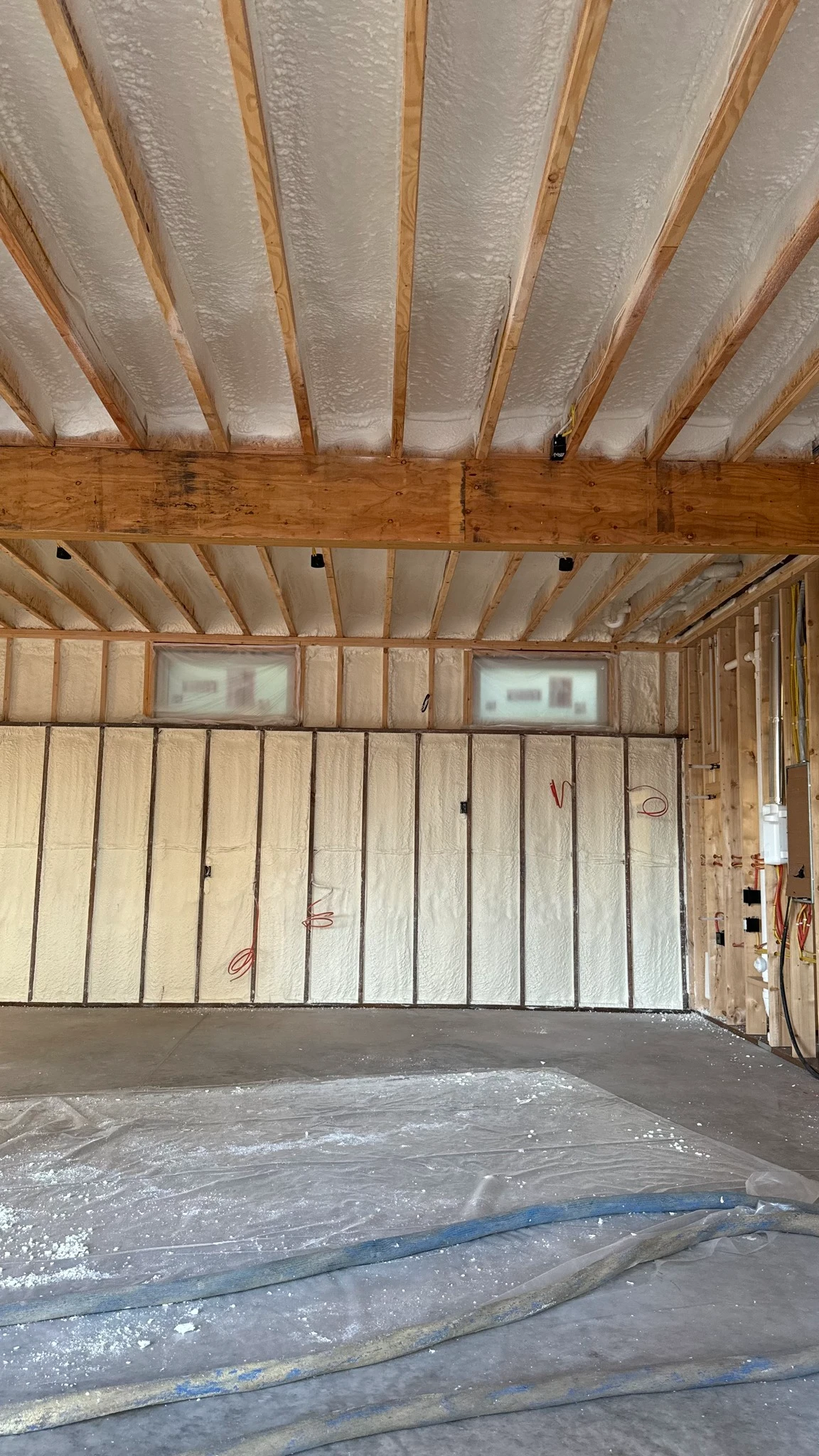
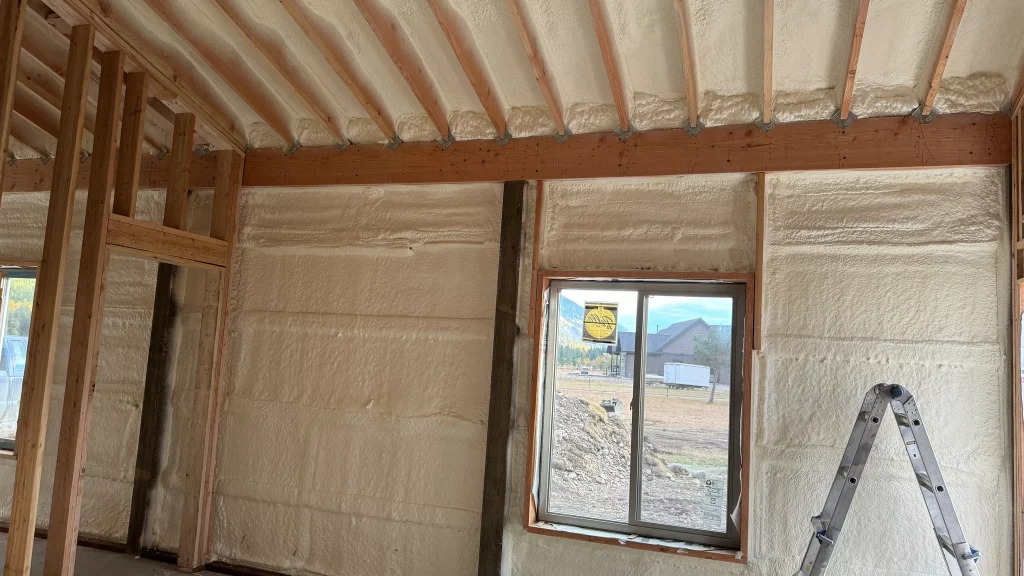
Residential spray foam insulation improves energy efficiency in Kalispell homes by creating an airtight thermal barrier that addresses the specific challenges of Climate Zone 6, where winters bring subzero temperatures and heating demands dominate household energy use. With Kalispell experiencing between 7,200 and 9,000 heating degree days annually and temperatures ranging from 17°F to 84°F throughout the year, the right insulation strategy makes a measurable difference in comfort and monthly utility costs. Spray foam delivers higher R-values per inch than traditional materials like fiberglass and cellulose, while simultaneously sealing air leaks that account for significant energy loss in older homes. The EPA estimates that homeowners can save an average of 15% on heating and cooling costs through air sealing and added insulation, with savings running even higher in northern climates like ours. To fully understand how this system integrates with broader home performance upgrades, explore residential spray foam insulation solutions that align with long-term energy efficiency goals.
TLDR / Key Takeaways
Kalispell sits in IECC Climate Zone 6B (cold and dry), requiring minimum R-49 ceiling insulation, R-21 wall insulation, and R-30 floor insulation per the Montana building code
Closed-cell spray foam delivers R-6.0 to R-6.5 per inch, while open-cell spray foam provides R-3.5 to R-3.7 per inch, both outperforming fiberglass (R-2.9 to R-3.8 per inch) in thermal resistance
Spray foam creates an airtight seal that eliminates drafts and air infiltration, which are among the largest sources of energy waste in residential buildings
Homes in Climate Zone 6 can expect approximately 14% savings on total energy bills and 18% on heating and cooling costs from proper insulation and air sealing
Closed-cell spray foam doubles as a vapor barrier, controlling moisture infiltration that can cause mold, rot, and structural damage in cold climates
Spray foam allows for smaller HVAC equipment sizing, reducing upfront system costs and long-term operating expenses by as much as 35%
The investment pays for itself over time through reduced energy bills, improved comfort, and protection against moisture-related damage
Why Kalispell’s Climate Demands Better Insulation
Kalispell falls within IECC Climate Zone 6B, a classification the International Energy Conservation Code assigns to regions experiencing between 7,200 and 9,000 heating degree days per year on a 65°F basis. Montana is fully covered by Zone 6, with the “B” designation indicating a dry climate profile. This matters because heating degree days directly correlate with how hard your heating system works and how much energy your home loses through its building envelope.
Kalispell’s temperature swings are substantial. Average lows dip to around 17°F in January, with winter temperatures routinely falling below zero. Summer highs reach into the mid-80s, creating a roughly 67-degree seasonal temperature range. These extremes mean your home’s insulation must perform well in both directions, resisting heat loss in winter and heat gain during summer. This is where year-round thermal performance insulation in Kalispell homes becomes critical to maintaining consistent indoor comfort.
Montana’s building code reflects these demands. According to the Montana Residential Energy Code Summary, prescriptive requirements for Climate Zone 6 include R-21 for wood frame walls, R-49 for ceilings, R-30 for basement walls, and R-19 for floors. These are minimum standards, and many building science professionals recommend exceeding them for optimal performance and long-term comfort.
How Spray Foam Outperforms Traditional Insulation
The primary advantage of spray foam comes down to two factors working together: higher R-value per inch and airtight sealing capability. According to the U.S. Department of Energy, R-value measures a material’s resistance to conductive heat flow, and higher R-values mean better insulating performance. Spray foam expands on application to fill gaps, cracks, and voids that other insulation types cannot reach, creating a continuous thermal barrier.
R-Value Comparison Across Insulation Types
Insulation Material
R-Value Per Inch
Air Sealing Capability
Vapor Barrier
Best Application
Closed-cell spray foam
R-6.0 to R-6.5
Excellent (air impermeable)
Yes (Class II)
Walls, crawlspaces, rim joists
Open-cell spray foam
R-3.5 to R-3.7
Good (air impermeable)
No
Attics, wall cavities, sound control
Fiberglass batts
R-2.9 to R-3.8
Poor (air permeable)
No
Standard wall cavities
Blown-in fiberglass
R-2.2 to R-2.9
Poor (air permeable)
No
Attics, existing wall cavities
Cellulose (loose-fill)
R-3.1 to R-3.8
Moderate (settles over time)
No
Attics, existing walls
A standard 2×4 wall cavity with 3.5 inches of fiberglass batt insulation achieves roughly R-13. The same cavity filled with closed-cell spray foam reaches approximately R-21, meeting Montana’s wall insulation requirement without any additional continuous insulation. In a 2×6 wall with 5.5 inches of closed-cell spray foam, you can achieve R-33 or more.
The Air Sealing Advantage
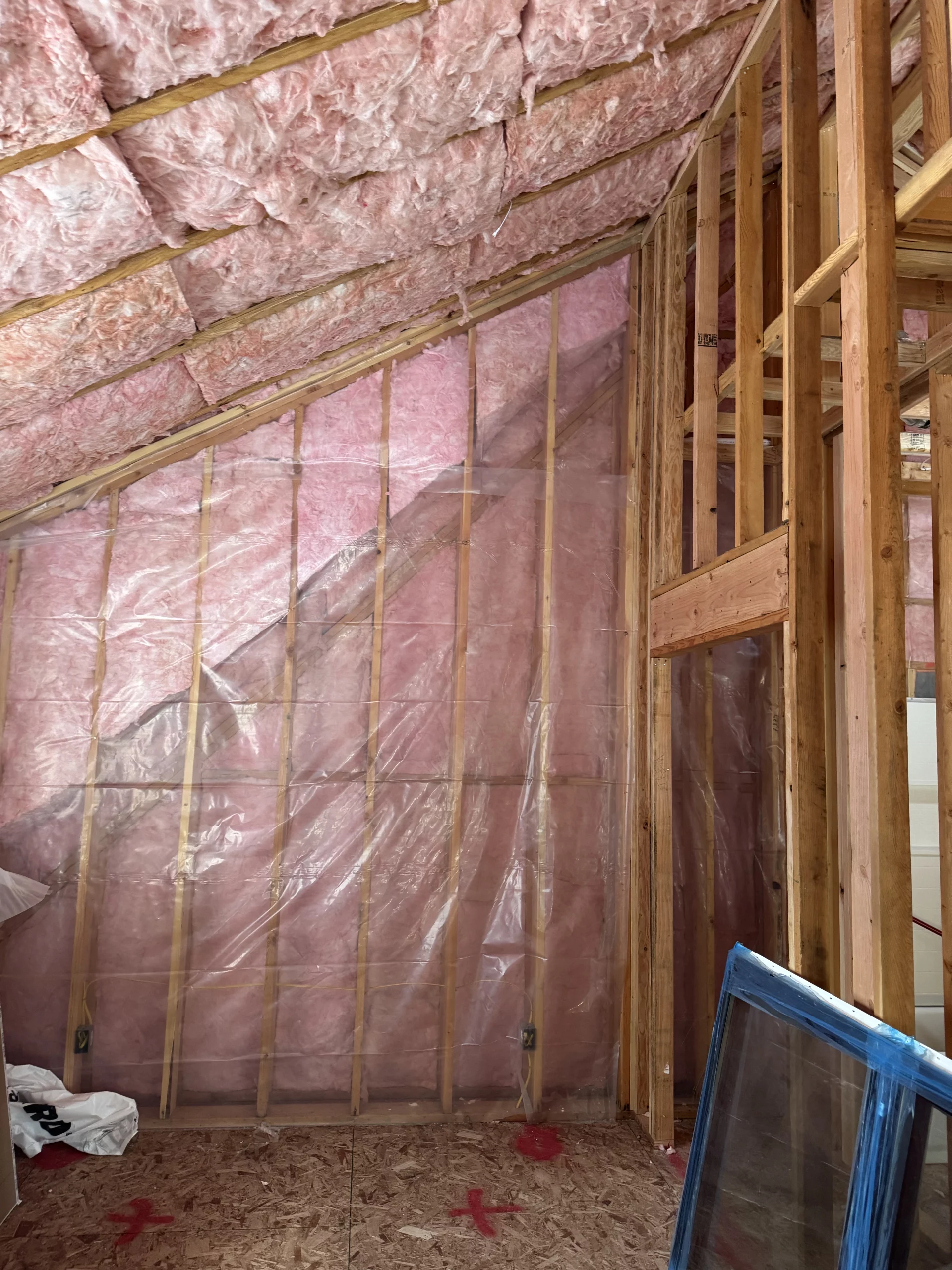
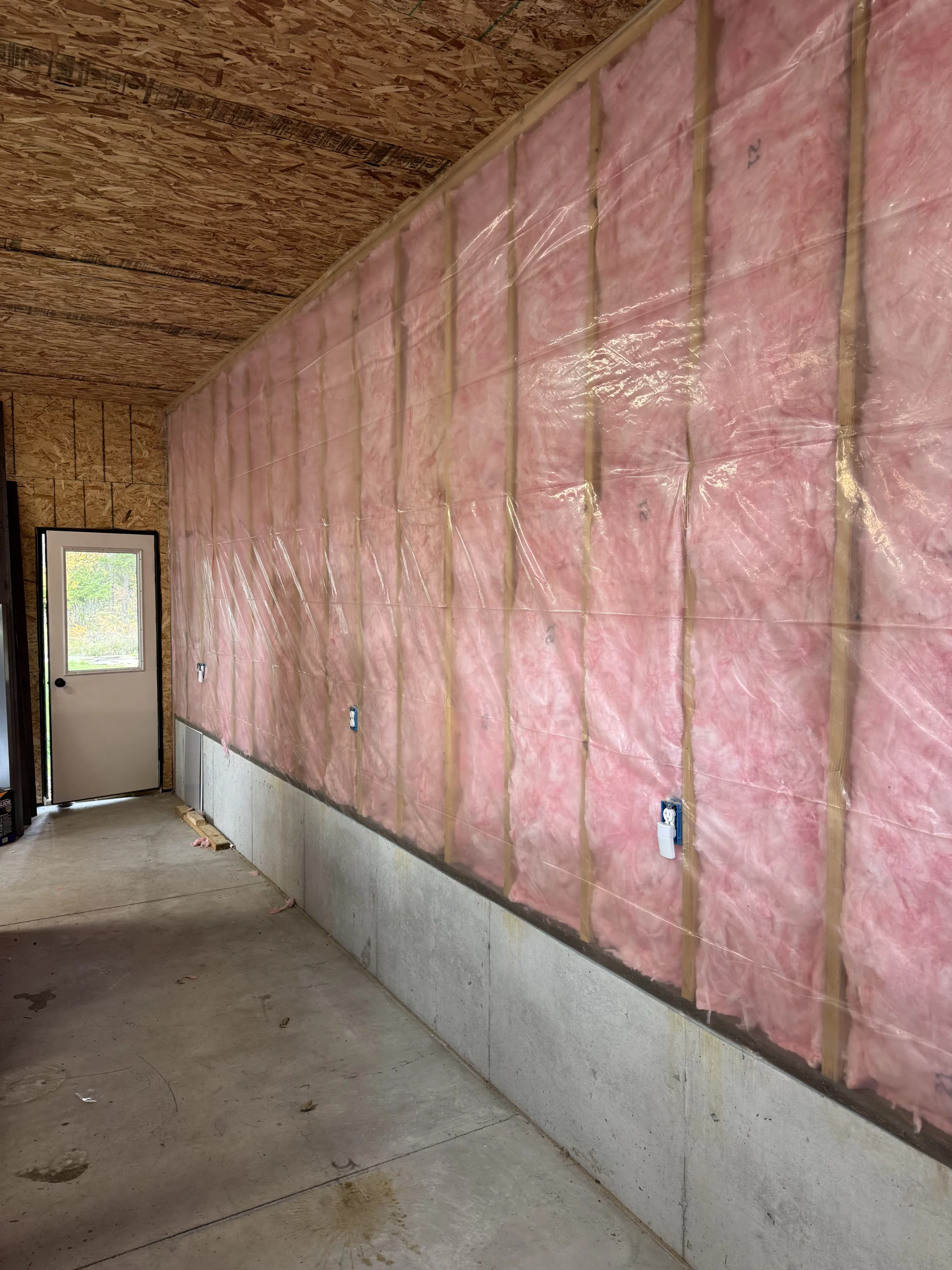
R-value alone does not tell the full story of insulation performance. Air leakage through gaps, cracks, and penetrations in the building envelope accounts for a significant portion of energy loss in most homes. Traditional batt insulation does little to stop air movement through the wall cavity. Air simply passes around and through fiberglass, carrying heated or cooled air out of your home.
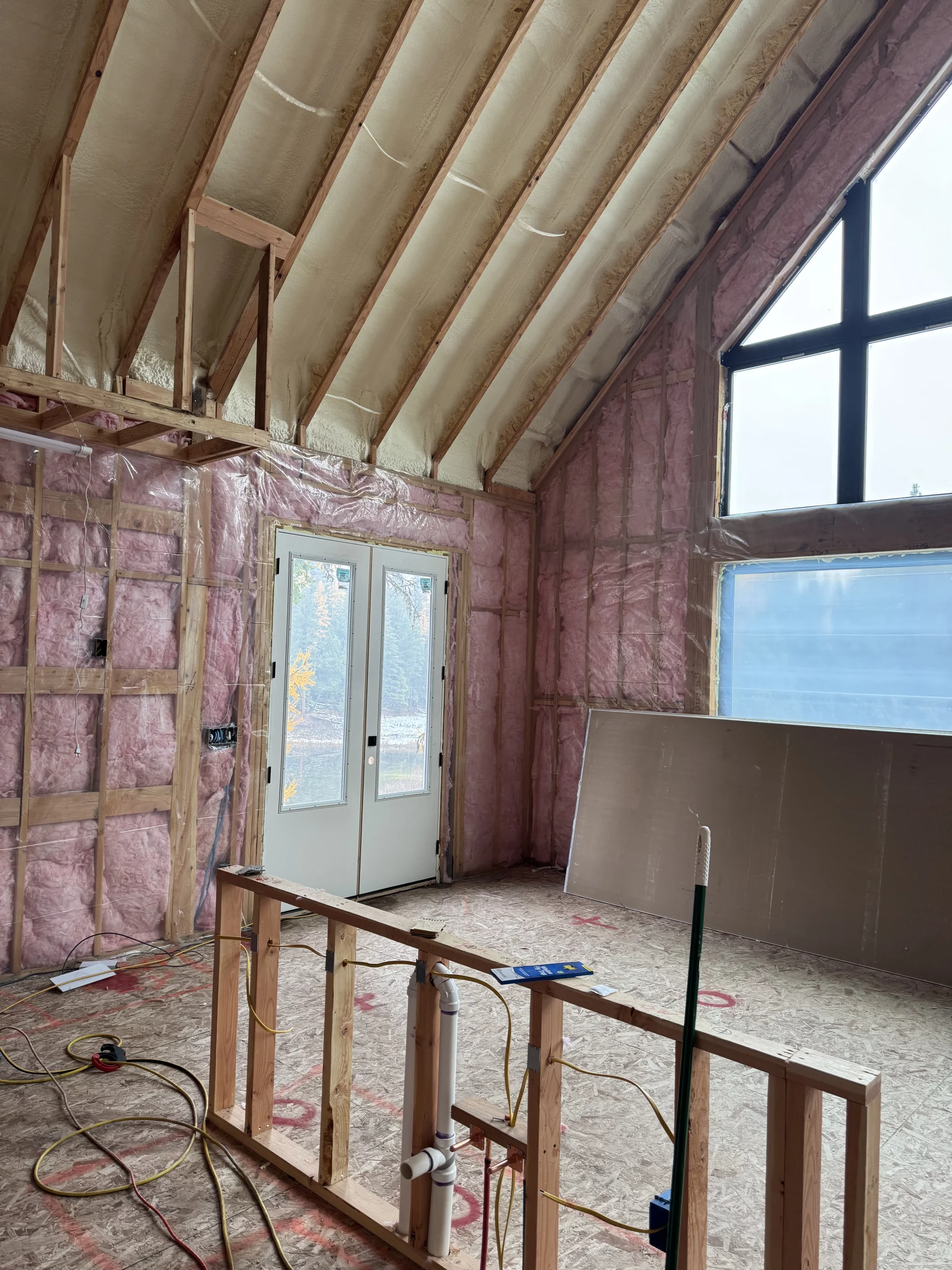
Spray foam insulation expands to fill every crack, crevice, and penetration point where air could escape. This includes around electrical boxes, plumbing penetrations, window and door framing, and along top plates and rim joists. By creating a continuous air barrier, spray foam addresses the convective heat flow that traditional insulation materials leave unchecked.
The ENERGY STAR methodology for energy savings shows that in Climate Zone 6, homeowners who combine air sealing with insulation upgrades can expect approximately 14% savings on total household energy bills and 18% savings on heating and cooling costs specifically. These figures represent averages across typical U.S. homes, and homes with older, poorly insulated envelopes often see even larger improvements.
Moisture Control in a Cold, Dry Climate
While Kalispell is classified as a dry climate (Zone 6B), moisture management remains a serious concern. Warm indoor air holds more moisture than cold outdoor air, and during winter, that moisture wants to migrate outward through your walls toward the colder exterior. If this vapor encounters a cold surface within the wall cavity, condensation forms, creating conditions for mold growth and wood rot.
Closed-cell spray foam applied at 1.5 inches or greater thickness acts as a vapor retarder, slowing the movement of moisture through the wall assembly. This is particularly valuable in crawlspaces, basements, and rim joist areas where moisture infiltration from the ground is common. The Cold Climate Housing Research Center has conducted extensive studies on wall moisture behavior in cold climates and found that improper moisture management in insulated wall assemblies can lead to significant durability problems over time, even in relatively dry regions.
In climates like ours, the combination of thermal insulation, air sealing, and vapor control in a single material makes closed-cell spray foam especially effective. It keeps the wall cavity warm enough to prevent condensation while blocking the air and moisture pathways that lead to water accumulation.
Closed-Cell vs. Open-Cell: Which Works Better in Kalispell?
The choice between closed-cell and open-cell spray foam depends on where you are insulating and what you need the insulation to accomplish. Both have legitimate applications in Kalispell homes.
Closed-cell spray foam is denser, rigid, and offers a higher R-value per inch, along with vapor barrier properties. It adds structural strength to wall assemblies and resists moisture. These characteristics make it the preferred choice for:
Open-cell spray foam is lighter, less expensive, and provides good sound-dampening qualities. While it does not serve as a vapor barrier, it still creates an effective air seal. It works well in:
Interior wall cavities where a vapor barrier is managed separately
Attic applications (sprayed to the roof deck in unvented attic assemblies)
Sound control between rooms and floors
Large, open cavities where cost is a primary concern
For Kalispell homeowners focused primarily on energy efficiency, closed-cell spray foam in basements, crawlspaces, and rim joists combined with open-cell or another insulation type in above-grade wall cavities often delivers the best balance of performance and value.
Where Spray Foam Makes the Biggest Impact in Your Home
Not all areas of your home lose energy equally. Prioritizing the right locations for spray foam insulation maximizes your return on investment.
Rim joists and band joists are among the most energy-vulnerable areas in any home. These transition points between the foundation and above-grade framing are notoriously difficult to insulate with traditional materials, yet they represent a major source of air leakage and heat loss. Spray foam fills the irregular cavities perfectly and creates a durable seal.
Crawlspaces and basements in Kalispell homes benefit significantly from closed-cell spray foam applied to the rim joist and, where appropriate, to foundation walls. The Montana Residential Energy Code Handbook specifies minimum insulation requirements for these areas, and spray foam is one of the most effective ways to meet and exceed those standards while also addressing air sealing and moisture control.
Attic spaces represent the single largest opportunity for energy savings in most homes. Heat rises, and an under-insulated attic allows expensive heated air to escape through your roof. Spray foam applied to the attic floor or, in unvented attic designs, to the roof deck, creates an effective thermal barrier that dramatically reduces this loss.
What to Expect for Energy Savings
The actual savings from spray foam insulation depend on several factors: the age and condition of your home, existing insulation levels, the scope of the project, and your heating fuel type. However, we can use established benchmarks to set realistic expectations.
The Insulation Institute’s Montana energy code summary outlines the minimum prescriptive requirements for Climate Zone 6, and homes that currently fall below these standards stand to gain the most from an insulation upgrade. A home built before modern energy codes with little to no wall insulation, inadequate attic insulation, and no air sealing could see heating cost reductions of 20 to 30% or more after a comprehensive spray foam installation.
Beyond monthly energy savings, spray foam insulation contributes to:
Improved indoor comfort by eliminating drafts and cold spots
Reduced HVAC wear because the system cycles less frequently
Better indoor air quality by sealing out dust, pollen, and pollutants
Increased home value through improved energy performance ratings
Noise reduction as spray foam absorbs sound transmission
Signs You Have Found the Right Insulation Contractor
Choosing the right professional to install spray foam insulation is as important as choosing the right product. Spray foam installation requires specialized equipment, training, and attention to detail. A qualified contractor should walk you through the specific R-value targets for each area of your home, explain the differences between open-cell and closed-cell foam, and provide a clear scope of work with expected outcomes. They should discuss how the project addresses air sealing, vapor management, and compliance with Montana building code requirements for Climate Zone 6. Working with experts in spray foam insulation services in Kalispell, MT, ensures the installation meets performance standards and delivers long-term energy efficiency.
Look for contractors who perform a thorough pre-installation assessment, communicate openly about material choices and pricing, and stand behind their work with appropriate warranties. The best installers take the time to understand your home’s specific needs rather than applying a one-size-fits-all approach.
Get a Professional Insulation Assessment
Wegner Insulation provides expert spray foam insulation services for homeowners throughout the Kalispell area. Our team evaluates your home’s specific needs, recommends the right insulation strategy for Climate Zone 6 conditions, and delivers professional installation that meets or exceeds Montana energy code requirements. We understand the demands of Montana winters and how to build an envelope that performs.
How much can spray foam insulation reduce my heating bills in Kalispell?
Most homeowners in Climate Zone 6 see 14 to 18% reductions in heating and cooling costs after upgrading insulation and sealing air leaks, with older, under-insulated homes often seeing savings of 20% or more.
Is closed-cell or open-cell spray foam better for Montana winters?
Closed-cell spray foam is generally preferred for Montana winters due to its higher R-value per inch, vapor barrier properties, and moisture resistance, making it ideal for basements, crawlspaces, and rim joists.
How long does spray foam insulation last?
When properly installed, spray foam insulation lasts the lifetime of your home without settling, degrading, or losing its R-value, unlike fiberglass or cellulose, which can compress or settle over time.
Does spray foam insulation help with summer cooling in Kalispell?
Yes, spray foam resists heat transfer in both directions, keeping hot outdoor air out during summer months and reducing the load on your air conditioning system.
Can spray foam insulation be installed in an existing home?
Spray foam can be retrofitted into existing homes, particularly in attics, crawlspaces, basements, and rim joist areas, though wall cavity applications may require more invasive access depending on your home’s construction.
Sources
U.S. Department of Energy – Insulation – Comprehensive guide on how insulation works, R-values, and recommended insulation levels by climate zone from the federal government’s Energy Saver program.
Blown-in fiberglass insulation loses effectiveness over time primarily because gravity, moisture, and convective air movement within the material cause it…