Batt Insulation vs Spray Foam: Which Is Right for Your Home in Kalispell, MT?
admin-wegnerinsulation
March 31st, 2026
For most Kalispell homeowners, spray foam insulation delivers better long-term value despite its higher upfront cost, thanks to superior air sealing and higher R-values per inch that matter in Montana’s harsh winters. Batt insulation remains the most cost-effective choice for budget-conscious projects, simple retrofits, or accessible areas where air sealing is less critical. Spray foam typically costs $1.50 to $3.00 per square foot installed, while batt insulation runs $0.30 to $1.50 per square foot. In Kalispell’s Climate Zone 6, where winter temperatures regularly drop below zero, spray foam’s air sealing capabilities can reduce heating bills by 20 to 50 percent compared to batt insulation alone. The right choice depends on your budget, timeline, project scope, and how long you plan to stay in your home.
TLDR / Key Takeaways
Spray foam costs 2 to 5 times more upfront than batt insulation but delivers R-6.0 to R-7.0 per inch versus R-3.0 to R-4.0 per inch for fiberglass batts
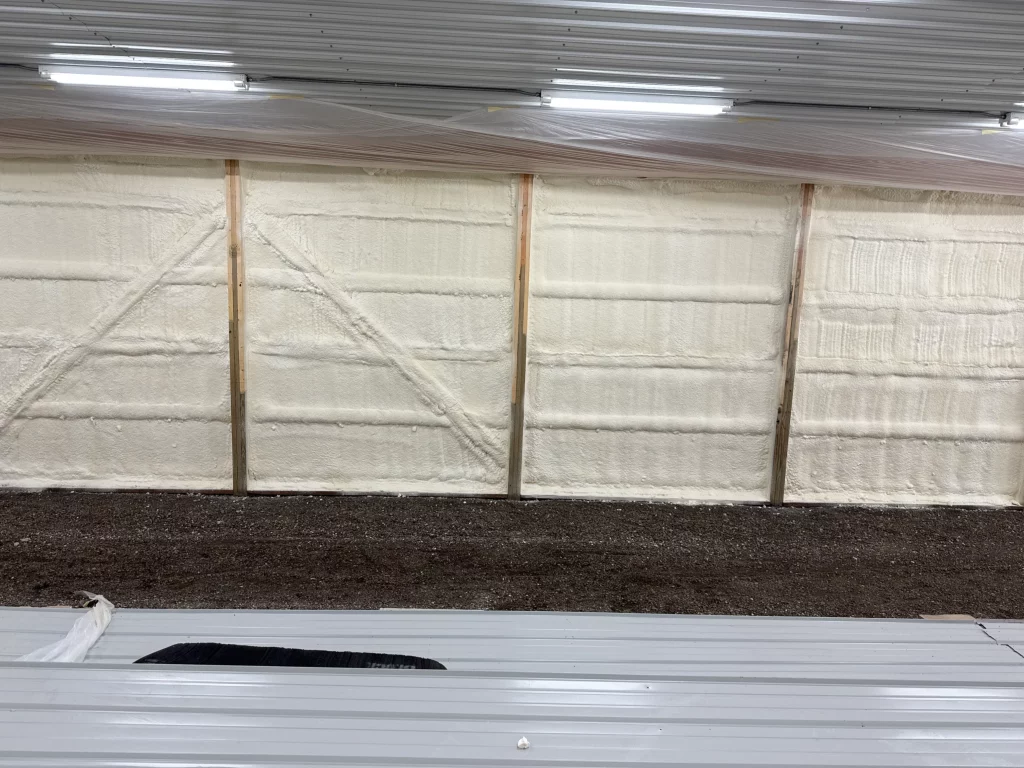
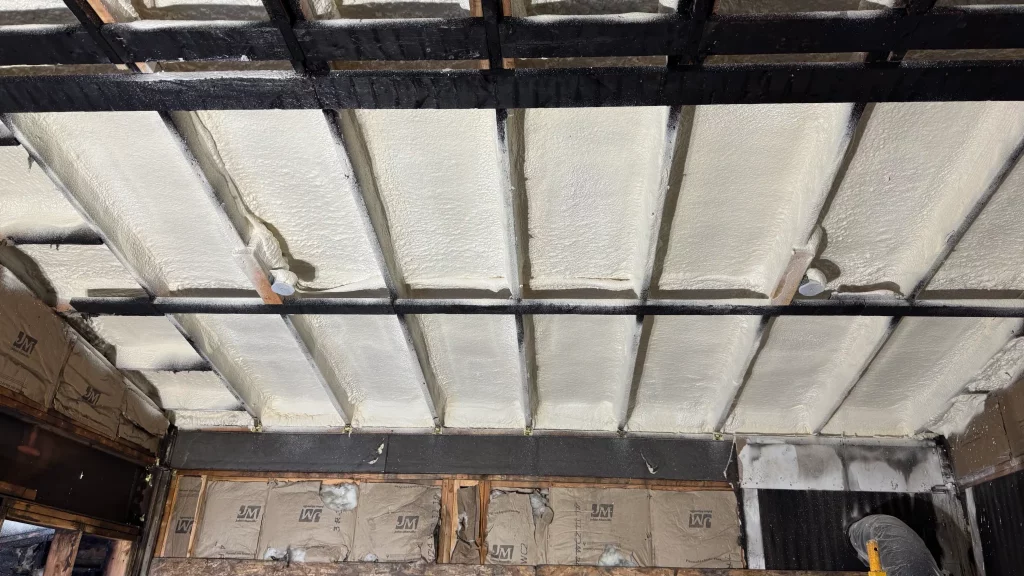
Closed-cell spray foam provides both insulation and air sealing in one step, eliminating the need for separate air barrier materials
Montana energy code requires R-49 to R-60 for attics and R-20 to R-25 for walls in Climate Zone 6, which spray foam achieves in less space
Batt insulation works well for DIY projects, simple cavity fills, and budgets under $2,000 for average homes
Spray foam reduces heating and cooling costs by 20 to 50 percent in cold climates like Kalispell compared to fiberglass alone
Professional installation is required for spray foam, while batt insulation can be installed by experienced DIYers
Spray foam’s lifespan exceeds 80 years with minimal degradation, while batt insulation may settle 1 to 3 percent per year
For Kalispell homes built before 1990, spray foam addresses air leakage issues that batt insulation cannot seal
How Batt Insulation Works
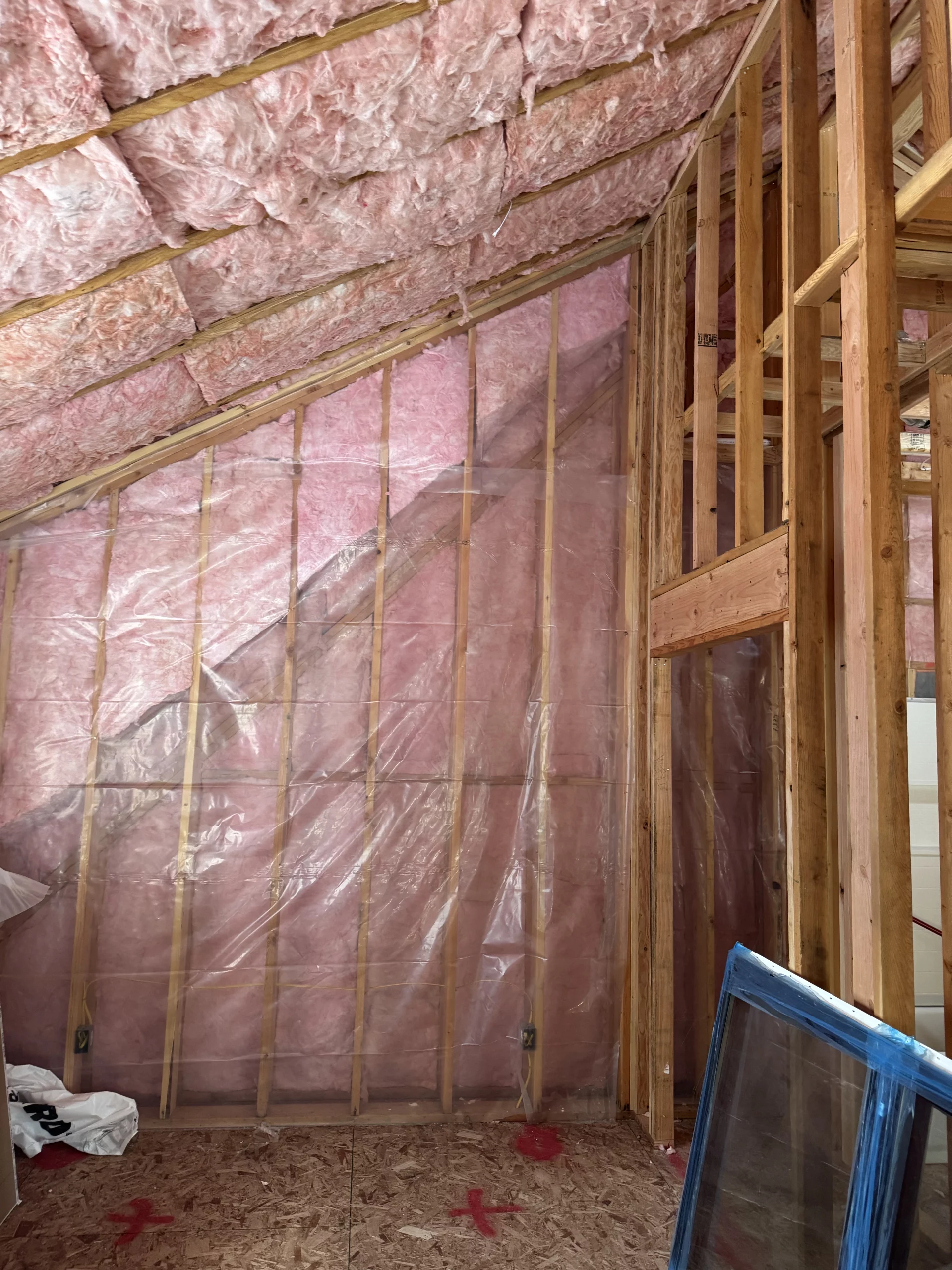
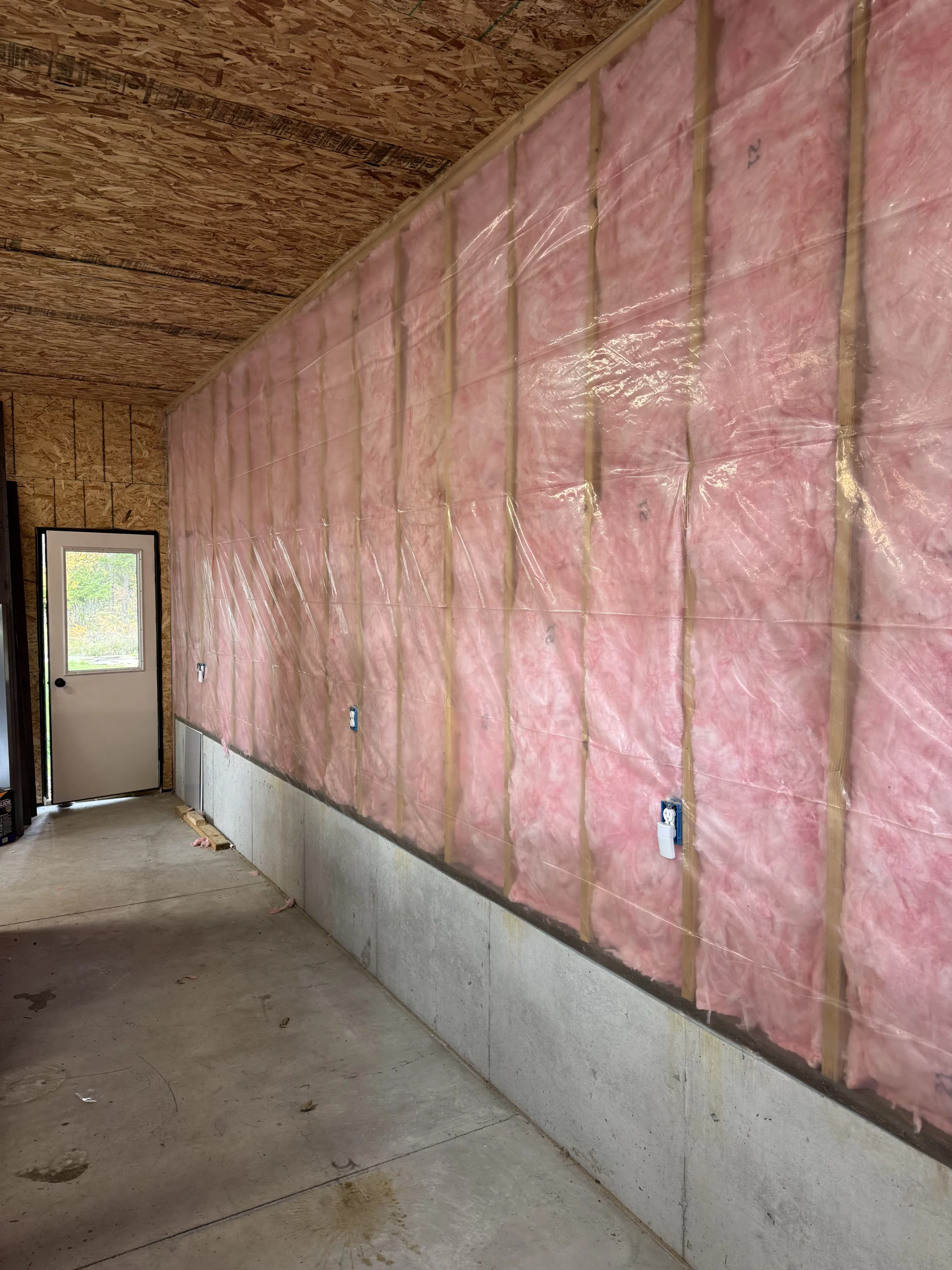
Batt insulation consists of pre-cut blankets made from fiberglass, mineral wool, or cotton that fit between wall studs, floor joists, and ceiling rafters. The material traps air pockets within its fibers, slowing heat transfer through conduction and convection. Standard fiberglass batts deliver R-3.0 to R-4.0 per inch of thickness, meaning a 6-inch batt provides approximately R-19.
Installation involves cutting batts to fit cavities and securing them in place without gaps or compression. Gaps as small as 4 percent of the insulated area can reduce overall performance by up to 30 percent. Batt insulation requires separate air sealing measures, such as caulk, spray foam, or house wrap, to prevent drafts and moisture infiltration.
In Kalispell’s cold climate, properly installed batt insulation meets code requirements when combined with continuous exterior insulation or when installed at greater thicknesses. However, thermal bridging through wall studs reduces the effective R-value by 15 to 25 percent compared to the rated performance.
How Spray Foam Insulation Works
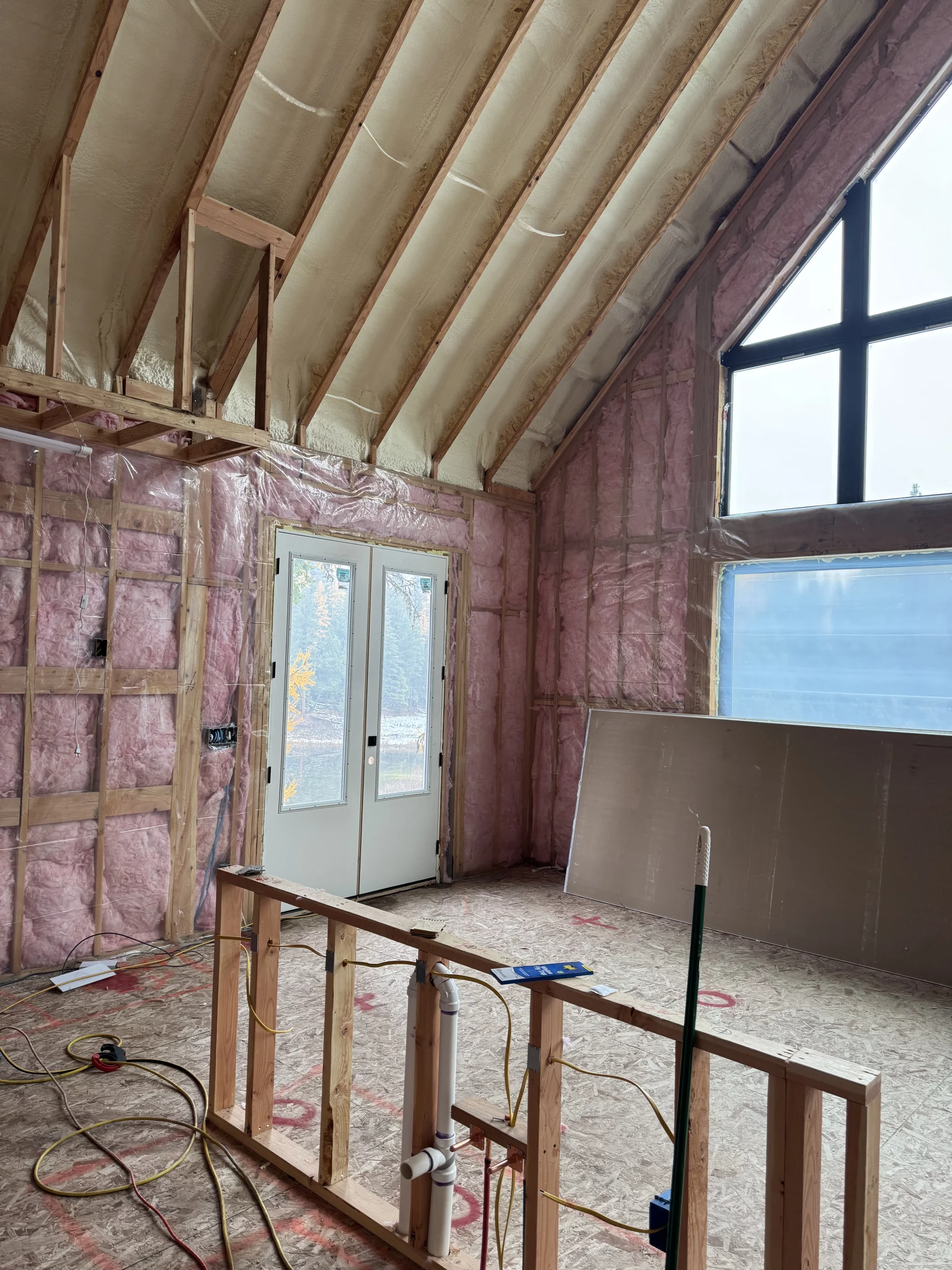
Spray foam insulation expands on application, filling cavities completely and creating an airtight seal. Two types exist: open-cell and closed-cell spray foam. Open-cell spray foam delivers R-3.5 to R-3.8 per inch and remains flexible, making it suitable for interior walls and sound dampening. Closed-cell spray foam provides R-6.0 to R-7.0 per inch, adds structural strength, and acts as a vapor retarder.
According to the Montana Department of Environmental Quality, Climate Zone 6 requires R-49 to R-60 ceiling insulation and R-20 to R-25 wall insulation for new construction. Closed-cell spray foam achieves these ratings in half the space required by batt insulation, making it ideal for tight spaces like cathedral ceilings or rim joists.
Spray foam requires professional installation using specialized equipment and protective gear. The chemical reaction produces heat and off-gassing during cure, requiring ventilation and temporary occupancy restrictions. Once cured, spray foam is inert and safe for occupants.
Cost Comparison: Batt vs Spray Foam in Kalispell
Cost Factor
Batt Insulation
Spray Foam (Closed-Cell)
Material cost per sq ft
$0.25 to $0.80
$1.00 to $2.00
Installation cost per sq ft
$0.05 to $0.70
$0.50 to $1.00
Total installed cost per sq ft
$0.30 to $1.50
$1.50 to $3.00
1,500 sq ft attic cost
$450 to $2,250
$2,250 to $4,500
Air sealing required
Yes, separate cost
Included
Professional installation required
No
Yes
Typical payback period
Immediate savings
5 to 10 years
Line Graph Suggestion: Total cost of ownership over 20 years comparing batt insulation with separate air sealing versus spray foam, showing crossover point where spray foam becomes more economical due to energy savings.
Performance in Kalispell’s Climate
Kalispell experiences an average of 7,800 heating degree days annually, ranking it among the coldest populated areas in the lower 48 states. Winter temperatures regularly reach minus 20 degrees Fahrenheit, with wind chill factors making effective air sealing critical for comfort and energy efficiency.
SolarTech Online reports that closed-cell spray foam delivers the highest energy efficiency rating among common insulation types, providing R-6.0 to R-7.0 per inch plus complete air and moisture sealing. In cold climate testing, spray foam reduced air leakage by up to 90 percent compared to fiberglass batt installations.
For Kalispell homeowners, this air sealing advantage translates directly to comfort. Drafts from electrical outlets, window frames, and rim joists disappear when spray foam expands to fill these gaps. Batt insulation cannot address these infiltration points without additional sealing measures.
Moisture management presents another critical factor. Spray foam acts as a vapor retarder when applied at sufficient thickness, preventing condensation within wall cavities. This matters in Kalispell, where winter temperature differentials create condensation risks that can lead to mold and structural damage in poorly insulated homes.
When Batt Insulation Makes Sense
Batt insulation works best for homeowners prioritizing upfront cost savings, DIY installation, or projects where walls remain open and accessible. Common applications include:
New construction where framing allows standard batt sizes
Attic floors with sufficient depth for the required R-values
Crawl spaces with adequate access
Budget-conscious whole-house projects
Properties planned for sale within 5 years
Koala Insulation notes that fiberglass insulation ranks among the top choices for cold climate homes due to its affordability and proven track record. When combined with proper air sealing and vapor barriers, batt insulation meets code requirements and performs reliably for decades.
For Kalispell homeowners with existing insulation that needs topping up, adding batts over existing material costs significantly less than removing old insulation and spraying foam. This approach works when existing insulation remains dry and in good condition.
When Spray Foam Makes Sense
Spray foam insulation delivers maximum value in challenging applications where conventional insulation struggles. Ideal scenarios include:
Cathedral ceilings with limited rafter depth
Rim joists and crawl spaces with irregular framing
Older homes with significant air leakage
Basements requiring moisture control
New construction targeting high performance or net-zero energy
Homes with complex geometry or hard-to-reach areas
According to OneClick DIY, spray foam provides superior R-value per inch, air sealing, and moisture resistance, making it a better long-term investment despite higher upfront costs. This advantage grows in cold climates where air leakage accounts for up to 40 percent of heating energy loss.
For Kalispell homes built before modern energy codes, spray foam addresses the compounding problems of inadequate insulation and uncontrolled air leakage in a single application. This whole-house approach often justifies the premium investment.
Real-World Examples for Kalispell Homes
Scenario
Property Type
Recommended Option
Estimated Cost
Payback Period
1950s ranch with drafty floors
1,200 sq ft, pier foundation
Closed-cell spray foam in a floor system
$2,400 to $3,600
4 to 6 years
New custom home
2,500 sq ft, 2-story
Hybrid: spray foam rim joists, batt walls
$4,000 to $6,000
5 to 8 years
Attic upgrade over existing batts
1,500 sq ft attic
Additional blown fiberglass
$800 to $1,500
Immediate
Cathedral ceiling renovation
400 sq ft, 2×8 rafters
Closed-cell spray foam
$1,200 to $2,000
6 to 9 years
Full gut renovation
1,800 sq ft, pre-1970
Spray foam throughout
$8,000 to $15,000
7 to 12 years
Factors That Influence the Decision
Several variables affect which insulation type performs best for your specific situation:
Budget constraints: Batt insulation costs 50 to 70 percent less upfront, making it accessible for tight budgets
Project scope: Partial upgrades favor batts, while comprehensive renovations benefit from spray foam’s whole-house performance
Existing insulation condition: Wet or damaged insulation requires removal before spray foam application
Access to cavities: Open walls allow batt installation; closed walls may require spray foam injection
Moisture concerns: Basements and crawl spaces benefit from spray foam’s vapor barrier properties
HVAC system: Spray foam’s air sealing may require mechanical ventilation upgrades
Longevity plans: Spray foam’s 80-plus year lifespan rewards long-term owners
Resale timeline: Batt insulation recovers costs immediately; spray foam requires 5 to 10 years for payback
Who This Is For
Batt Insulation Is Right For You If:
Your budget ranges from $500 to $2,500 for insulation
You plan to DIY the installation or have remodeling experience
Your project involves standard framing with accessible cavities
You plan to sell within 5 to 7 years
Your existing insulation needs to be topped up rather than replaced
Local building codes allow fiberglass with separate air sealing
Spray Foam Is Right For You If:
You prioritize energy efficiency and comfort over upfront cost
Your home has irregular framing, cathedral ceilings, or tight spaces
You plan to stay in your home for 10 or more years
Air leakage and drafts are significant problems
You want moisture control integrated with insulation
You are building new construction with high-performance goals
Who This Is NOT For
Batt Insulation May Not Work If:
Your home has complex geometry or irregular framing
Air leakage accounts for major comfort complaints
Moisture control is a primary concern in basements or crawl spaces
Limited cavity depth prevents achieving the required R-values
Spray Foam May Not Work If:
Your budget cannot accommodate $2,500 to $15,000 for insulation
You need a quick DIY solution over a weekend
Your home has existing insulation in good condition that would require costly removal
You plan to sell within 3 to 5 years and want immediate cost recovery
Get Expert Insulation Guidance for Your Kalispell Home
Choosing between batt insulation and spray foam requires understanding your home’s specific challenges, your budget timeline, and your long-term plans. Wegner Insulation helps Kalispell homeowners navigate these decisions with honest assessments and customized solutions that fit their situation. We provide free consultations, competitive pricing, and professional installation backed by years of experience serving the Flathead Valley. Contact Anthony at (406) 654-4636 or email anthony@wegnerinsulation.com to schedule your insulation evaluation today.
Frequently Asked Questions
How long does spray foam insulation last compared to batt insulation?
Spray foam insulation lasts 80 to 100 years with minimal degradation, while fiberglass batts typically perform effectively for 20 to 30 years before settling and losing R-value. Batt insulation may settle 1 to 3 percent per year, gradually reducing its effectiveness.
Can I install spray foam insulation myself?
Spray foam requires professional installation using specialized equipment, temperature-controlled chemicals, and protective gear. DIY spray foam kits exist but produce inconsistent results and pose health risks without proper training. Batt insulation remains the only practical DIY option for most homeowners.
Will spray foam insulation save money on my Kalispell energy bills?
Spray foam typically reduces heating and cooling costs by 20 to 50 percent compared to fiberglass batts alone, with the greatest savings in older, leakier homes. In Kalispell’s cold climate, the savings compound over time, with most homeowners recovering their investment within 5 to 10 years.
Does batt insulation require additional air sealing?
Yes, fiberglass batts require separate air sealing using caulk, spray foam, or house wrap to prevent drafts and moisture infiltration. Without proper air sealing, batt insulation loses significant performance, with gaps as small as 4 percent reducing overall R-value by up to 30 percent.
Which insulation type works best for Kalispell basements?
Closed-cell spray foam works best for Kalispell basements because it provides both insulation and moisture control in a single application. The vapor barrier properties prevent condensation and mold growth common in below-grade spaces, while the air sealing eliminates cold drafts that make basements uncomfortable.
Blown-in fiberglass insulation loses effectiveness over time primarily because gravity, moisture, and convective air movement within the material cause it…