Batt Insulation Pricing in Kalispell: How Home Size, Wall Condition, and Labor Impact Your Quote?
admin-wegnerinsulation
April 2nd, 2026
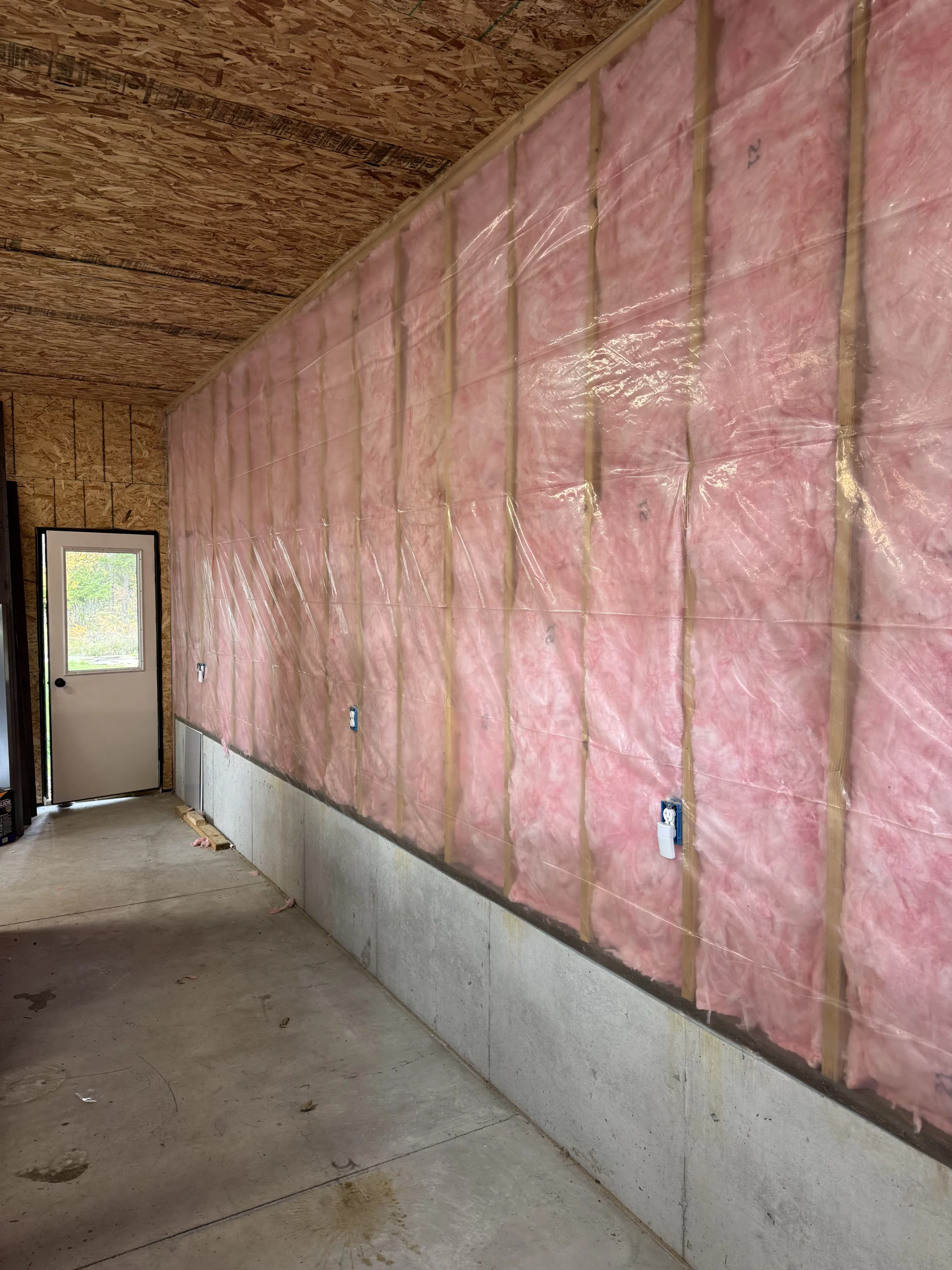
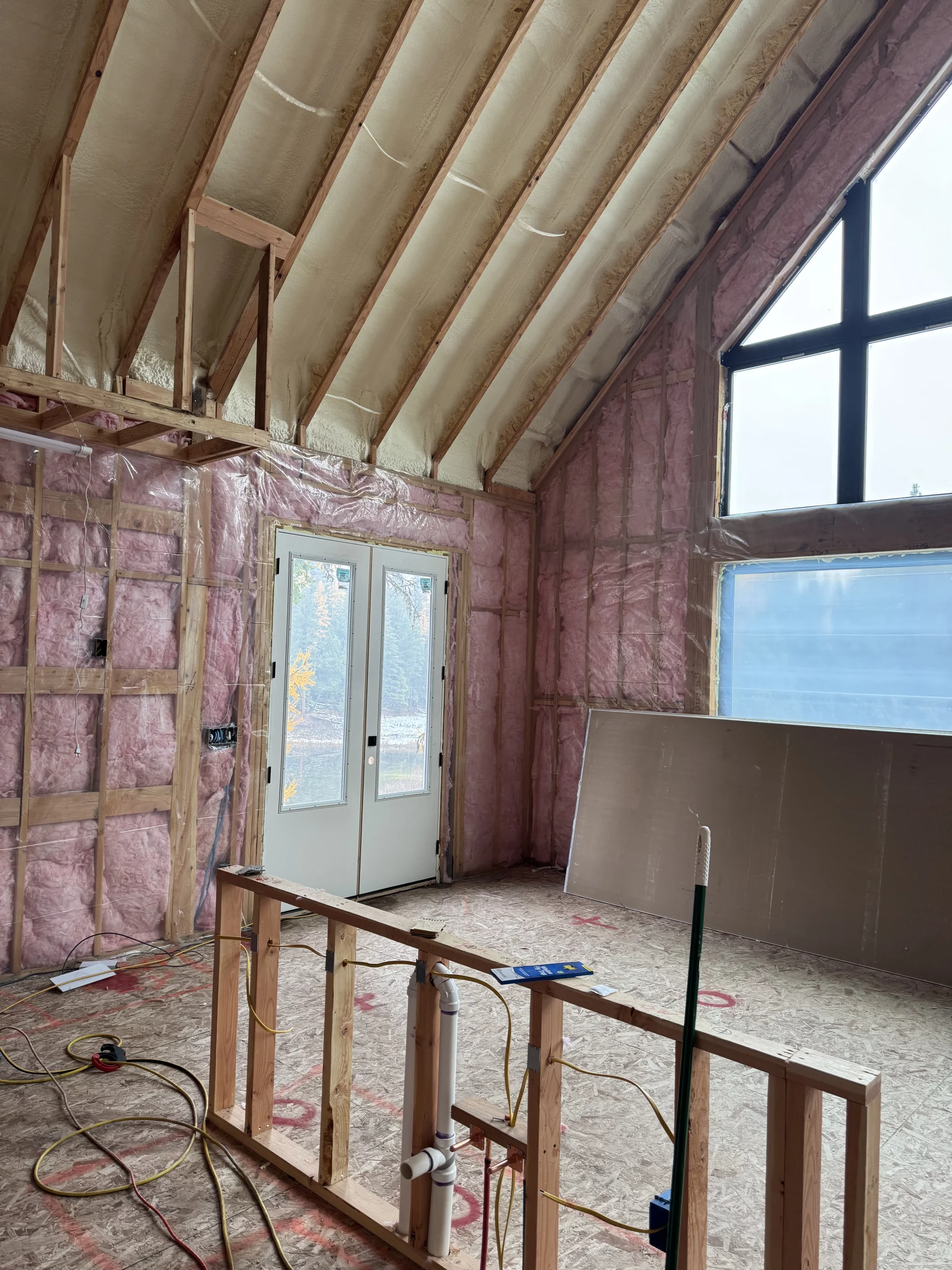
Batt insulation installation in Kalispell, Montana typically costs between $1.65 and $1.95 per square foot installed for R-21 batt, with most homeowners paying $2,000 to $4,500 for a complete project. The final quote depends heavily on three factors: your home’s total square footage, the condition of existing walls and cavities, and local labor rates in the Flathead Valley. For a standard 1,500-square-foot home in Kalispell or in nearby communities like Evergreen, MT expect estimates in the $2,475 to $3,780 range for R-21 fiberglass batt at typical project rates, while mineral wool or higher R-value projects can push costs higher.
TLDR / Key Takeaways
R-21 batt insulation in Kalispell runs $1.65 to $1.95 per square foot installed, with a typical average project price of $1.85 per square foot.
A typical 1,500-square-foot home costs $2,475 to $3,780 for R-21 fiberglass batt at average pricing.
Home size is the single largest cost driver, with larger homes seeing lower per-square-foot rates due to volume efficiency.
Existing wall condition matters: damaged framing, old insulation removal, or irregular stud spacing adds 15% to 30% to labor costs.
Montana labor rates are slightly below the national average, with insulation installation averaging $50 to $75 per hour locally.
Higher R-values (R-30 to R-49 for attics) increase material costs but deliver better long-term energy savings in Kalispell’s cold winters.
The average total insulation project cost in Kalispell falls between $2,000 and $4,500, according to local cost data.
How Home Size Drives Your Insulation Budget
Square footage is the most straightforward variable in any batt insulation quote. More area means more material and more labor hours, but larger projects also benefit from economies of scale. A contractor pricing a 1,000-square-foot attic will typically charge a higher per-square-foot rate than one quoting a 3,000-square-foot new construction build, simply because setup time, travel, and overhead get spread across more work.
Estimated Cost (R-21 Fiberglass Batt at $1.85/sq ft avg)
Estimated Cost (Mineral Wool)
Small (under 1,200 sq ft)
Attic or single zone
$1,320 – $2,340
$1,200 – $2,500
Medium (1,200 – 2,000 sq ft)
Attic + walls
$2,220 – $3,900
$2,200 – $4,500
Large (2,000 – 3,000 sq ft)
Whole house
$3,300 – $5,850
$3,800 – $7,200
Custom / Multi-Story
Complex layout
$4,125 – $7,425+
$5,000 – $9,500+
These ranges reflect installed costs including material and labor. Keep in mind that the area to insulate is not the same as your home’s total living space. A 2,000-square-foot house might have 1,400 square feet of attic floor and 800 square feet of exterior wall cavities that actually need insulation. The typical low price for R-21 batt is $1.65 per square foot, the average is $1.85 per square foot, and the high end is $1.95 per square foot, giving homeowners in areas like Bigfork, MT a clear pricing band to work within.
Wall Condition: The Hidden Cost Multiplier
Most homeowners assume their walls are ready for insulation as soon as the quote is signed. In practice, the condition of existing wall cavities can significantly alter the final bill. Here are the most common wall-related cost factors we encounter in the Kalispell area:
Old or damaged insulation removal: If your home was built before 1980 and has settled, moisture-damaged, or pest-contaminated insulation, that material must be removed before new batts go in. Removal and disposal adds $0.50 to $1.00 per square foot to the project, depending on accessibility and the type of debris.
Irregular stud spacing: Standard batts are manufactured for 16-inch or 24-inch on-center framing. Older homes in Kalispell and nearby Evergreen, MT often have non-standard spacing, which means cutting and fitting every piece by hand. That customization adds 15% to 25% in labor time.
Moisture damage and rot: Montana’s freeze-thaw cycles and heavy snowfall can cause moisture intrusion behind exterior walls. If a contractor finds rotted framing or mold during the installation, that stops the insulation work until repairs are made. The U.S. Department of Energy recommends addressing any moisture issues before adding insulation, since trapping moisture in wall cavities leads to structural damage and indoor air quality problems.
Knob-and-tube wiring: Some older Kalispell homes still have legacy wiring that makes it unsafe to place insulation around electrical runs. A certified electrician must inspect and often rewire affected circuits before insulation can proceed.
Labor Costs in the Kalispell Market
Montana insulation labor rates run slightly below the national average, which works in your favor. According to ProMatcher’s Montana cost data, blown-in attic insulation installation averages around $1.13 per square foot in the state, with fiberglass batt installation coming in at comparable or slightly lower rates depending on the complexity of the job. Nationally, Angi reports that insulation installation costs range from $1,500 to $3,500 for the average project, but Kalispell’s lower labor rates help keep bids competitive for homeowners across the Flathead Valley.
Local factors that influence Kalispell labor pricing include:
Seasonal demand. Late summer and early fall are peak insulation season as homeowners prepare for winter. Booking during spring or early summer can save 10% to 15% on labor.
Contractor availability. The Flathead Valley has a limited pool of licensed insulation contractors. When demand spikes in areas like Whitefish, MT and Columbia Falls, MT, prices follow.
Project complexity. Tight crawlspaces, steep roof pitches, and multi-story layouts require more time and specialized equipment, all of which increase hourly labor costs.
Permit requirements. Flathead County may require permits for insulation work tied to remodels or new construction, adding $50 to $200 in fees depending on project scope.
According to HomeAdvisor’s insulation cost data, labor accounts for 40% to 60% of the total installed cost of batt insulation. The remaining portion covers materials, fasteners, vapor barriers, and disposal of any removed materials.
Material Selection: Fiberglass vs. Mineral Wool Batt
The type of batt material you choose has a direct impact on your quote. Both are widely available in Kalispell, but they serve different needs and budgets.
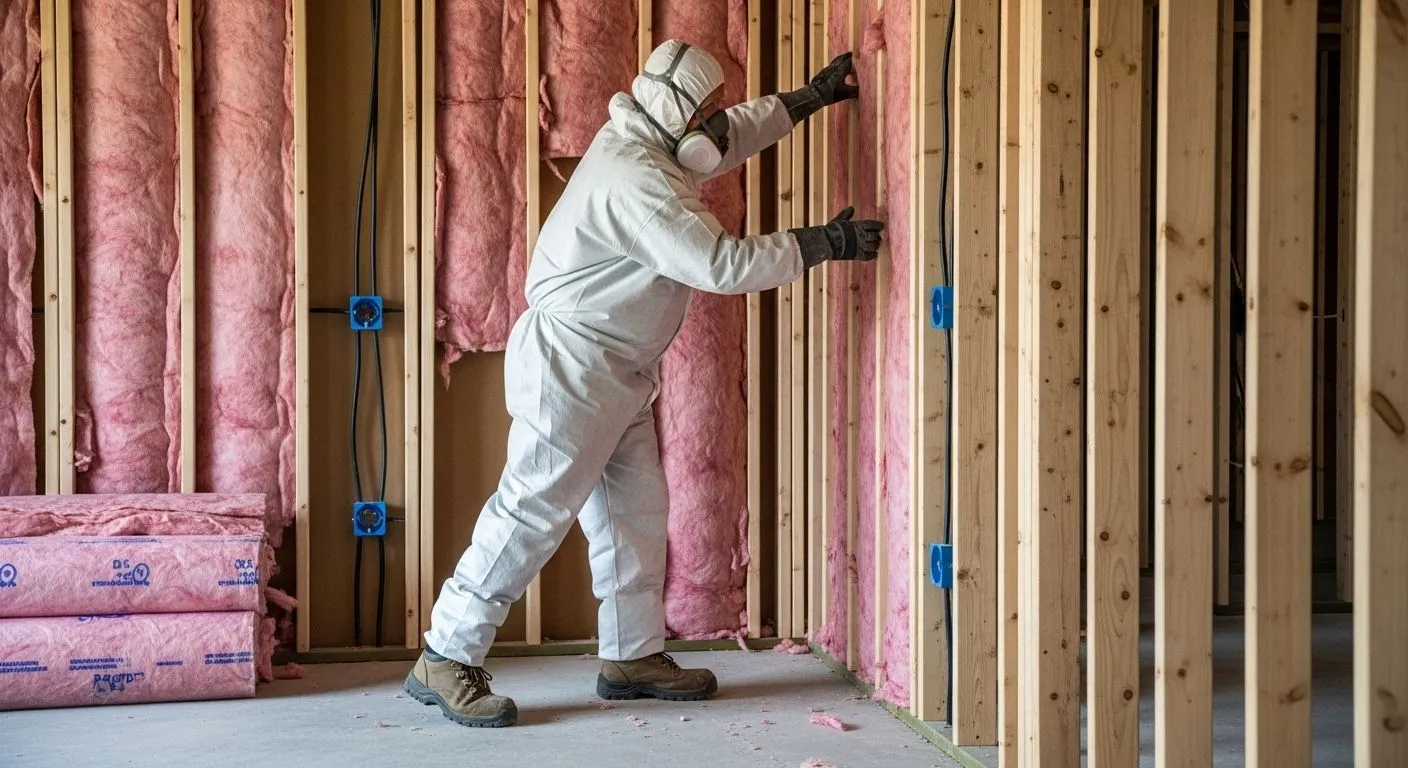
Fiberglass batt is the most common and budget-friendly option. For R-21 batt — the standard for 2×6 wall cavities in Montana — the typical project price breaks down as follows:
R-21 Batt Project Tier
Cost Per Square Foot
Typical LOW project price
$1.65 / sq ft
Typical AVERAGE project price
$1.85 / sq ft
Typical HIGH project price
$1.95 / sq ft
Fiberglass batt is lightweight, easy to handle, and available in a wide range of R-values, making it the go-to choice for homes throughout Kalispell, Evergreen, MT, and Bigfork, MT.
Mineral wool batt costs more, typically $1.50 to $2.60 per square foot installed, but offers superior fire resistance, sound dampening, and moisture tolerance. For Kalispell homeowners dealing with road noise from Highway 93 or concerned about wildfire risk in surrounding forested areas, mineral wool is a strong upgrade.
Material
Cost Per Sq Ft (Installed)
Fire Rating
Sound Dampening
Best Use
Fiberglass Batt (R-21)
$1.65 – $1.95
Class A
Moderate
Standard 2×6 walls, budgets
Mineral Wool Batt
$1.50 – $2.60
Class A (non-combustible)
Excellent
Sound walls, fire-rated assemblies
High-Density Fiberglass
$1.20 – $2.00
Class A
Good
Cathedral ceilings, 2×6 walls
Faced Kraft Batt
$1.00 – $1.80
Class A
Moderate
Moisture-prone cavities
The right choice depends on your priorities. If energy savings alone are the goal, fiberglass batt at the correct R-value delivers the best return on investment. If sound control or fire safety matters, mineral wool justifies the premium.
R-Value Requirements for Kalispell’s Climate Zone
Kalispell sits in IECC Climate Zone 6, one of the colder zones in the continental United States. The Department of Energy recommends the following minimum R-values for this region:
Attic (flat): R-49 to R-60
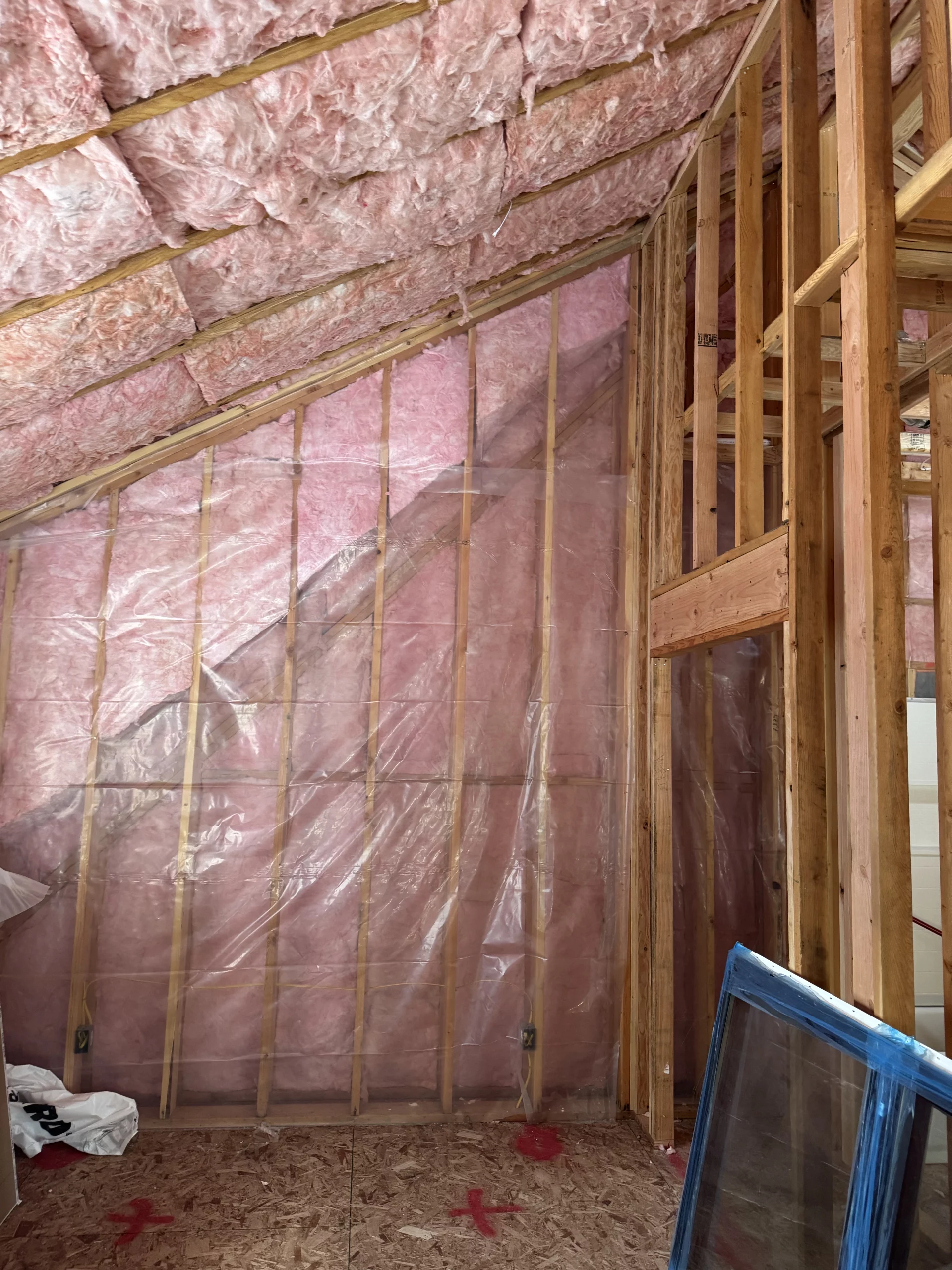
Attic (cathedral ceiling): R-38 to R-49
Wall cavities (2×4 framing): R-13 to R-15
Wall cavities (2×6 framing): R-19 to R-21
Floor over unconditioned space: R-25 to R-30
For 2×6 wall cavities — the most common framing in modern Montana homes — R-21 fiberglass batt is the standard recommendation, priced at a typical average of $1.85 per square foot. Higher R-values mean thicker batts, which cost more per roll. Upgrading from R-13 to R-21 in a 2×6 wall adds roughly 20% to material costs. However, the energy savings in a Zone 6 climate can offset that premium within three to five heating seasons, especially with Kalispell’s long winters and natural gas or propane heating costs.
Real-World Project Scenarios in Kalispell
These examples illustrate how different home profiles translate into actual quotes using the R-21 batt pricing:
Scenario
Home Type
Project Scope
Condition
Estimated Total (R-21 at avg $1.85/sq ft)
New Build
1,800 sq ft ranch
Full wall + attic batt
Open cavities, standard framing
$2,775 – $4,680
Retrofit
1960s 1,200 sq ft home
Attic only, fiberglass R-49
Old insulation removal needed
$1,600 – $2,800
Remodel + Sound
2,200 sq ft two-story
Interior walls, mineral wool
Open walls during renovation
$2,800 – $5,200
Lake Home
1,600 sq ft cabin
Attic + walls, high-density
Moisture damage found in walls
$3,000 – $5,500
These figures are estimates based on current Montana market rates. Actual quotes will vary based on contractor pricing, specific material choices, and site conditions discovered during the assessment. Homeowners in Columbia Falls, MT and Whitefish, MT may see slight variations due to travel distances and local contractor availability.
Who Batt Insulation Makes Sense For
Ideal candidates:
Homeowners with open wall cavities during a remodel or new construction
Those upgrading attic insulation on a budget
Properties with standard 16-inch or 24-inch on-center framing
Owners prioritizing cost-effective energy efficiency over premium performance
Homes in Climate Zone 6 needing to meet current R-value recommendations
Not the best fit for:
Homes with dense-packed existing insulation that cannot be easily removed
Irregular framing or complicated cavity geometries where blown-in or spray foam performs better
Situations requiring a complete air seal, since batt insulation alone does not create an airtight barrier
Extremely tight crawlspaces where rigid board or spray foam is more practical to install
The Cost of Waiting
Here is the real question most Kalispell homeowners should be asking: what does it cost to do nothing? An under-insulated home in Climate Zone 6 can waste 20% to 30% of its heating energy every winter. For a home spending $2,500 annually on heating, that is $500 to $750 per year going straight out the walls and attic.
Over a five-year period, that adds up to $2,500 to $3,750 in wasted energy, which is roughly equal to or more than the cost of a full batt insulation installation. At the typical average R-21 batt price of $1.85 per square foot, a 1,500-square-foot wall project would cost approximately $2,775 less than five years of wasted energy. The insulation pays for itself, then continues saving money for the life of the home. Every winter you delay is another season of heating dollars lost.
Get an Accurate Quote for Your Kalispell Home
Every insulation project is different, and online estimates can only take you so far. At Wegner Insulation, we provide detailed, on-site assessments that account for your home’s exact square footage, wall condition, framing type, and R-value requirements. We work with homeowners throughout Kalispell and the broader Flathead Valley region, including Evergreen, MT, Columbia Falls, MT, Whitefish, MT, and Bigfork, MT, to deliver honest pricing and quality installation.
Request a quote for your batt insulation project by reaching out to Anthony at anthony@wegnerinsulation.com or calling (406) 654-4636. Prefer a hands-on walkthrough first? Schedule an on-site insulation assessment so we can measure your space, evaluate existing conditions, and give you a quote backed by real numbers, not guesswork.
The right insulation at the right price starts with an honest conversation.
FAQs
How much does batt insulation cost per square foot in Kalispell?
For R-21 batt insulation the standard for 2×6 wall cavities the typical project price ranges from $1.65 (low) to $1.95 (high) per square foot installed, with an average of $1.85 per square foot. Mineral wool batt costs more, typically $1.50 to $2.60 per square foot, depending on R-value and project complexity.
Does wall condition really change the price that much?
Yes. Homes with old insulation that needs removal, irregular stud spacing, or moisture damage can see labor costs increase by 15% to 30%. A thorough pre-installation inspection identifies these issues before work begins so there are no surprise charges.
Is fiberglass batt or mineral wool better for Kalispell winters?
Both perform well thermally when installed at the correct R-value. Fiberglass at $1.85 per square foot (average for R-21) is more affordable and sufficient for most homes. Mineral wool adds fire resistance and sound dampening, making it worth the upgrade for homeowners near busy roads or in wildfire-prone areas.
How long does a batt insulation installation take?
A standard attic installation in a 1,500-square-foot home typically takes one to two days. Whole-house wall insulation during a remodel can take two to four days, depending on the number of cavities and whether old material needs removal.
Can I install batt insulation myself to save money?
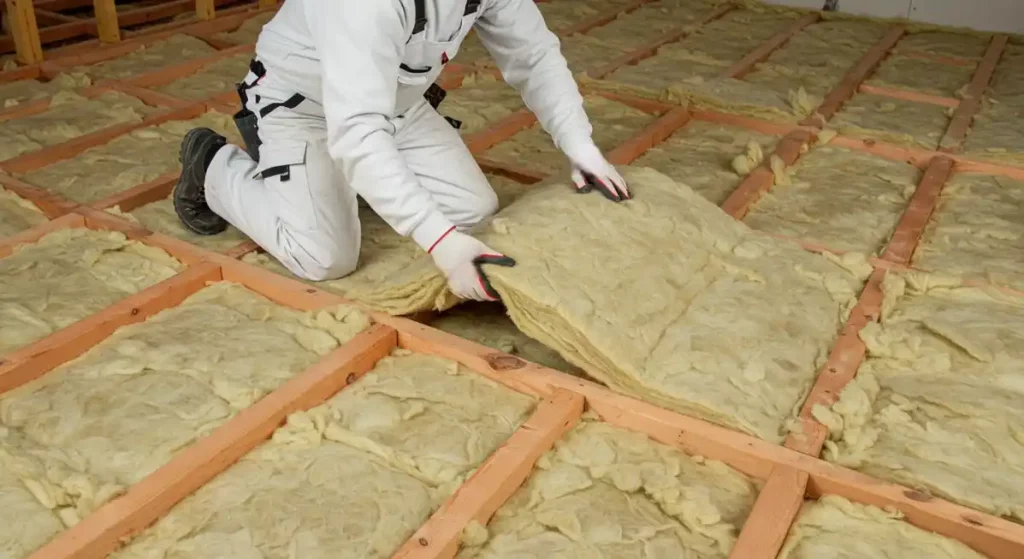
DIY installation is possible for open attics and accessible cavities, but improper installation reduces effectiveness by up to 50%. Compressed batts, gaps around framing, and missing vapor barriers all undermine performance. Professional installation ensures you get the full R-value you are paying for.
Blown-in fiberglass insulation loses effectiveness over time primarily because gravity, moisture, and convective air movement within the material cause it…