What is the Real Cost of Closed-Cell Spray Foam Insulation in Kalispell Homes
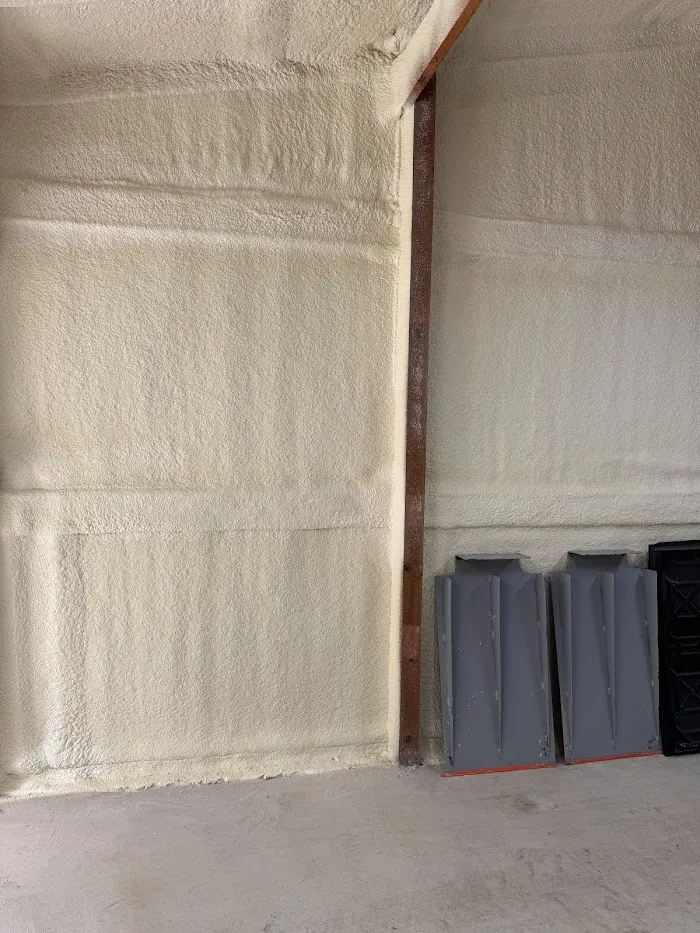
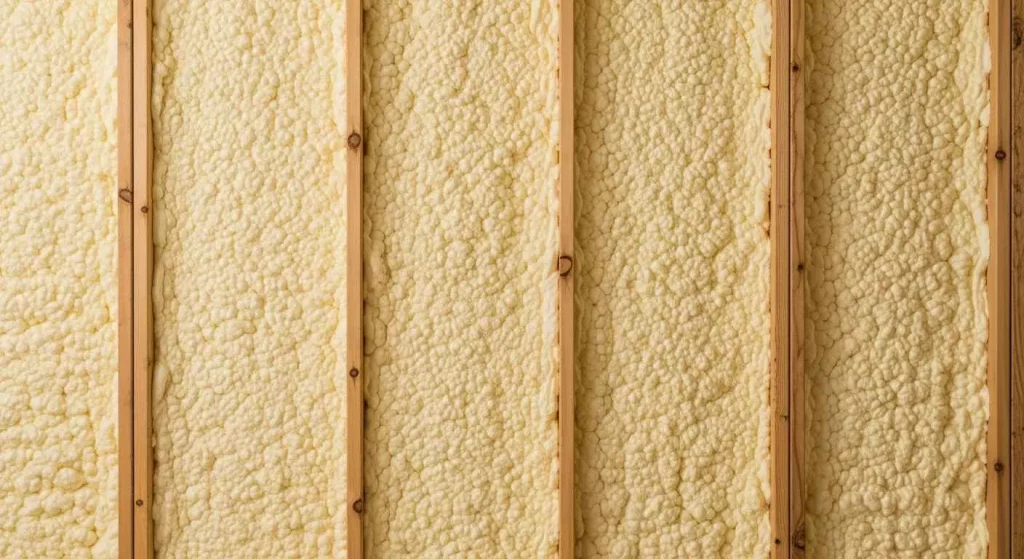
Closed-cell spray foam insulation in Kalispell homes costs between $1.00 and $1.25 per square foot per inch of thickness installed,…



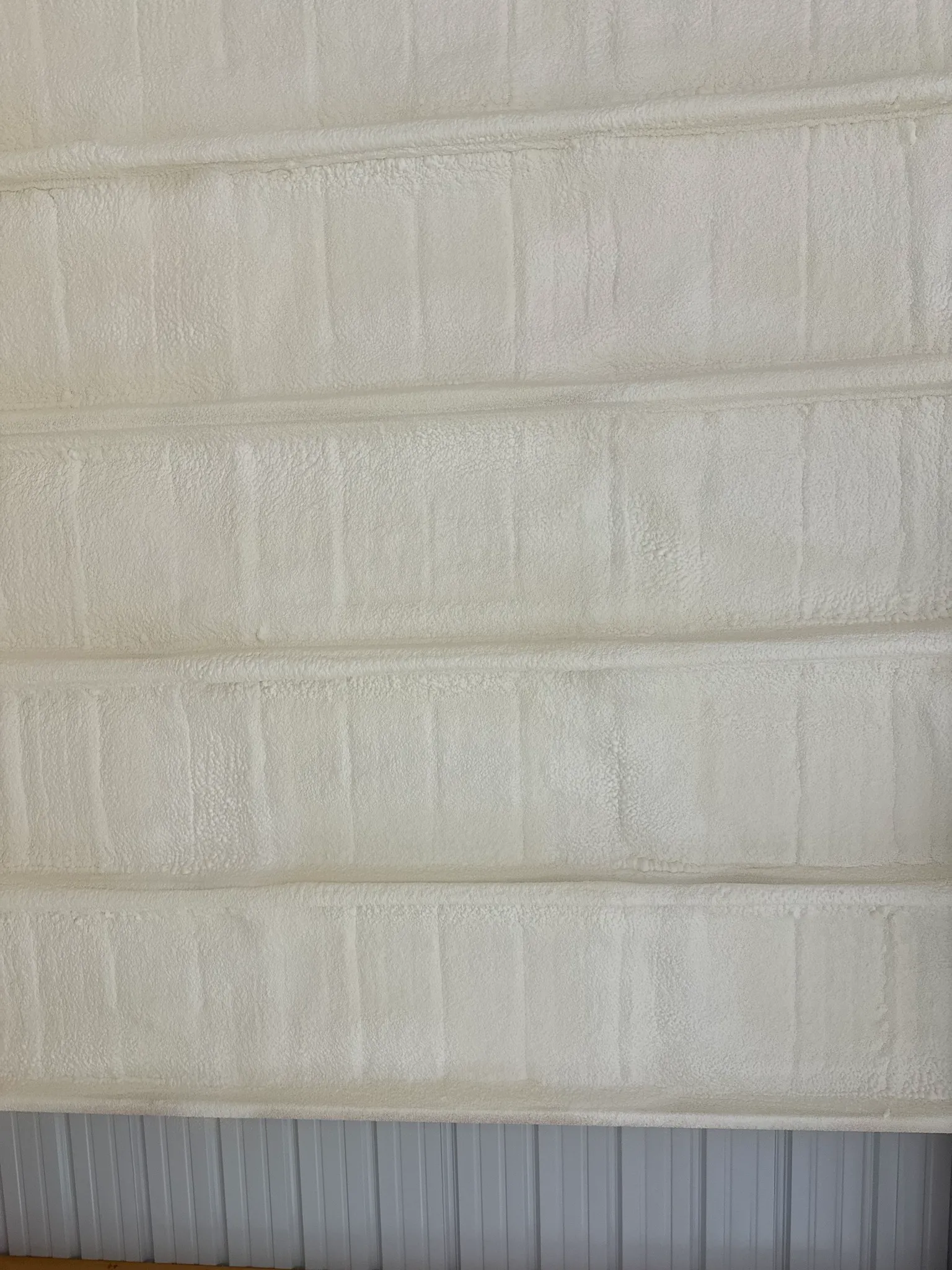
Spray foam insulation reduces indoor allergens by creating a solid, continuous air barrier that physically blocks pollen, dust, and outdoor pollutants from entering a building. Unlike fibrous insulation materials, which allow air to pass through, spray foam expands to fill gaps, cracks, and crevices, effectively blocking the infiltration routes that carry allergens. Additionally, this insulation method prevents moisture accumulation in walls and attics, eliminating the damp conditions that support mold colonies and dust mites.
Improving indoor air quality requires addressing the root causes of contamination rather than just filtering the air. Most residential structures act like vacuums that suck outdoor air and the allergens it carries through small openings in the building envelope. By establishing a sealed thermal envelope, you stop this airflow and gain control over the indoor environment. The following sections explain the mechanics behind this process and how effective air sealing creates a healthier living space.
The primary way allergens enter a home is through uncontrolled air leakage. This phenomenon is often driven by the “stack effect.” In the winter, warm air rises and escapes through the attic. This creates negative pressure in the lower levels of the house, which pulls in outside air through cracks in the foundation, windows, and walls. This incoming air carries pollen, mold spores, and vehicle exhaust.
Traditional insulation, like fiberglass, acts like a wool sweater. It holds heat but lets wind (and allergens) blow right through it. Spray foam acts like a windbreaker. It stops the air movement entirely. When you eliminate the airflow, you eliminate the transport mechanism for these irritants.
According to the Asthma and Allergy Foundation of America, reducing exposure to triggers is the most effective way to manage allergic reactions. By sealing the building envelope with spray foam, you effectively close the door on these microscopic intruders.
Bonus Tip: Focus on the attic floor and the rim joist (where the house meets the foundation). These are the two most significant sources of air leakage and allergen infiltration in most structures.
Mold requires moisture to grow. Traditional insulation materials often absorb moisture from the air or allow condensation to form on cold surfaces inside wall cavities. Once fiberglass gets wet, it loses its insulating value and becomes a breeding ground for mold. The spores released by this mold circulate through the HVAC system, triggering respiratory issues.
Spray foam insulation prevents this issue in two ways:
Data published by the Centers for Disease Control and Prevention indicates that controlling humidity and preventing moisture intrusion are the only effective ways to prevent mold growth indoors. By removing the moisture variable, you render the environment inhospitable to fungal growth.
Pests such as mice, rats, and insects are significant sources of indoor allergens. Their droppings and dander can trigger severe reactions. Rodents often use fiberglass insulation as nesting material because it is soft and warm. They can tunnel through it easily, leaving behind waste that contaminates the air.
Spray foam hardens into a dense material that does not provide food or nesting value for pests. While not a pesticide, it creates a physical barrier that fills the tiny holes mice and bugs use to enter the home. If they cannot get in, they cannot introduce allergens.
Dust mites also rely on specific environmental conditions. They need high humidity to survive. By sealing the home and allowing the HVAC system to condition the air more efficiently, spray foam helps maintain lower indoor humidity levels. A study referenced by the American Lung Association confirms that keeping relative humidity below 50 percent is essential for reducing dust mite populations.
To understand why spray foam performs better for allergy sufferers, it helps to compare it directly with common alternatives.
| Feature | Spray Foam (Closed Cell) | Fiberglass / Cellulose |
|---|---|---|
| Air Barrier | Forms a complete, airtight seal | Allows air and allergens to pass through |
| Moisture Resistance | Repels water; acts as a vapor barrier | Absorbs moisture; prone to mold growth |
| Pest Deterrence | Hard barrier; no nesting value | Soft material; ideal for rodent nests |
| Longevity | Lasts 80+ years without degrading | Settles and degrades over 15-20 years |
| Particulate Matter | Inert once cured | Can release fibers and dust into the air |
While the benefits are clear, moving to spray foam requires planning. You must evaluate the building’s current condition before installation.
Existing Insulation Removal You cannot simply spray over dirty, allergen-filled insulation. The old material must be obliterated. This process can temporarily stir up dust and mold spores. It is vital to hire professionals who use containment barriers and negative pressure during removal to protect the living space.
Ventilation Requirements When you seal a house tightly to stop allergens, you also stop “accidental” fresh air from entering. This is good for energy bills but requires a strategy for fresh air. A tight home often needs mechanical ventilation, such as an Energy Recovery Ventilator (ERV). This device brings in fresh outdoor air but filters it first, ensuring you get oxygen without pollen.
Chemical Sensitivity During the application process, spray foam releases off-gassing fumes. The home must be vacated during spraying and for a specific period afterward (usually 24 to 48 hours) to allow the foam to cure and become inert. Once cured, high-quality foam is safe and does not emit gas.
Bonus Tip: Ask your installer about “low-VOC” or “Greenguard Gold” certified spray foam options if you are chemically sensitive. These formulas are designed to meet stricter emission standards.
The importance of this topic is backed by significant market research. A report by Grand View Research notes that demand for spray polyurethane foam is growing, partly due to increased consumer awareness of energy efficiency and indoor health standards. Furthermore, indoor air pollution is among the top five environmental risks to public health, noting that indoor air can be two to five times more polluted than outdoor air.
Closed-cell foam is generally better for allergy sufferers. It is denser and blocks moisture more effectively than open-cell foam. Open-cell foam is permeable to moisture, which means it might allow humidity to pass through if not paired with a separate vapor retarder.
Spray foam stabilizes indoor humidity. By blocking humid outdoor air from entering, your air conditioner does not have to work as hard to remove moisture. Drier air makes it difficult for dust mites and mold to survive.
No. You must leave the premises during the application. The chemicals used during the reaction process can be irritating until they have fully cured. Re-entry is usually safe after 24 to 48 hours, depending on the specific product used.
Spray foam does not attract termites, but it does not repel them either. It is not a food source. However, because it blocks visual inspection of the wood framing, some pest control professionals recommend leaving a small inspection gap near the foundation or using termite-resistant foam products.
Installing spray foam insulation transforms a home from a porous structure into a sealed system. This transition stops the physical infiltration of pollen and smoke, regulates moisture to prevent mold, and blocks entry points for pests. The result is a cleaner, drier indoor environment that supports respiratory health.
Every home has different airflow dynamics. Before deciding on a complete upgrade, assess your current insulation levels and ventilation strategy. The goal is to create a balanced system where you control the air entering your home, rather than letting the weather decide for you.
If you are struggling with persistent indoor allergies, the solution often lies in the hidden spaces of your home. Wegner Insulation specializes in diagnosing building envelope issues that contribute to poor air quality. We can help you determine if your current insulation is harboring contaminants or allowing outdoor pollutants to invade your living space.
Contact us to discuss your specific situation and see if spray foam is the right solution for your home.
Wegner Insulation Phone: (406) 654-4636 Email: [email protected]