What makes spray foam a versatile solution for complex architecture in 2026
admin-wegnerinsulation
January 19th, 2026
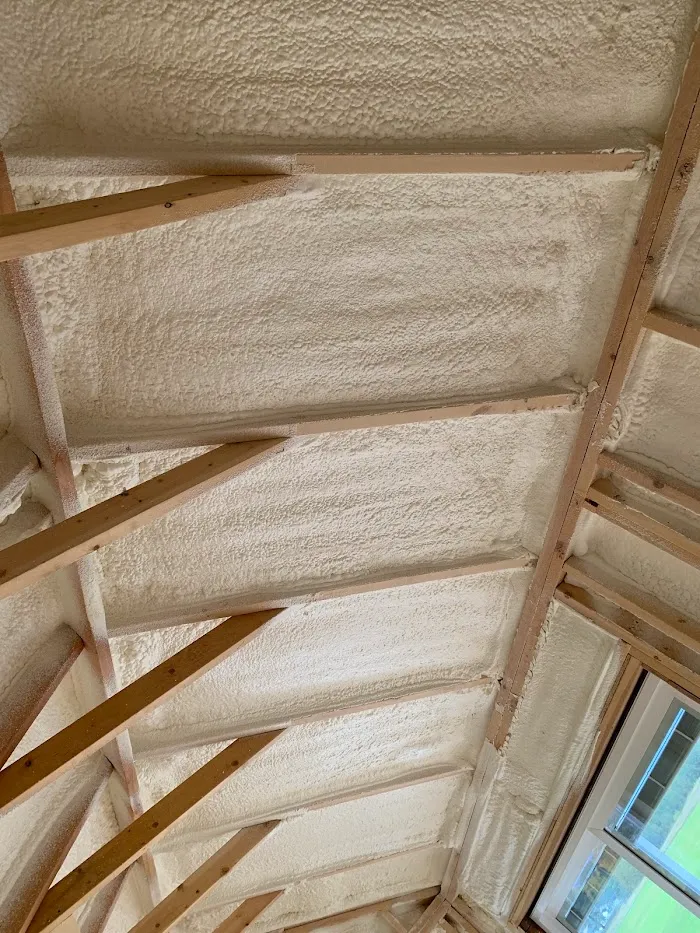
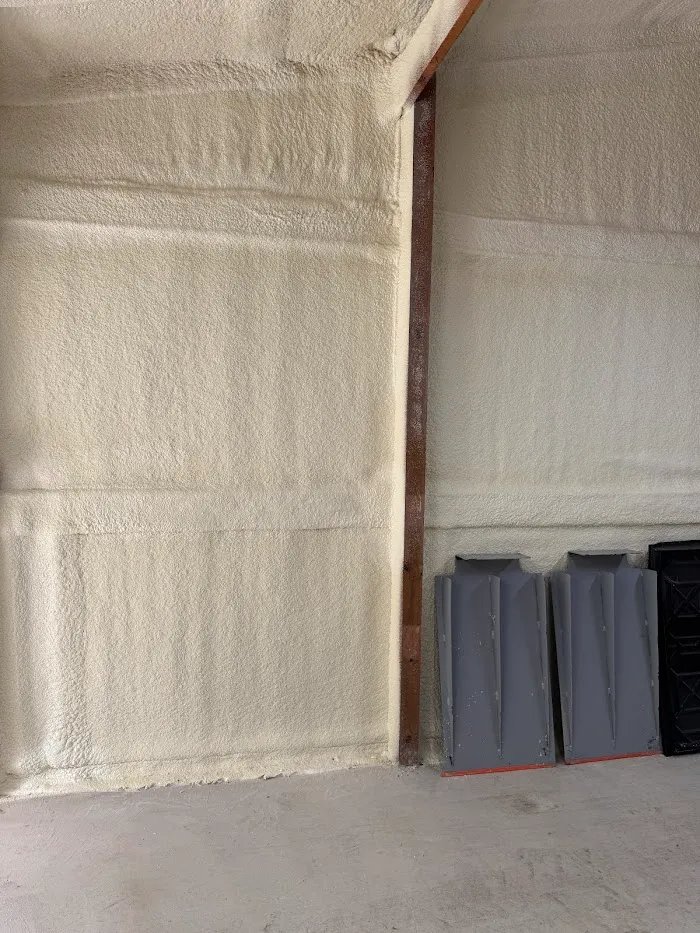
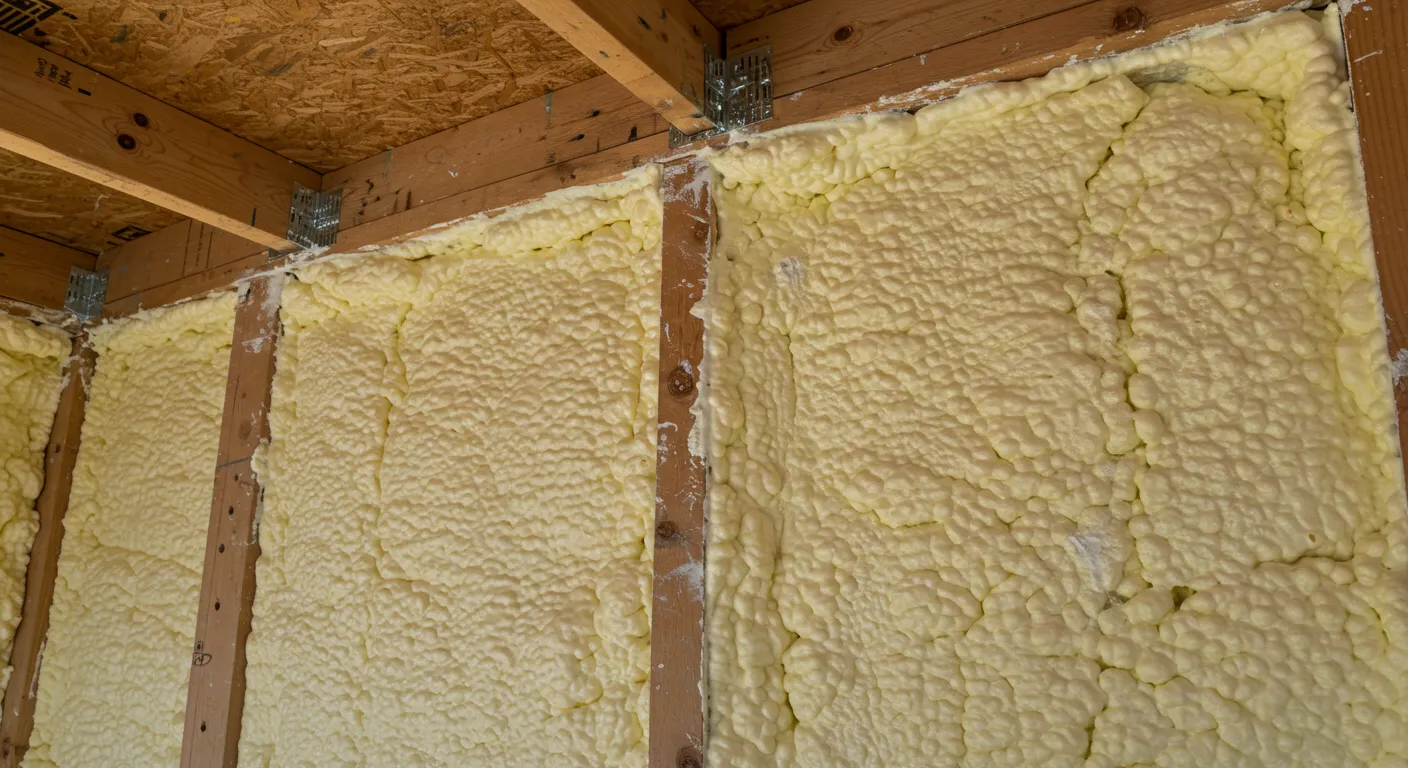
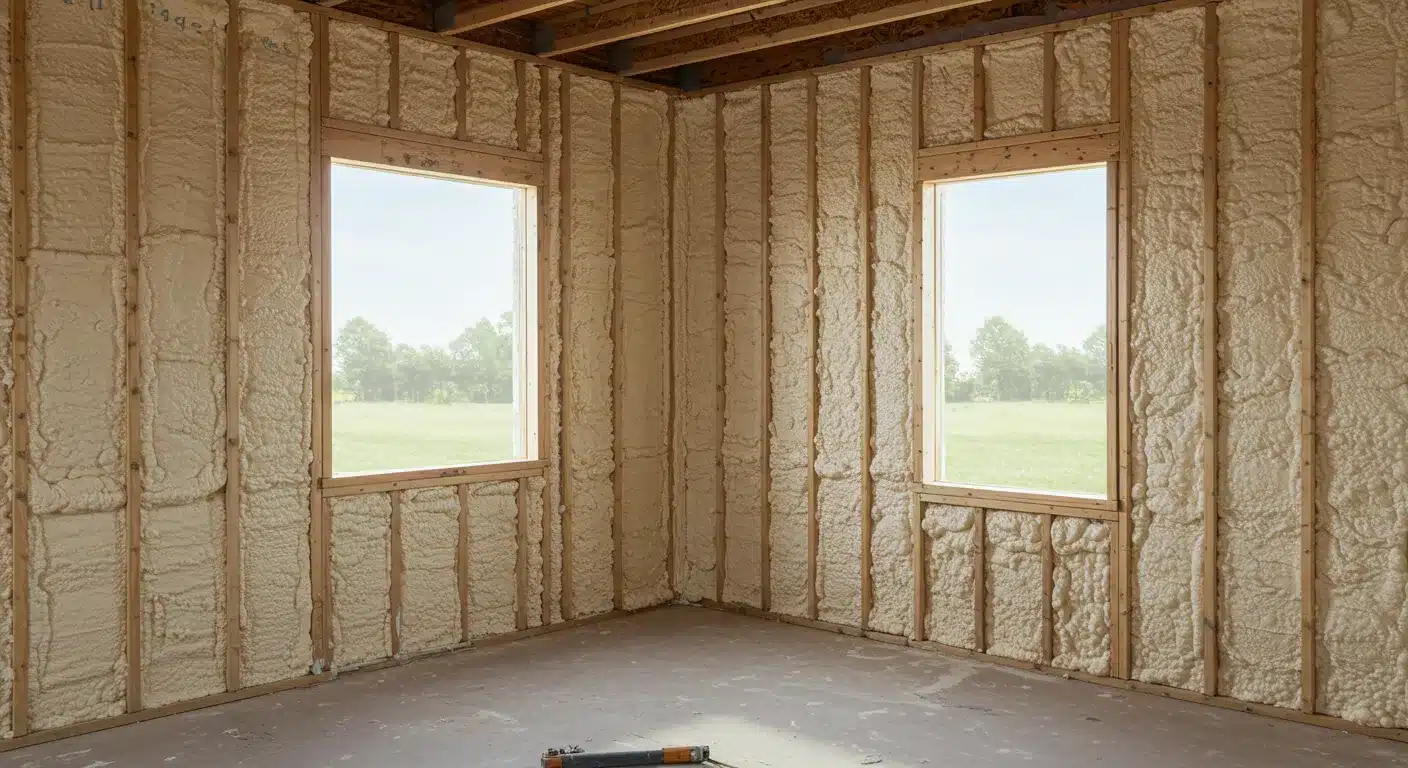
Spray foam insulation has become the go-to solution for complex architectural designs primarily due to its unique combination of air sealing capabilities, superior thermal performance, and adaptability to irregular spaces. Unlike traditional insulation materials that struggle with unconventional geometries, spray foam expands to fill every cavity and crevice, creating a continuous thermal barrier that conforms to any architectural form. This versatility makes it particularly valuable for modern designs featuring curved walls, vaulted ceilings, and intricate structural elements that would otherwise compromise energy efficiency.
The following analysis explores why spray foam insulation stands out as a practical solution for today’s challenging architectural projects, examining its technical properties, real-world applications, and critical decision factors for 2026 construction projects. Drawing on years of field experience and current industry data, this information provides architects, builders, and property owners with actionable insights to inform insulation choices.
Spray foam’s adaptability stems from its fundamental chemical properties and installation process. The material consists of two liquid components that mix at the application nozzle, expanding rapidly to fill cavities while creating millions of tiny sealed air pockets. This expansion ratio—typically 30 to 100 times its original volume—allows it to conform to any space geometry, from tight corners to expansive curved surfaces.
The material’s structural properties extend beyond insulation. Closed-cell spray foam adds significant rigidity to wall assemblies, contributing to structural integrity without adding substantial weight. This characteristic proves especially valuable in contemporary designs that push conventional building boundaries. According to industry data from the Spray Polyurethane Foam Alliance, closed-cell spray foam can provide up to 250% greater structural support compared to traditional insulation materials.
Architectural Applications by Building Type
Different architectural styles present unique challenges that spray foam addresses effectively. The table below outlines specific applications across various building types, demonstrating how this material solves common design problems.
Building Type
Design Challenge
Spray Foam Solution
R-Value per Inch
Modern Residences
Cantilevered floors & glass walls
Structural support + thermal break
6.5-7.0
Commercial Spaces
High ceilings & open layouts
Reduced thermal bridging in steel structures
6.0-6.5
Historic Renovations
Irregular cavity shapes
Conforms to existing structure
5.5-6.0
Industrial Buildings
Large spans & temperature control
Air sealing for climate zones
6.5-7.5
Bonus Tip: When working with exposed architectural elements, consider combining spray foam with decorative finishes that can be applied directly to the cured surface, saving time while maintaining design intent.
The material’s versatility extends to climate-specific applications. In northern regions like Montana, where Wegner Insulation operates, spray foam’s air sealing properties become critical for heating efficiency. The same material serves equally well in hot, humid climates where moisture control takes precedence.
Environmental and Energy Considerations
Modern construction increasingly prioritizes sustainability, and spray foam insulation delivers measurable benefits in this area. The material’s superior thermal performance directly reduces heating and cooling loads, translating to lower energy consumption over a building’s lifespan. Research from the U.S. Department of Energy indicates that proper air sealing alone can reduce energy bills by up to 20%, with spray foam providing some of the most effective air sealing available.
The manufacturing process has evolved significantly, with many formulations now incorporating bio-based materials and reduced global warming potential blowing agents. However, environmental considerations should include not just the material composition but also its durability and long-term performance.
Bonus Tip: For projects seeking green building certifications, specify spray foam formulations with lower global warming potential (GWP) blowing agents, which have become increasingly available since the 2020 regulations changed.
Things to Consider Before Making a Decision
Selecting spray foam insulation requires careful evaluation of several factors beyond its technical capabilities. Professional installation remains the most critical consideration, as improper application can compromise performance and create moisture problems. Material choice between open-cell and closed-cell formulations depends on climate, building design, and budget constraints.
Building code compliance represents another essential factor. Many jurisdictions have updated their requirements following recent energy code changes. The International Code Council continues to evolve standards that impact spray foam applications, particularly regarding vapor retarders and fire safety requirements.
Decision Factors Checklist:
Installer certification and experience level
Building code requirements in your jurisdiction
Climate-specific moisture management needs
Budget constraints vs. long-term energy savings
Project timeline and curing requirements
Bonus Tip: Always perform a moisture control analysis before selecting a spray foam type, especially in climates with significant seasonal humidity variations.
Key Takeaways for Complex Architecture
Spray foam insulation offers unmatched versatility for challenging architectural designs through its combination of air sealing, thermal performance, and structural properties. The material’s ability to conform to irregular shapes while providing continuous insulation makes it particularly valuable for contemporary architecture that pushes conventional boundaries.
However, successful implementation depends on proper system design, experienced installation, and adherence to building codes. The material selection between open-cell and closed-cell formulations should be based on climate, building type, and specific performance requirements. When specified and installed correctly, spray foam provides long-term energy efficiency that supports sustainable building practices while enabling architectural creativity.
Get Professional Guidance for Your Project
For specific questions about spray foam insulation applications in complex architectural projects, Wegner Insulation provides comprehensive consultation services. Contact Anthony Wegner at [email protected] or call (406) 654-4636 to discuss your project requirements. Professional assessment ensures proper material selection and installation methods that align with your architectural vision and performance goals.
Frequently Asked Questions
How does spray foam compare to traditional insulation in terms of cost?
While spray foam has higher upfront costs—typically 2-3 times more than fiberglass—the lifetime energy savings often justify the investment. Payback periods range from 3-7 years, depending on climate and energy prices.
Can spray foam be installed in existing buildings?
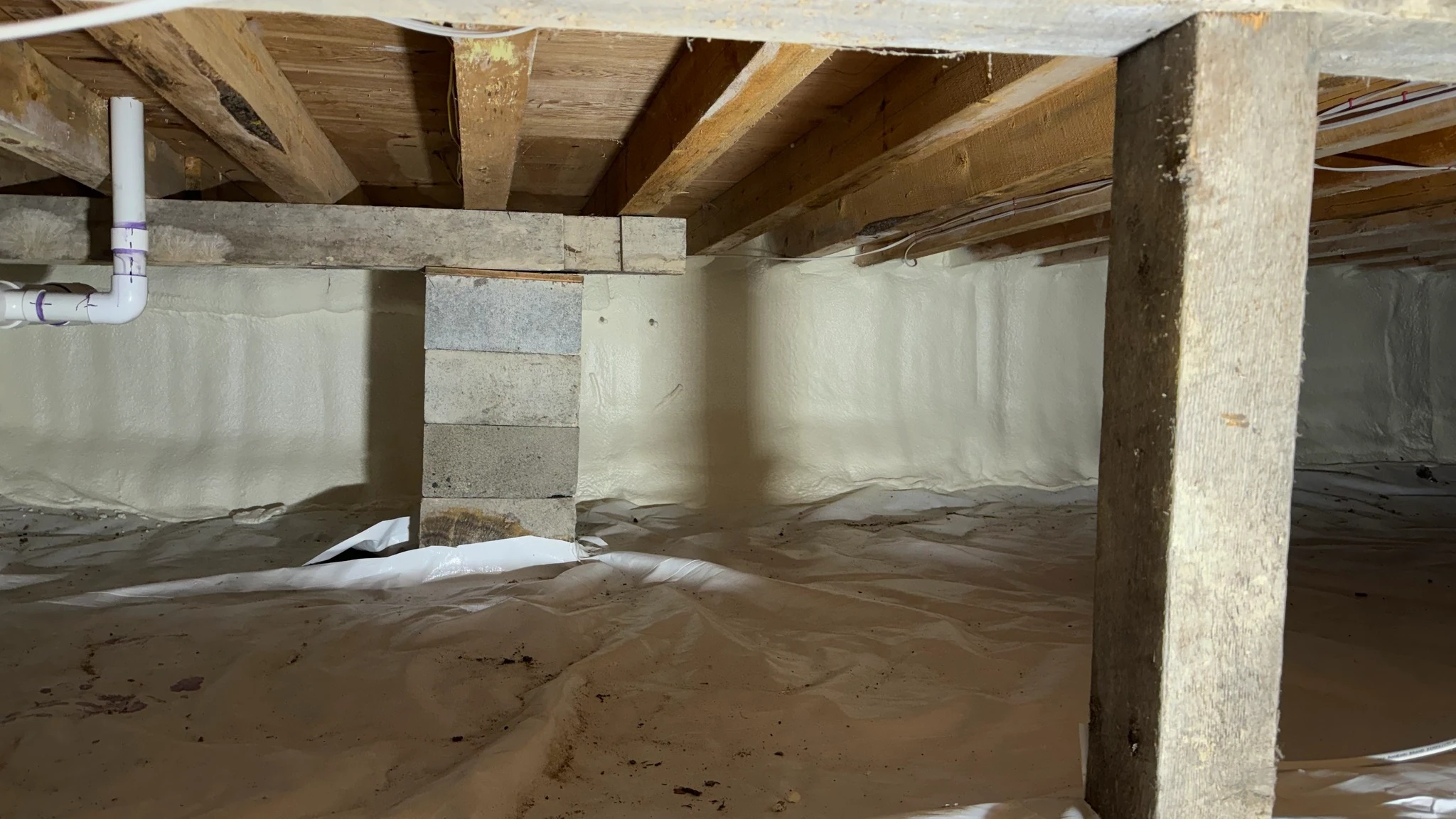
Yes, spray foam works well for retrofit applications, particularly in attics, crawl spaces, and wall cavities. Installation requires access to the cavity space and may involve some minor demolition for wall applications.
What is the lifespan of spray foam insulation?
Properly installed spray foam insulation typically lasts the lifetime of the building, with manufacturers offering warranties ranging from 10 years to lifetime coverage against material defects.
Does spray foam require special ventilation?
Spray foam creates a very tight building envelope, making mechanical ventilation essential for indoor air quality. Energy recovery ventilators (ERVs) or heat recovery ventilators (HRVs) are recommended for most applications.
How do building codes affect spray foam use?
Building codes vary by jurisdiction but generally require fire barriers, proper ignition barriers, and compliance with local energy codes. Always verify local requirements before specifying spray foam products.
Sources
Spray Polyurethane Foam Alliance – Industry association providing technical data and best practices for spray foam insulation applications
U.S. Department of Energy – Official government resource for energy efficiency information and building science research
International Code Council – Organization that develops building codes and standards used throughout the United States
Spray foam insulation delivers superior indoor comfort in Kalispell homes by maintaining consistent temperatures year-round and eliminating drafts and moisture…