The Impact of Insulation on Your HVAC System’s Lifespan
admin-wegnerinsulation
November 28th, 2025
Proper insulation directly extends the life of a home’s heating, ventilation, and air conditioning (HVAC) system by reducing its workload. When a house is poorly insulated, it constantly loses conditioned air and gains outside air, forcing the furnace or air conditioner to run longer and more frequently to maintain the thermostat’s set temperature. This continuous operation causes excessive wear and tear on critical components like compressors, fans, and motors, leading to premature breakdowns and a significantly shorter operational life. By creating a stable thermal barrier, effective insulation allows the HVAC unit to cycle on and off less often, minimizing strain and preserving its machinery for years longer than it would otherwise last.
This article provides a detailed breakdown of how insulation protects an HVAC system, the specific consequences of inadequate insulation, and the factors to consider when upgrading. The information presented is based on years of field experience observing the direct relationship between a home’s thermal envelope and the health of its climate control equipment.
How Insulation Protects Your HVAC System
An HVAC system is designed to run in cycles, not continuously. Insulation’s primary job is to provide thermal resistance, measured in R-value. A higher R-value indicates a greater ability to slow down heat transfer. In winter, insulation keeps the warm air generated by the furnace inside the home. In summer, it prevents the sun’s heat from penetrating the attic and walls, keeping the cool, conditioned air from escaping.
This thermal stability is what gives your HVAC system a break. Instead of battling constant temperature fluctuations, the unit can bring the home to a comfortable temperature and then shut off for a reasonable period. These shorter, less frequent cycles reduce stress on the entire system. Key components that benefit include:
The Compressor: In an air conditioner, the compressor is the hardest working and most expensive part. Constant operation is the number one cause of compressor failure.
The Blower Motor: This motor circulates air through the home. Like any motor, its lifespan is directly related to how many hours it runs.
Capacitors: These small but essential parts provide the initial jolt of electricity to start the system’s motors. Frequent cycling wears them out quickly, often leading to a system that won’t turn on.
The Consequences of Poor Insulation
When insulation is old, compressed, or insufficient, it creates a direct path for energy loss. The results are predictable and costly. An under-insulated home forces the HVAC unit into a state of near-constant operation during hot summers or cold winters. This leads to several mechanical problems.
The system is forced to run for extended periods, far beyond its designed duty cycle. This not only drives up energy bills but also accelerates the aging process of every mechanical part. A study from the U.S. Department of Energy shows that heating and cooling can account for over half of the energy use in an average American home. Reducing this demand is the most effective way to lower stress on the equipment. Furthermore, data published by the North American Insulation Manufacturers Association indicates that a properly insulated home can cut heating and cooling costs significantly, which is a direct reflection of reduced HVAC runtime.
Another common issue is the development of hot and cold spots throughout the house. This uneven temperature distribution confuses the thermostat, causing it to register a need for heating or cooling even when some rooms are comfortable. This triggers unnecessary HVAC cycles, adding to the system’s wear.
Estimated HVAC Lifespan Increase with Proper Insulation
The following table illustrates how improving attic insulation to recommended levels can reduce HVAC runtime and potentially extend its life. These figures are estimates and can vary based on climate, home construction, and HVAC unit efficiency.
Climate Zone (per DOE)
Typical Attic R-Value Upgrade
Estimated Annual HVAC Runtime Reduction
Potential Lifespan Extension
Hot-Humid (e.g., Florida)
From R-19 to R-38
15-20%
2 to 3 years
Mixed-Humid (e.g., Virginia)
From R-19 to R-49
20-25%
3 to 4 years
Cold/Very Cold (e.g., Montana)
From R-38 to R-60
25-30%
4 to 5 years
Bonus Tip: A simple way to spot insulation gaps is to check for drafts. On a windy day, carefully hold a lit incense stick near windows, electrical outlets, and attic hatches. If the smoke wavers or blows, it indicates an air leak that is compromising your home’s thermal barrier.
Things to Consider Before Upgrading Your Insulation
Before investing in new insulation, it’s helpful to evaluate a few factors to ensure you get the best results for your home and HVAC system.
Air Sealing First: Insulation is not a substitute for air sealing. Small gaps and cracks around pipes, wiring, and fixtures can defeat the purpose of even the best insulation. Sealing these leaks with caulk or spray foam is a necessary first step.
Climate Requirements: Insulation needs are not one-size-fits-all. A home in Montana requires significantly more attic insulation than one in Arizona. Programs like ENERGY STAR provide detailed R-value recommendations based on climate zones to help homeowners choose the right level of insulation.
Type of Insulation: Different types of insulation serve different purposes.
Fiberglass Batts: Good for standard wall cavities and open attics.
Blown-In Cellulose/Fiberglass: Ideal for filling irregular spaces and adding insulation on top of existing material in attics.
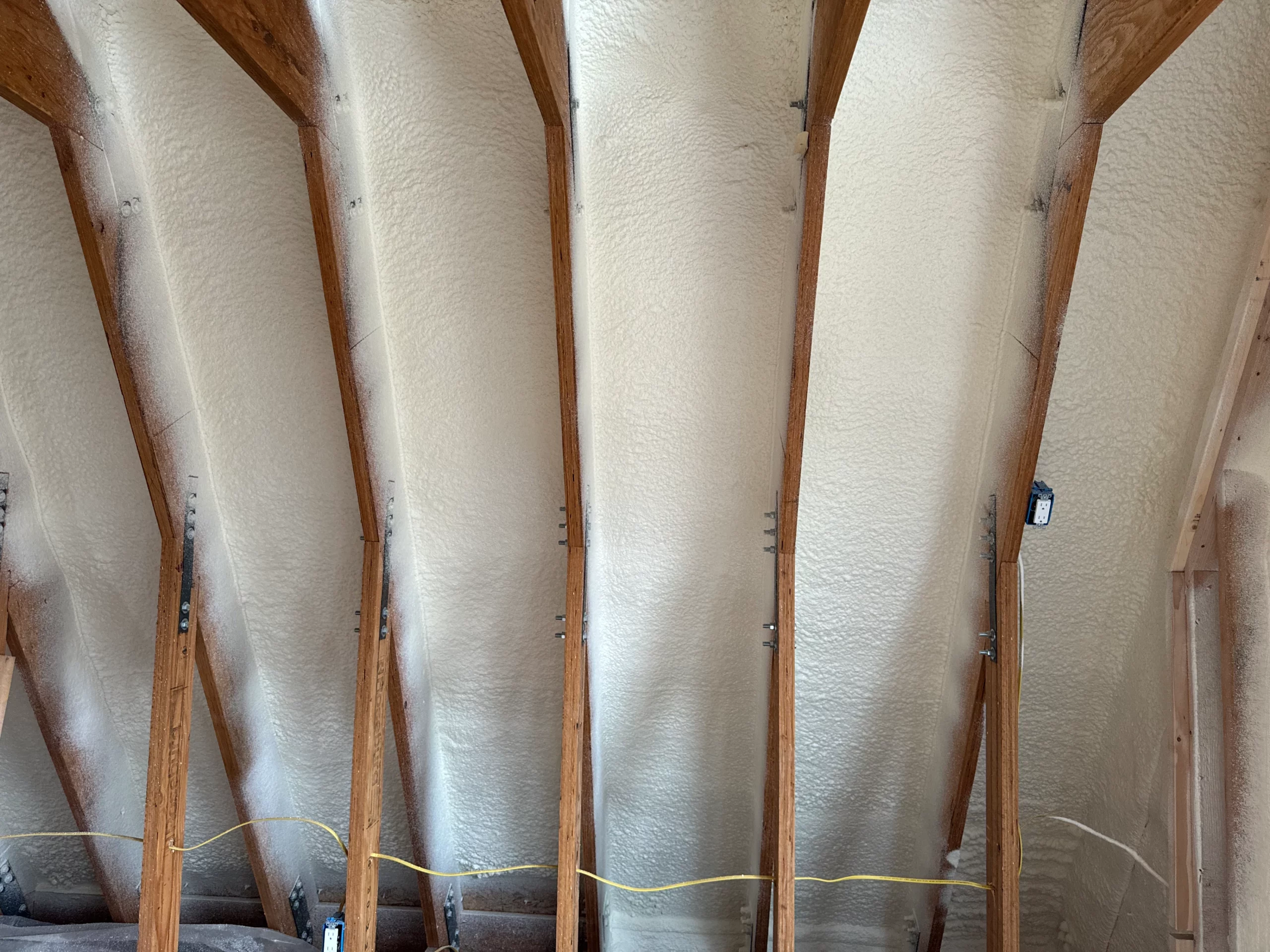
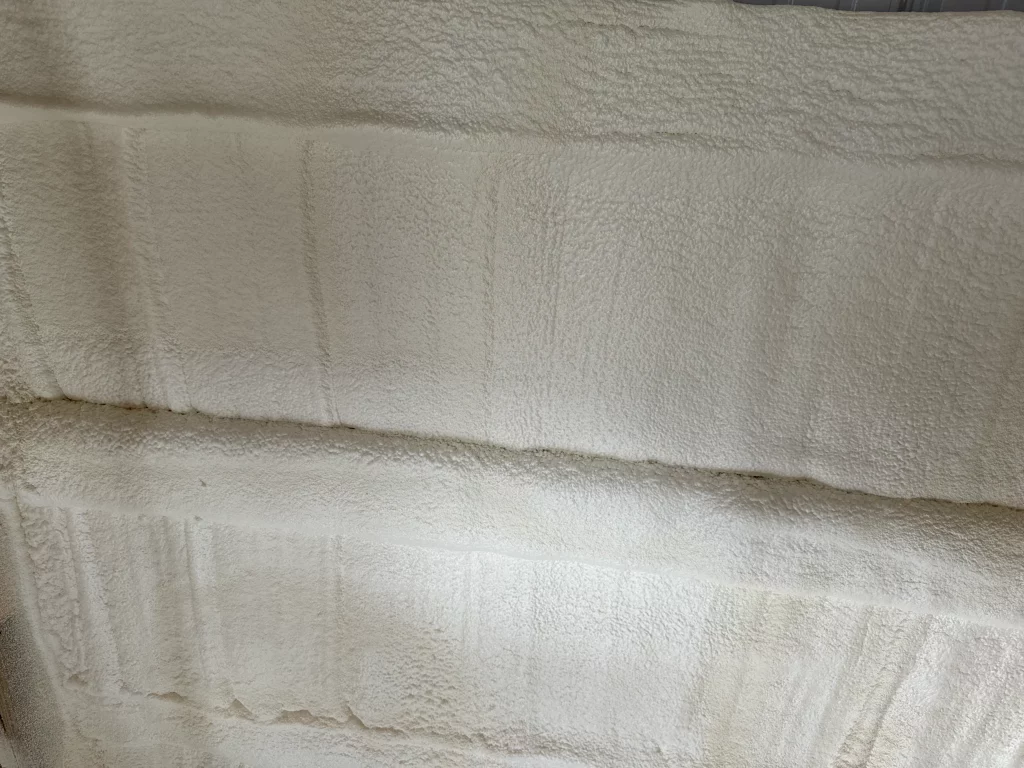
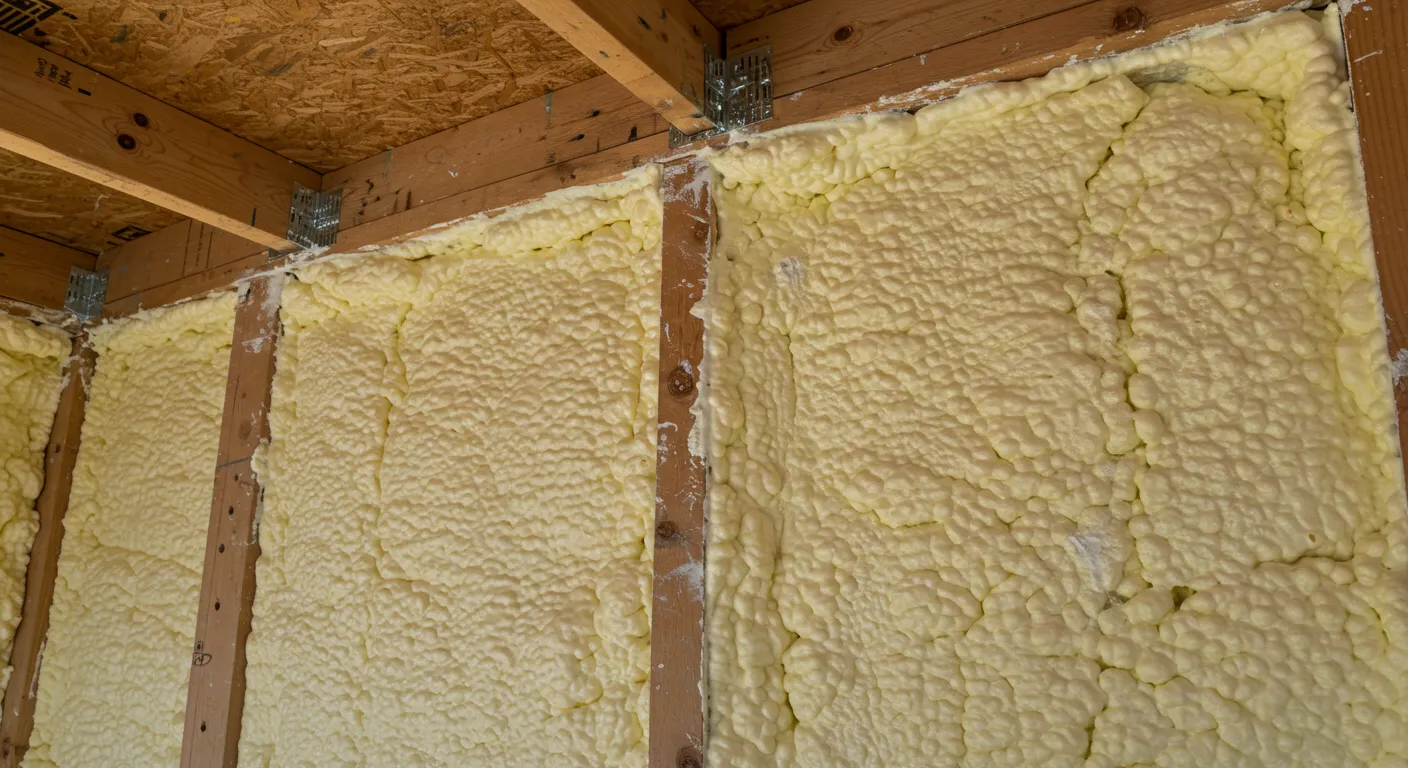
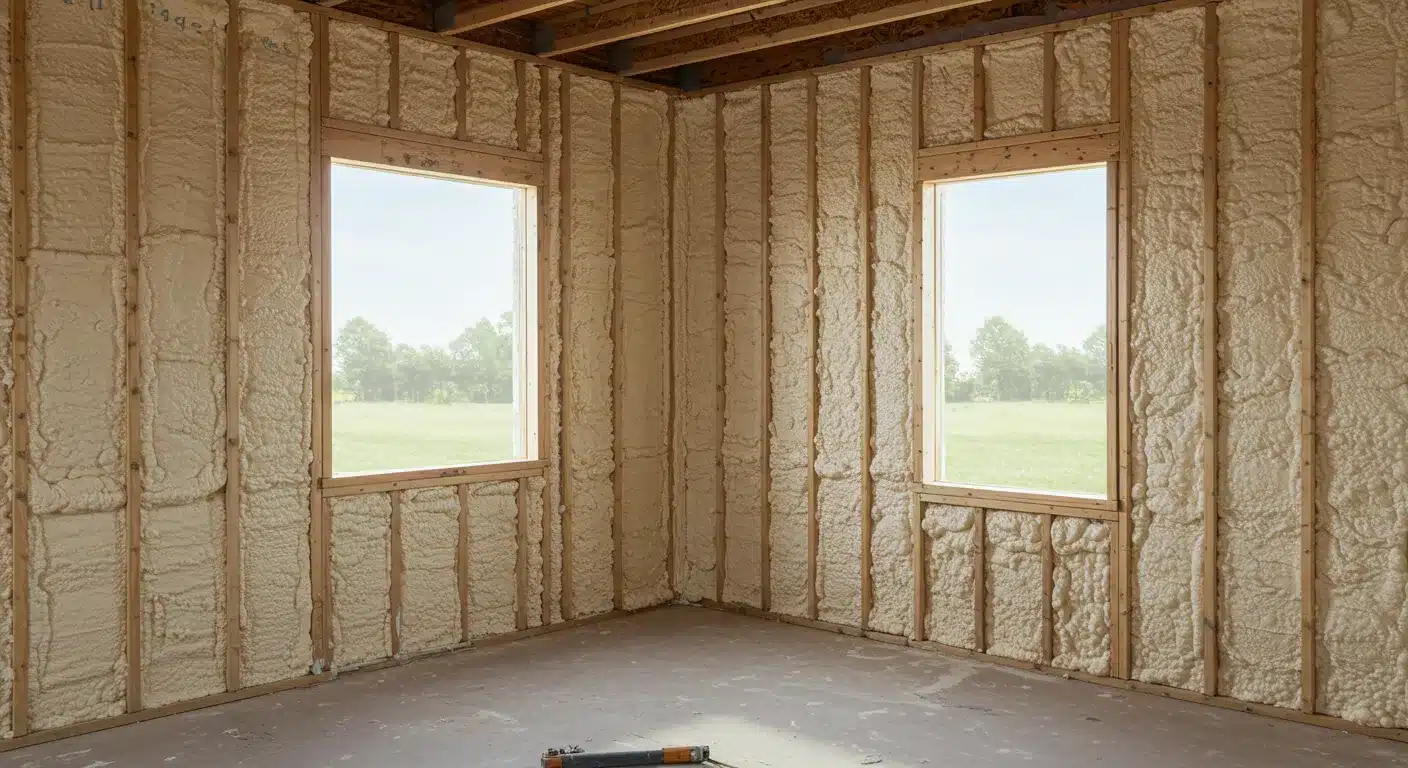
Spray Foam: Offers both insulation and air sealing, making it excellent for rim joists and complex areas.
Condition of Existing HVAC: If your HVAC system is already over 15 years old and showing signs of failure, new insulation will benefit its replacement immensely but won’t reverse the damage that has already been done.
Bonus Tip: Consider a professional energy audit. An auditor can use tools like blower doors and infrared cameras to pinpoint exactly where your home is losing the most energy. This data-driven approach removes guesswork and ensures your investment is targeted where it will have the most impact.
Final Thoughts
Investing in proper insulation is one of the most effective ways to protect your HVAC system from unnecessary strain. By stabilizing your home’s indoor temperature, you reduce the demand on your equipment, which translates directly to a longer lifespan, fewer repair bills, and lower energy costs. Before making any changes, it’s wise to evaluate your home’s specific situation, climate needs, and long-term energy goals.
Get a Professional Assessment
For a professional assessment of your home’s insulation and its effect on your HVAC system, the team at Wegner Insulation can provide a detailed evaluation. An expert can identify areas of energy loss and recommend the most effective solutions for your property. Contact the office at (406) 654-4636 or send an email to [email protected] to discuss your home’s specific needs.
Sources
U.S. Department of Energy – Provides official government data on home energy consumption, highlighting that heating and cooling are major expenses.
ENERGY STAR – A U.S. Environmental Protection Agency program that provides official R-value recommendations for different climate zones, supporting the claim about regional insulation needs.
FAQS
How do I know if my current insulation is inadequate?
Common signs include high heating and cooling bills, rooms that are difficult to keep warm or cool, noticeable temperature differences between floors, and the formation of ice dams on your roof during the winter. You can also visually inspect your attic. If you can see the tops of your ceiling joists, you almost certainly need more insulation.
What is the most important area of a house to insulate?
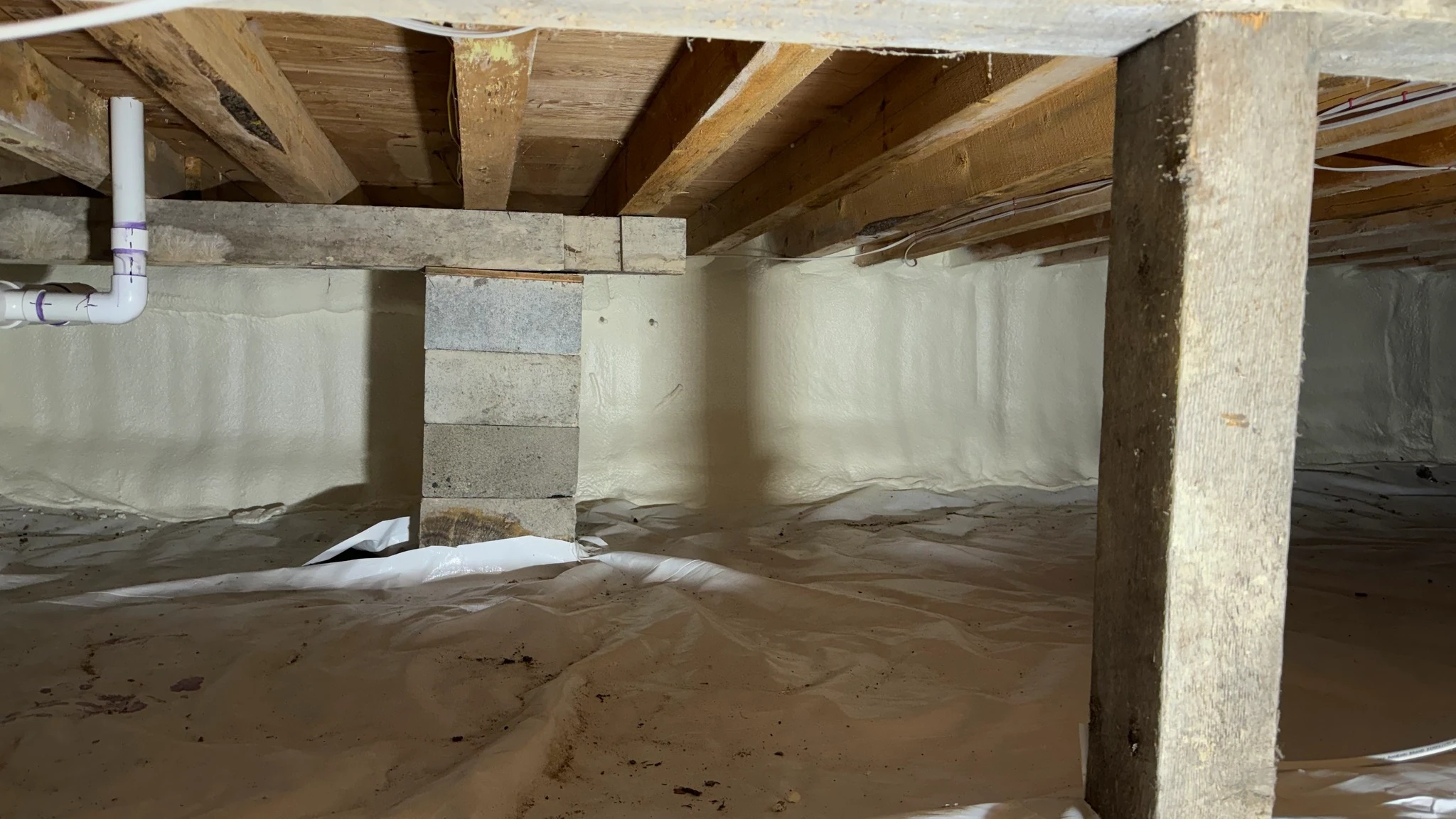
The attic is the number one priority. After the attic, focus on crawl spaces and basement rim joists. These areas are major sources of energy loss and are often overlooked.
Does insulation degrade over time?
Yes. Fiberglass batt insulation can settle and compress, losing some of its R-value. Cellulose can also settle. Insulation can also be damaged by moisture from roof leaks or by pests, both of which can ruin its effectiveness.
Is it better to add more insulation on top of old insulation or replace it?
This depends entirely on the condition of the existing insulation. If the old material is dry, clean, and free of mold or pest contamination, you can usually add new insulation directly on top of it. If it is damaged, wet, or compressed, it should be removed before new material is installed.
Spray foam insulation delivers superior indoor comfort in Kalispell homes by maintaining consistent temperatures year-round and eliminating drafts and moisture…