How open-cell spray foam keeps your upstairs bedrooms cooler in summer
admin-wegnerinsulation
January 19th, 2026
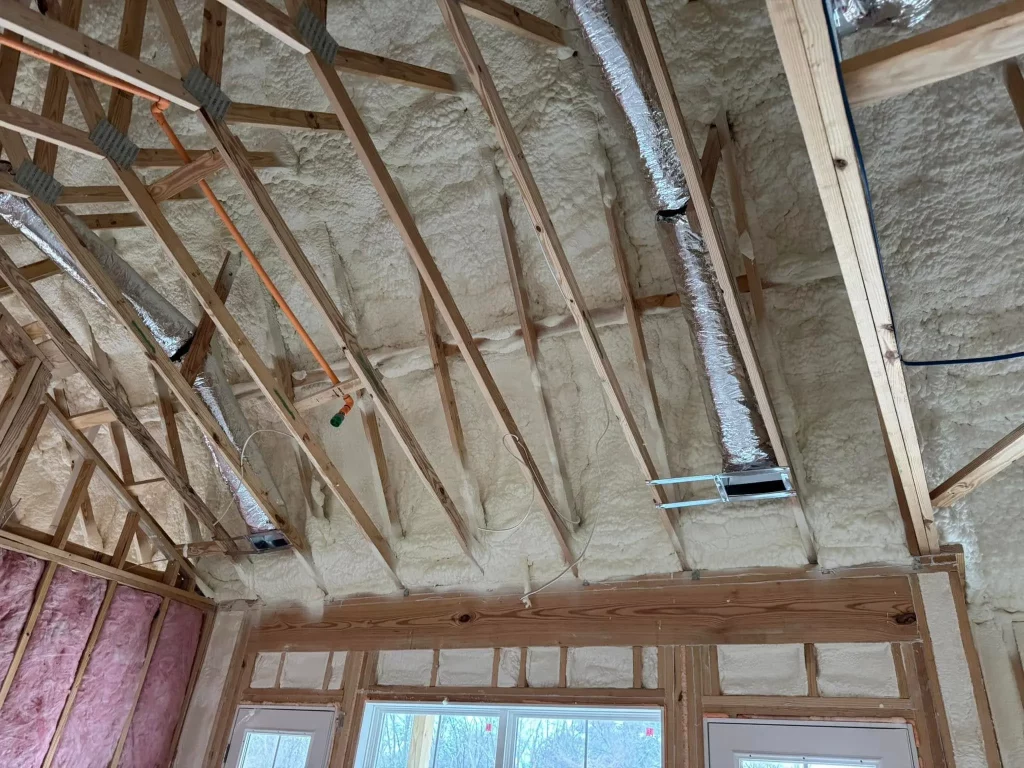
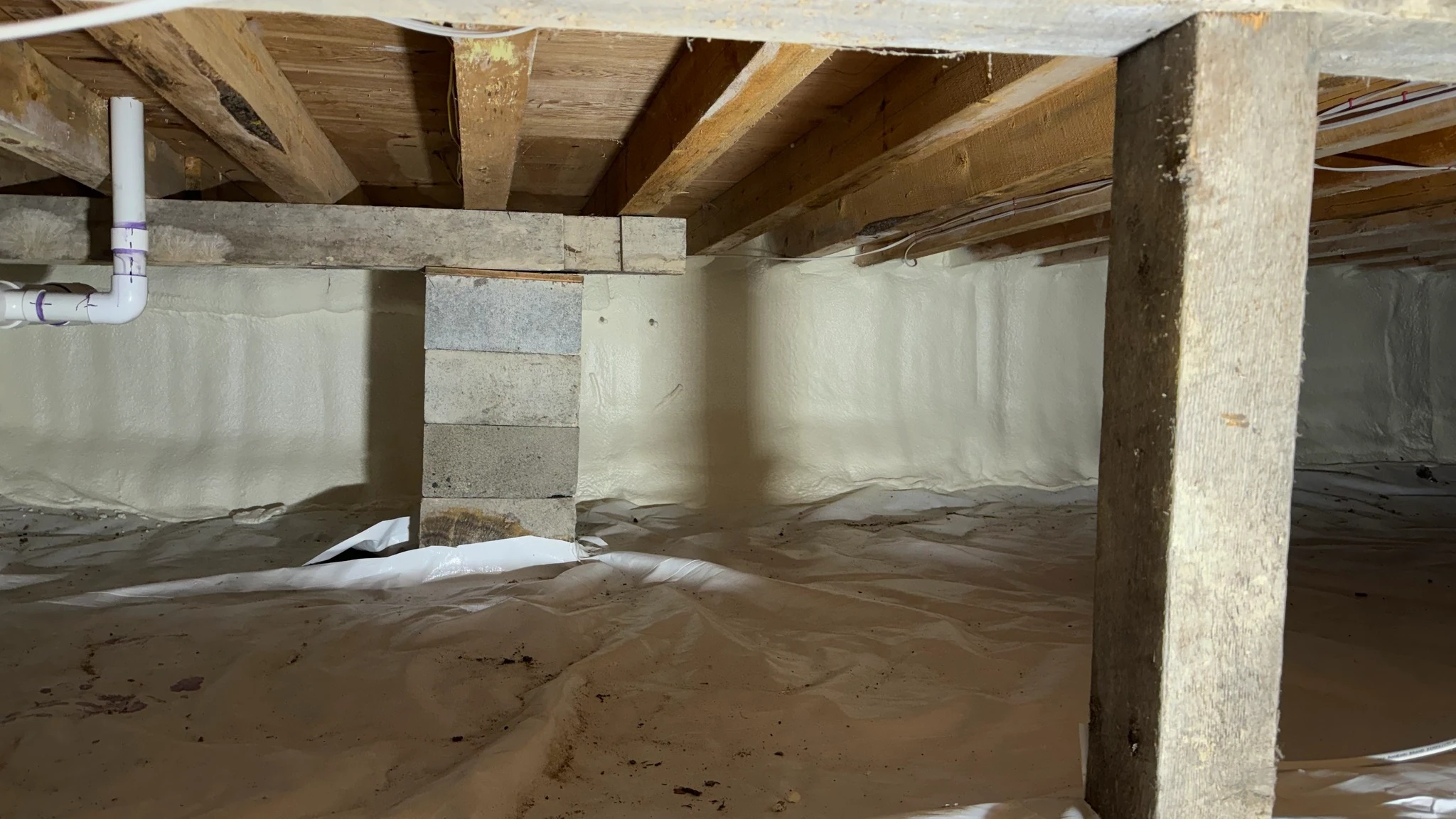
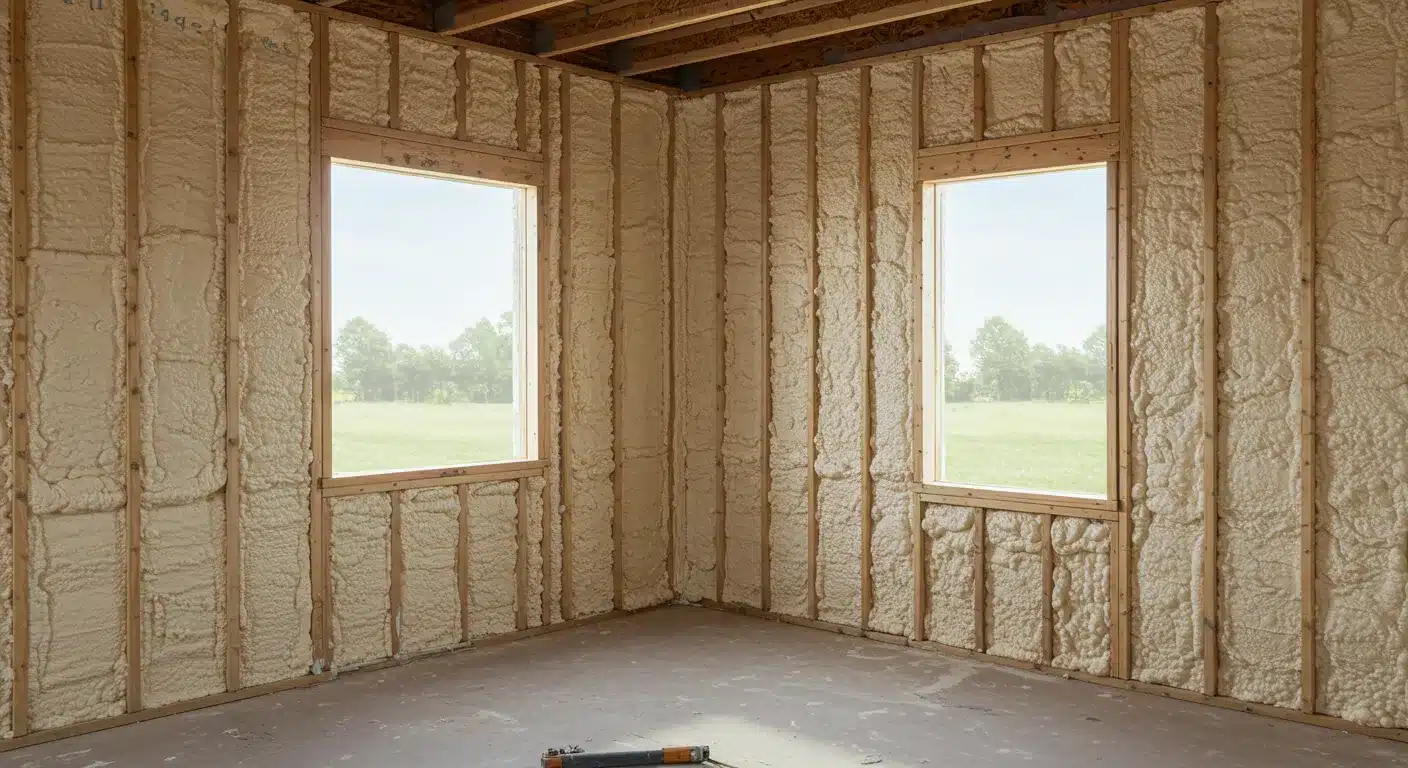
Open-cell spray foam insulation keeps upstairs bedrooms cooler in summer by creating an air-sealed barrier that blocks heat transfer from the attic and prevents conditioned air from escaping. The foam’s cellular structure traps air pockets, which act as thermal barriers, while simultaneously sealing gaps and cracks that would allow hot attic air to infiltrate living spaces. This combination of insulation and air sealing significantly reduces the heat load on upper floors where temperatures typically run highest.
Understanding how this insulation technology works can help homeowners make informed decisions about cooling solutions for the hottest rooms in their homes. The information presented here comes from years of hands-on installation experience and technical knowledge of building science principles.
The Science Behind Open-Cell Spray Foam
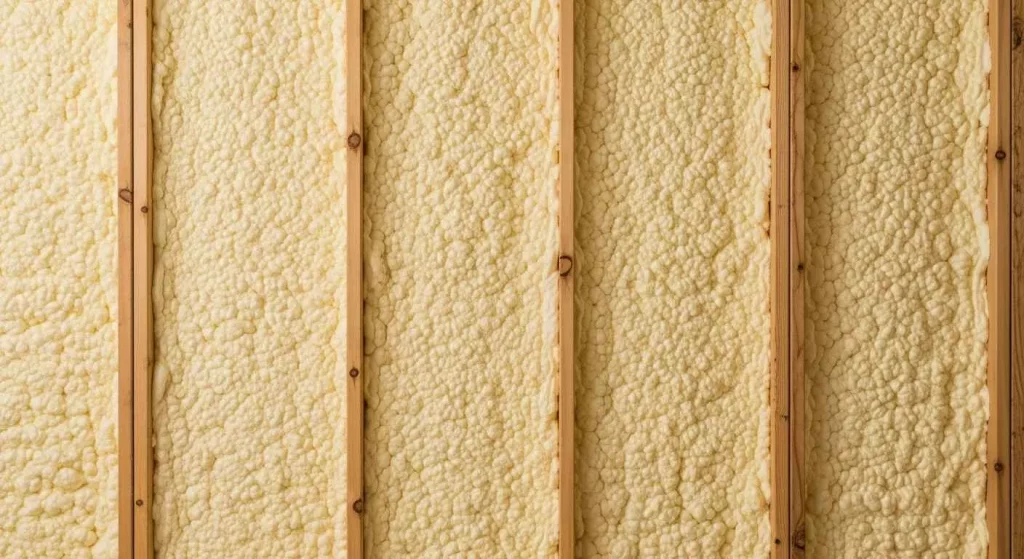
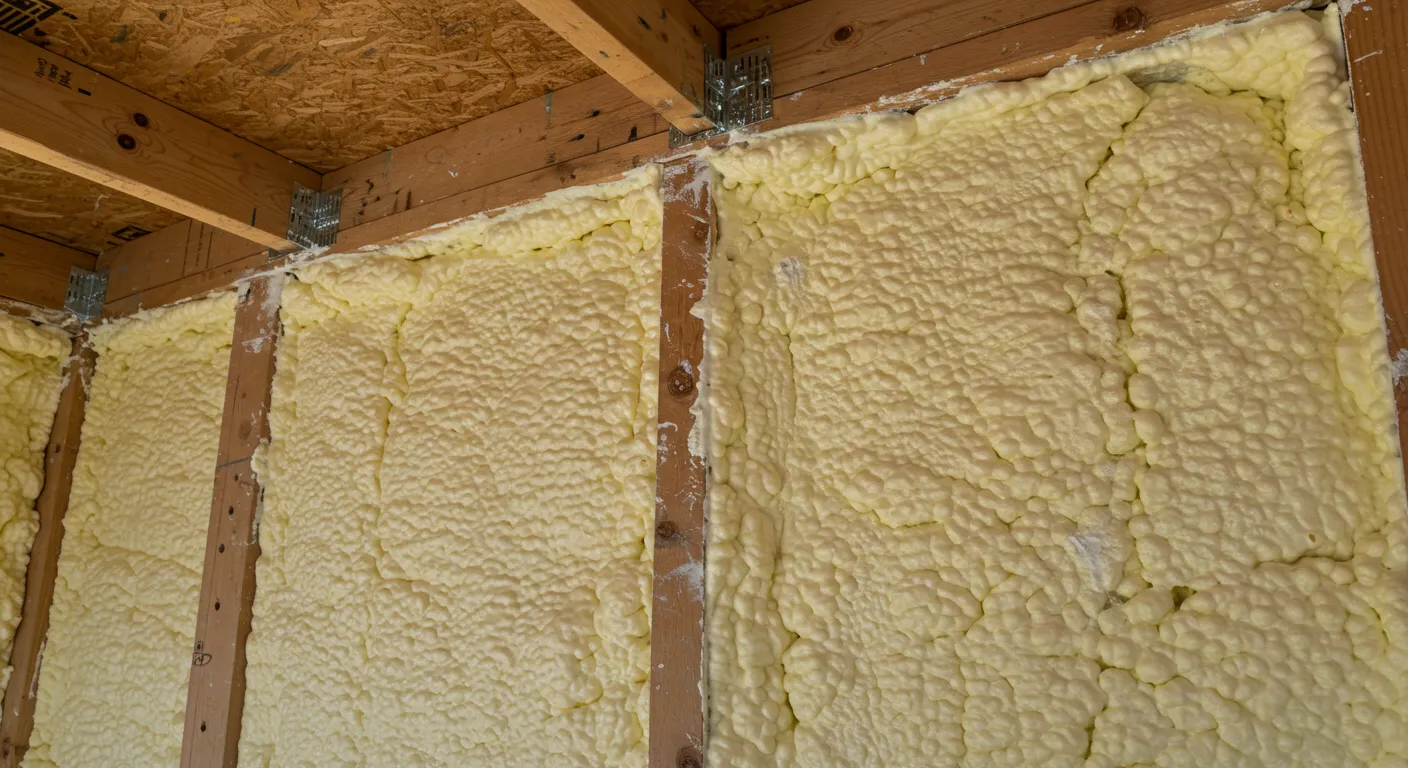
Open-cell spray foam insulation consists of tiny, partially open cells that expand and fill cavities thoroughly. When applied, the foam expands up to 100 times its initial volume, creating a seamless barrier that conforms to irregular shapes and spaces. This expansion capability means it can reach areas where traditional insulation materials leave gaps or voids.
The R-value of open-cell spray foam typically ranges from 3.5 to 3.8 per inch, which provides substantial thermal resistance. More importantly, the foam’s air sealing capabilities create a continuous thermal barrier that eliminates convective heat loss and gain. According to research from the Building Science Corporation, proper air sealing can reduce cooling loads by up to 25% in many climates.
Why Upstairs Bedrooms Get Hotter
Upper floors experience more heat gain for several physical reasons. Hot air naturally rises through convection, accumulating in upper levels. Additionally, roof surfaces absorb significant solar radiation, which transfers to the attic space and subsequently to the bedrooms below. This problem compounds in homes with inadequate attic insulation or poor ventilation.
The temperature difference between the first and second floors can often exceed 10 degrees in poorly insulated homes. This disparity forces HVAC systems to work harder, increasing energy consumption and reducing overall comfort. Traditional fiberglass batts often settle over time, creating gaps that allow air movement and heat transfer, further exacerbating the problem.
How Open-Cell Foam Reduces Heat Transfer
Open-cell spray foam addresses heat transfer through three primary mechanisms: conduction, convection, and radiation. The foam’s cellular structure creates countless tiny air pockets that slow conductive heat flow. The material’s ability to expand and fill gaps prevents convective air movement between spaces, eliminating the drafts that can make rooms feel uncomfortable.
Perhaps most importantly, the foam blocks radiant heat transfer from the roof assembly. Creating a continuous thermal barrier prevents the sun’s energy from penetrating into living spaces. During summer months, this means significantly less heat entering through ceilings and attic spaces, resulting in cooler bedrooms without overworking the air conditioning system.
Bonus Tip
Installation quality matters more than the specific R-value. A properly installed application that achieves full cavity coverage will outperform a theoretically higher R-value material with gaps or compression.
Insulation Type Comparison
Insulation Type
R-Value per Inch
Air Sealing Capability
Moisture Permeability
Open-Cell Foam
3.5-3.8
Excellent
High (permeable)
Closed-Cell Foam
6.0-7.0
Excellent
Low (semi-impermeable)
Fiberglass Batts
3.2-3.8
Poor
High
Cellulose
3.2-3.8
Fair
High
This comparison shows why open-cell foam offers particular value for cooling applications. While closed-cell foam provides a higher R-value, open-cell foam’s vapor permeability makes it suitable for mixed climates where moisture management concerns exist. The combination of decent R-value and superior air sealing creates effective thermal performance at a reasonable cost point.
Things to Consider Before Making a Decision
Before choosing open-cell spray foam for your home, several factors warrant consideration. The material’s vapor permeability makes it suitable for many climates but inappropriate for others, particularly in very cold regions where interior moisture might condense within the insulation assembly. Homes in mixed or cooling-dominated climates typically benefit most from open-cell’s characteristics.
The installation process requires professional expertise and proper safety equipment. Spray foam application releases volatile organic compounds during curing, which necessitates respiratory protection and adequate ventilation. Additionally, the foam expands significantly during application, which can cause structural damage if not properly controlled by experienced installers.
Cost represents another significant factor. While spray foam generally provides better performance per inch than traditional materials, the upfront investment is considerably higher. However, Energy Star reports that proper insulation and air sealing can save homeowners up to 15% on heating and cooling costs, potentially recouping the initial investment over time.
Bonus Tip
Consider your home’s existing HVAC capacity. Proper insulation may allow downsizing of cooling equipment, providing additional long-term savings that offset insulation costs.
Bonus Tip
Check for local utility rebates or tax incentives. Many regions offer financial incentives for installing energy-efficient insulation, which can reduce the net cost significantly.
Making the Right Choice for Your Home
The decision to install open-cell spray foam involves balancing immediate costs against long-term benefits in comfort and energy efficiency. For homeowners struggling with hot upstairs bedrooms during summer months, this insulation technology offers a comprehensive solution that addresses both heat gain and air leakage issues.
Before proceeding, evaluate your specific situation: climate zone, home construction, existing insulation, and budget constraints. Consider consulting with multiple qualified contractors to understand how spray foam would integrate with your home’s systems. The best insulation choice depends as much on proper installation as on the material itself.
Remember that insulation is just one component of a comprehensive cooling strategy. Proper ventilation, reflective roofing, and shading solutions all contribute to comfortable upper floors. However, addressing the thermal envelope through quality insulation often provides the most significant improvement with lasting benefits for home comfort and energy efficiency.
Need Professional Guidance?
For homeowners considering spray foam insulation for cooling their upstairs bedrooms, Wegner Insulation provides technical consultations and professional installation services. Contact Anthony at [email protected] or call (406) 654-4636 to discuss your specific situation and determine whether open-cell spray foam offers the right solution for your home’s cooling challenges. Expert assessment can help you understand the potential benefits and costs for your particular circumstances.
FAQS
How thick should open-cell spray foam be for optimal cooling performance?
Most applications require 5-6 inches of open-cell foam to achieve R-21, which meets or exceeds most code requirements for ceiling insulation. However, optimal thickness depends on your specific climate zone and home design.
Does open-cell spray foam require special ventilation?
Yes, spray foam reduces natural air exchange, so mechanical ventilation becomes more important. Energy recovery ventilators or heat recovery ventilators help maintain indoor air quality while preserving the insulation benefits.
Can open-cell foam be installed over existing insulation?
In most cases, existing insulation should be removed before spray foam application. The foam needs direct contact with building surfaces to provide optimal air sealing and thermal performance.
How long does the installation process take?
Typical residential projects take 1-2 days, depending on the area to be insulated. The foam cures quickly, but homeowners should plan to vacate the property for 24 hours after installation due to curing emissions.
Is open-cell spray foam environmentally friendly?
Many manufacturers now use water as the blowing agent rather than hydrofluorocarbons, significantly reducing environmental impact. Some products incorporate recycled or bio-based materials, further improving their environmental profile.
Sources
Building Science Corporation – Research organization providing scientific information on building performance, including studies on air sealing and insulation effectiveness.
Energy Star – U.S. Environmental Protection Agency program offering information on energy efficiency, including data on insulation savings and home performance.
U.S. Department of Energy – Federal resource providing technical information on insulation materials, R-values, and energy efficiency recommendations for residential buildings.
Spray foam insulation delivers superior indoor comfort in Kalispell homes by maintaining consistent temperatures year-round and eliminating drafts and moisture…