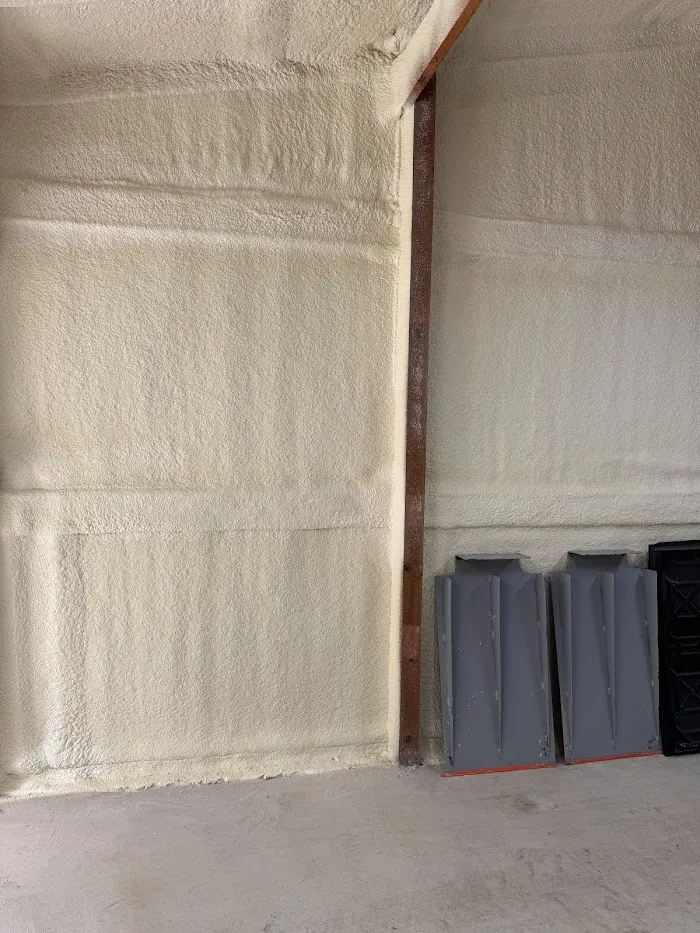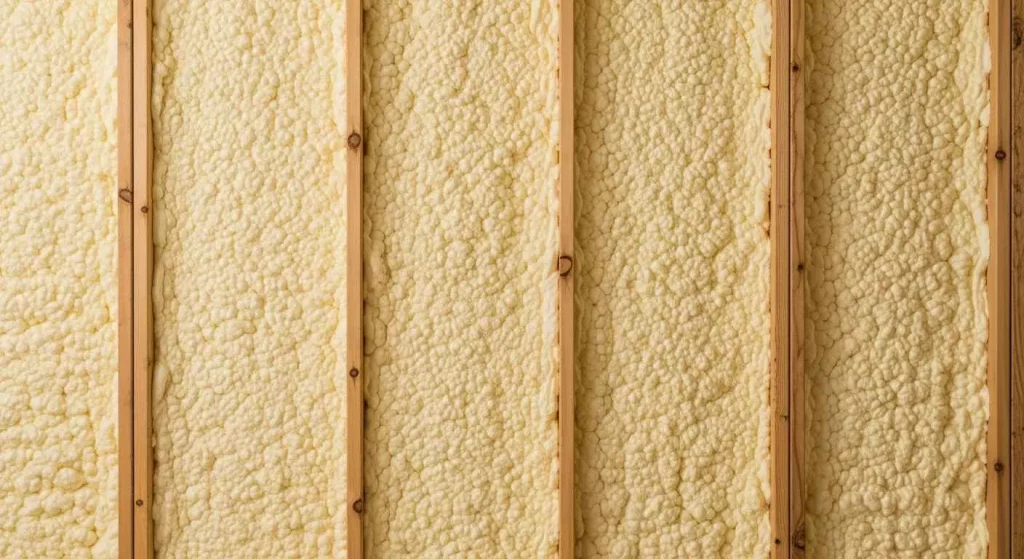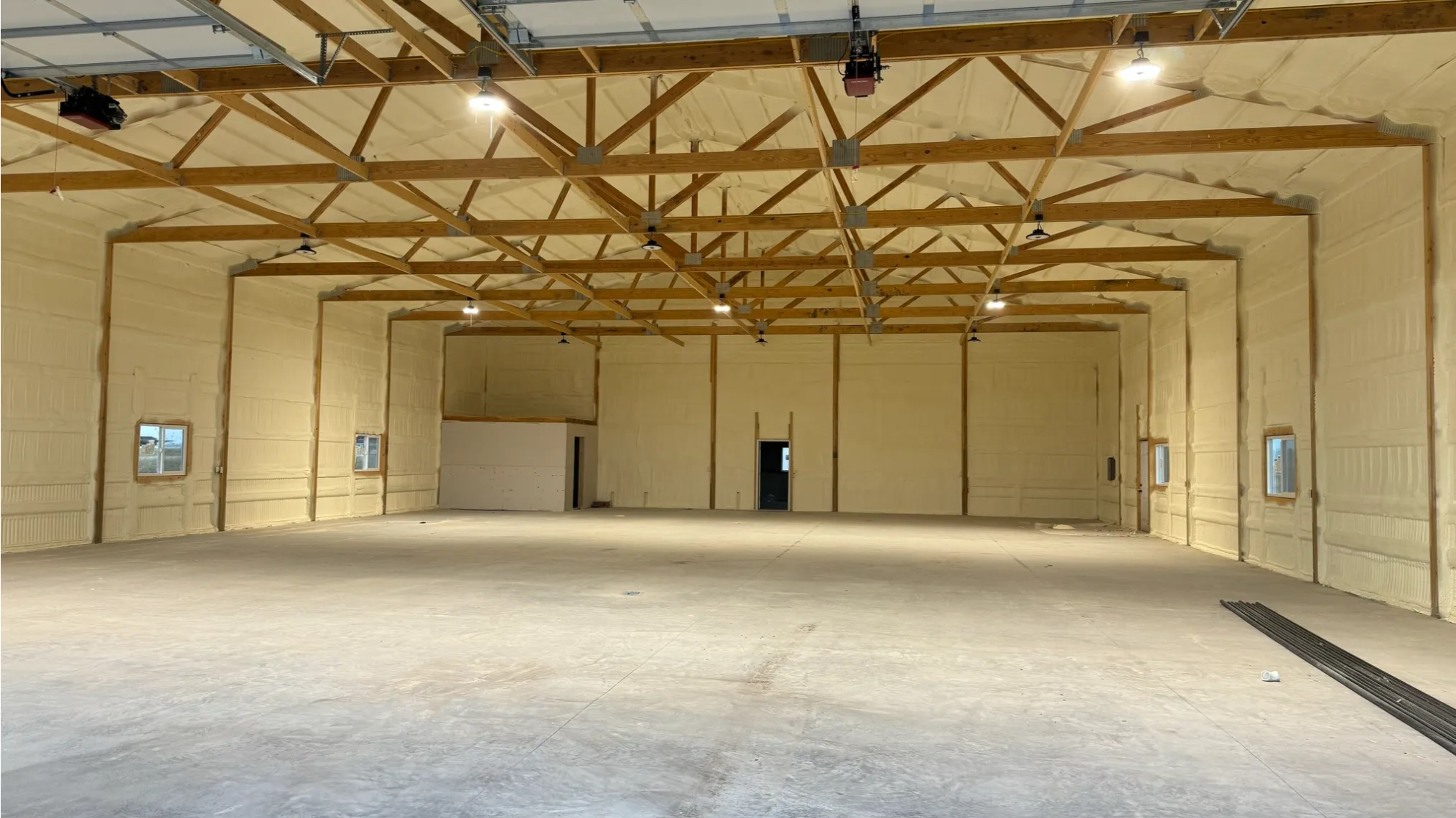
What is the Real Cost of Closed-Cell Spray Foam Insulation in Kalispell Homes
Closed-cell spray foam insulation in Kalispell homes costs between $1.00 and $1.25 per square foot per inch of thickness installed,…



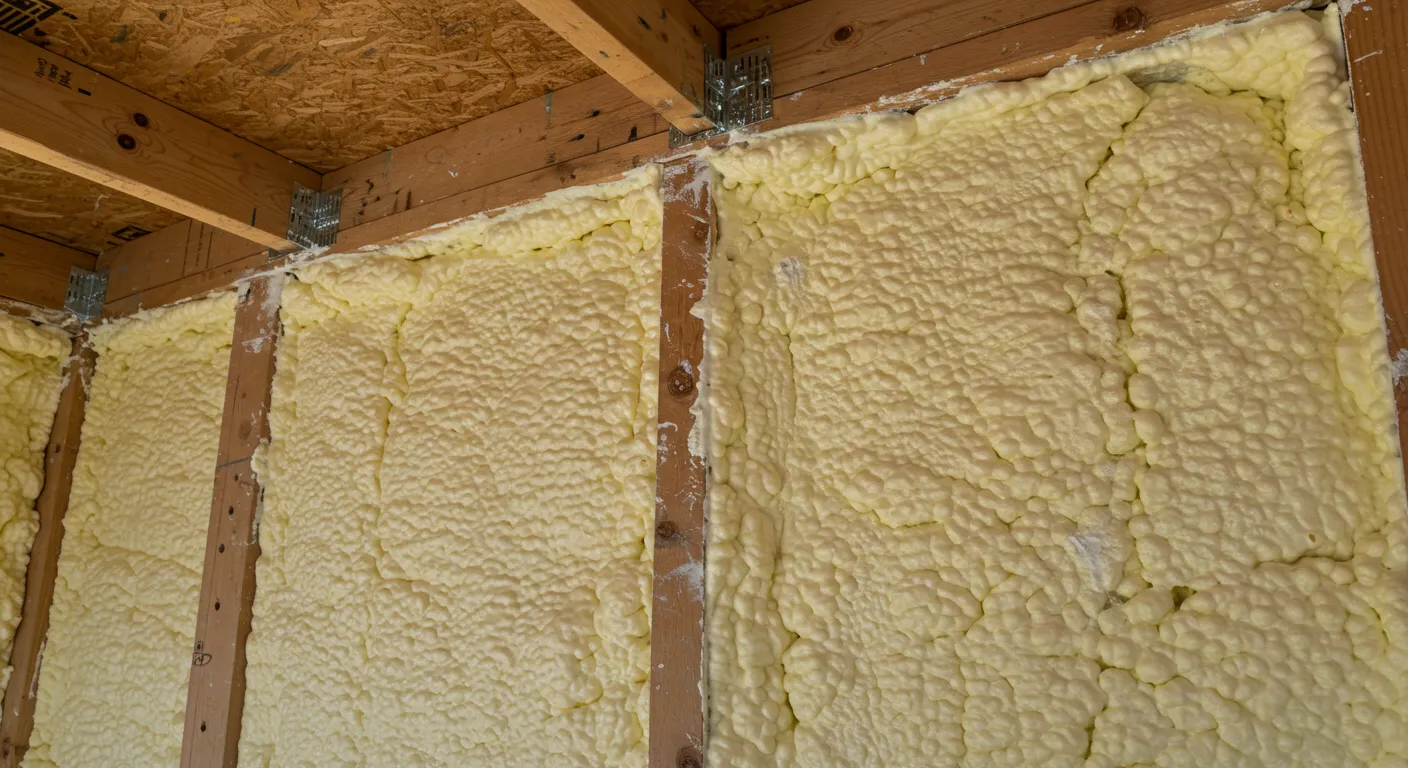
Open-cell spray foam insulation is preferred for sound dampening in Whitefish, MT due to its unique cellular structure that effectively absorbs and dissipates sound waves while simultaneously providing thermal insulation. The material’s open-cell network creates millions of tiny air pockets that trap sound vibrations, reducing noise transmission through walls, ceilings, and floors. This makes it particularly valuable for Whitefish homes where mountain winds, seasonal temperature changes, and nearby recreational activities can create unwanted noise. Wegner Insulation has installed this material in numerous local properties, consistently achieving superior acoustic performance compared to traditional insulation options.
The following guide explores the technical aspects, regional considerations, and practical applications of open-cell spray foam for sound control in Whitefish’s unique climate and building environment.
Open-cell spray foam reduces sound through a combination of absorption and energy dissipation. When sound waves hit the foam surface, they enter the interconnected cell structure and lose energy as they bounce off the polymer walls. According to research from the Insulation Institute, open-cell spray foam can reduce sound transmission by up to 20 decibels, making conversations and daily activities significantly quieter. The material’s low density (approximately 0.5 pounds per cubic foot) allows it to absorb low-frequency sounds particularly well, which is crucial for reducing bass-like noises from traffic or HVAC systems.
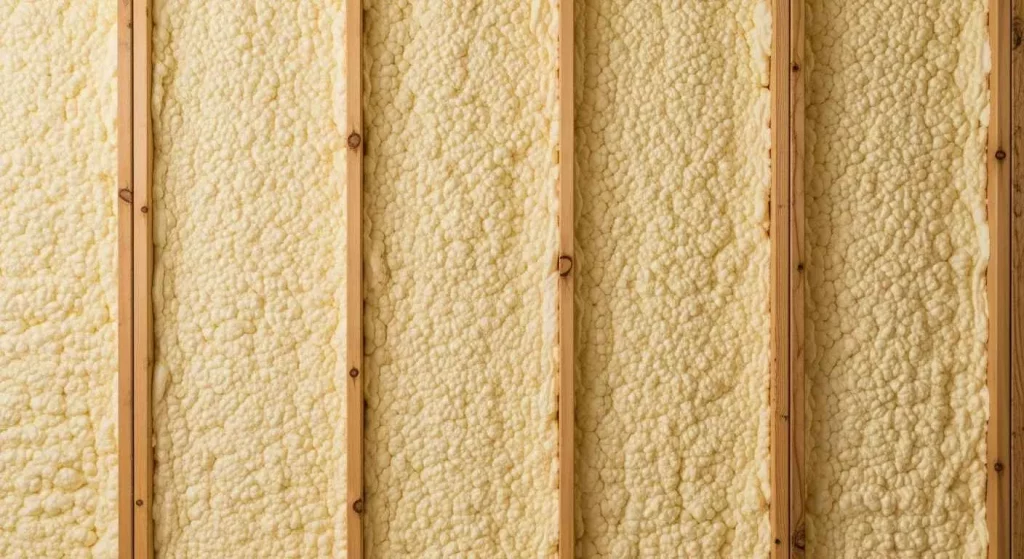
The foam expands to 100-150 times its liquid volume when applied, filling every gap and crack in wall cavities. This complete seal eliminates air pathways that normally carry sound between rooms. Unlike fiberglass batts that can leave voids or settle over time, spray foam maintains consistent coverage and performance for decades.
Understanding how open-cell spray foam compares to other insulation options helps homeowners make informed decisions about their sound control needs. The table below demonstrates the relative effectiveness of different materials commonly used in Whitefish construction.
| Material Type | Sound Reduction (STC Rating) | Thermal Performance | Best Applications |
|---|---|---|---|
| Open-cell Spray Foam | 40-45 | R-3.6 per inch | Interior walls, ceilings, and between floors |
| Closed-cell Spray Foam | 35-38 | R-6.8 per inch | Exterior walls, foundations |
| Fiberglass Batts | 30-35 | R-3.2 per inch | Standard wall cavities |
| Mineral Wool | 38-42 | R-3.3 per inch | Studios, home theaters |
| Cellulose | 35-40 | R-3.2 per inch | Existing walls, attics |
The Building Science Corporation measures how well materials reduce airborne sound. Higher numbers indicate better performance. Open-cell spray foam’s superior STC rating, combined with its thermal efficiency, makes it the preferred choice for homeowners seeking both sound control and energy savings in Whitefish’s variable climate.
Whitefish presents unique sound-control challenges, making open-cell spray foam particularly suitable. The area experiences strong seasonal winds that can create noise infiltration through even small gaps in building envelopes. Data from the National Oceanic and Atmospheric Administration show that Whitefish experiences average wind speeds of 10-15 mph during the winter months, which can cause whistling and rattling in poorly sealed structures.
The town’s proximity to recreational areas and ski resorts means periodic increases in vehicle traffic and visitor activity. Homes near Flathead Lake or Whitefish Mountain Resort benefit significantly from the additional sound barrier that spray foam provides. Furthermore, Whitefish’s temperature swings – from -20°F in winter to 90°F in summer – cause building materials to expand and contract, potentially creating new sound pathways over time. Open-cell spray foam’s flexibility allows it to move with the structure without cracking or losing its seal.
Local building codes in Flathead County have increasingly recognized the importance of sound control, especially in multi-family developments near downtown Whitefish. Wegner Insulation has observed that properties using open-cell spray foam consistently pass inspection requirements for sound transmission between units.
Proper installation of open-cell spray foam requires specific temperature and humidity conditions for optimal performance. The material should be applied when substrate temperatures are between 60-80°F and humidity levels below 85%. In Whitefish, this means scheduling installations during the spring through fall months or using climate control for winter applications.
The application involves mixing two liquid components at the spray gun tip, creating an exothermic reaction that expands the foam. Professional installers must wear protective equipment, including respirators, gloves, and full-body suits, due to the chemical fumes during application. The foam reaches 90% of its expansion within seconds but requires 24 hours to fully cure before additional construction activities can begin.
Before choosing open-cell spray foam for sound dampening, homeowners should evaluate several key factors. The initial cost is higher than traditional insulation, but the combined benefits of sound control and thermal efficiency often result in payback periods of 5-7 years through energy savings alone.
Bonus Tip: For maximum sound reduction between rooms, consider a double-stud wall assembly with open-cell spray foam filling the cavity and an additional layer of 5/8-inch drywall with Green Glue compound on the interior side. This assembly can achieve STC ratings above 55, making speech unintelligible between spaces.
Building compatibility is another consideration. Open-cell spray foam works best with wood framing and is not recommended for direct contact with masonry or metal without proper preparation. The material requires a vapor barrier on the warm side in Whitefish’s cold climate, which adds complexity to the installation.
Bonus Tip: In existing Whitefish homes where wall access is limited, technicians can drill small holes between studs and inject spray foam through specialized nozzles, providing sound improvement without complete wall demolition. This approach works particularly well for reducing noise from plumbing or HVAC systems.
Bonus Tip: When soundproofing home offices or recording spaces in Whitefish, treat parallel surfaces with absorptive materials in addition to spray foam insulation. This prevents echo and standing waves within the room itself.
Open-cell spray foam insulation offers Whitefish homeowners a scientifically proven solution for sound control that also delivers superior thermal performance. Its unique ability to fill every gap and crack addresses both airborne sound infiltration and the structural pathways that carry noise between rooms. The material works particularly well in Whitefish’s climate, accommodating temperature and humidity fluctuations without compromising its sealing properties.
Before making decisions about insulation upgrades, homeowners should assess their specific sound-control needs, budget constraints, and completion timeline. Professional evaluation of existing construction can identify the most problematic noise pathways and determine whether spray foam alone will achieve desired results or if additional acoustic treatments are necessary.
For homeowners in Whitefish considering sound-dampening solutions, a professional evaluation helps identify the most effective approach for their specific situation. Wegner Insulation provides comprehensive assessments that consider noise sources, building construction, and budget parameters to develop customized insulation strategies. Contact Anthony at [email protected] or call (406) 654-4636 to schedule a consultation and discuss how open-cell spray foam might address your sound control needs.
When properly installed and fully cured, open-cell spray foam is completely safe for homes. The material undergoes rigorous testing and meets all building code requirements for indoor air quality. Modern formulations use water as the blowing agent, reducing environmental impact compared to older chemical agents.
The distinct chemical odor typically dissipates within 24-72 hours after installation with proper ventilation. Using air filtration systems and maintaining good airflow during curing helps accelerate odor removal. Whitefish’s natural ventilation patterns through seasonal changes also aid this process.
Yes, open-cell spray foam is particularly effective at reducing mechanical noise from HVAC systems, furnaces, and ductwork. Sealing gaps around penetrations and lining mechanical chases, it prevents sound waves from traveling through structural pathways.
Open-cell spray foam requires virtually no maintenance once installed. It does not settle, degrade, or support mold growth. Periodic inspection of surrounding building materials is recommended, but the foam itself remains effective for the life of the building.
Whitefish real estate market data shows that homes with modern insulation solutions, including spray foam, often command higher prices and sell faster. The documented energy savings and comfort benefits appeal to buyers in this mountain community where utility costs can be high.