Why open-cell spray foam is the ideal choice for media rooms in Missoula, MT
admin-wegnerinsulation
January 19th, 2026
Open-cell spray foam insulation stands out as the superior choice for media rooms in Missoula due to its exceptional sound-dampening properties, moisture management capabilities, and thermal performance. The material’s unique structure traps air pockets that absorb sound waves, while its semi-permeable nature effectively handles Montana’s varying humidity levels. For homeowners seeking optimal acoustic isolation and climate control in their entertainment spaces, open-cell spray foam delivers unmatched performance compared to traditional insulation options.
This guide breaks down exactly why this insulation type transforms ordinary rooms into professional-grade media spaces. With extensive experience installing insulation solutions across western Montana, this information comes from years of hands-on work with local homeowners facing Missoula’s specific climate challenges and acoustic needs.
Understanding Open-Cell Spray Foam Properties
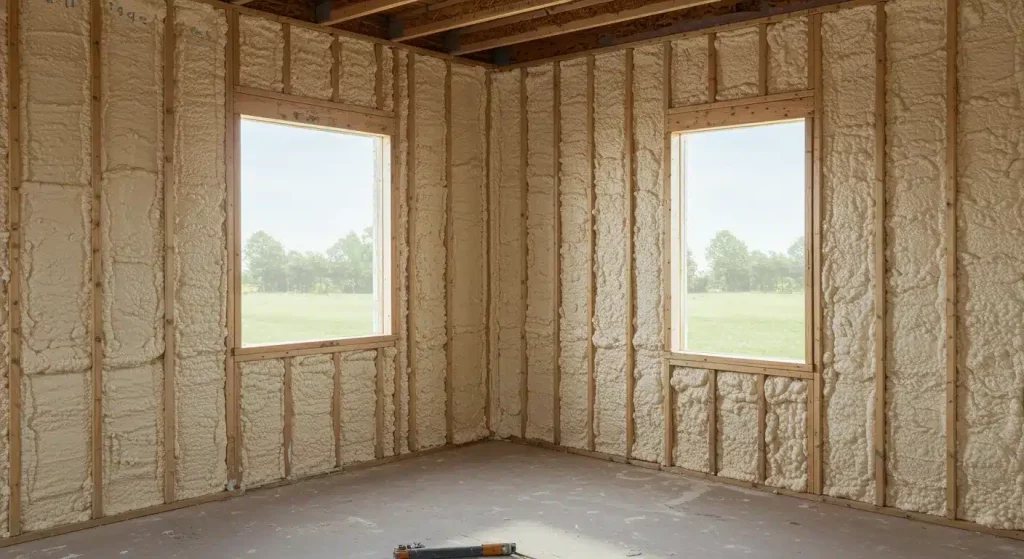
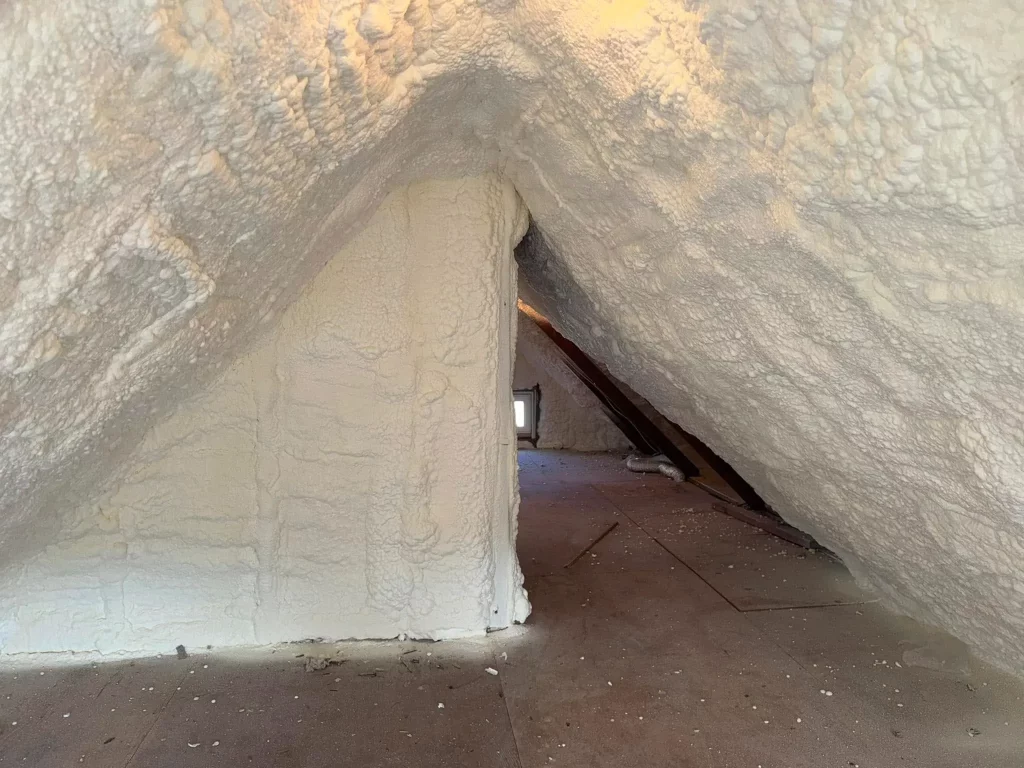
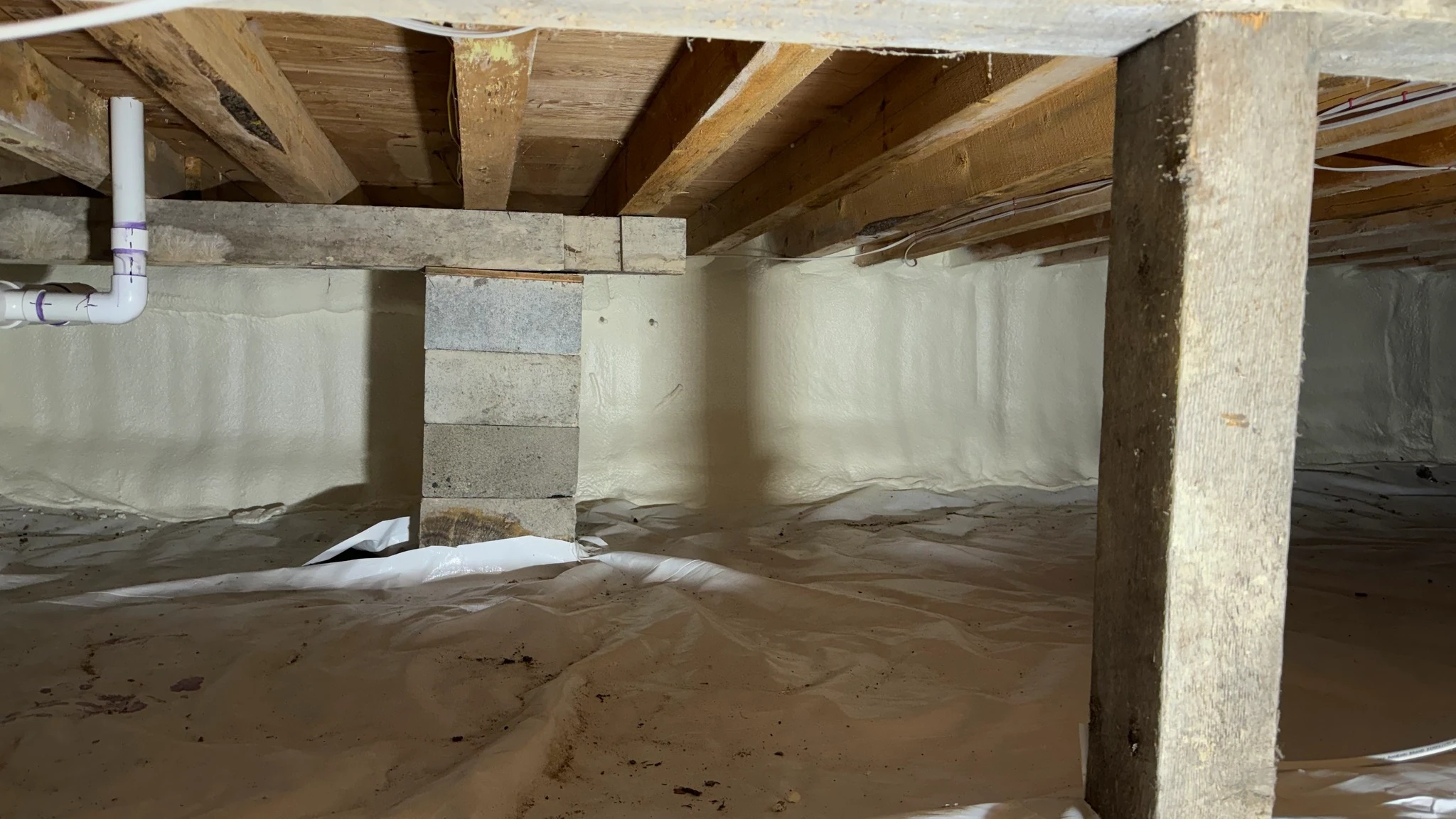
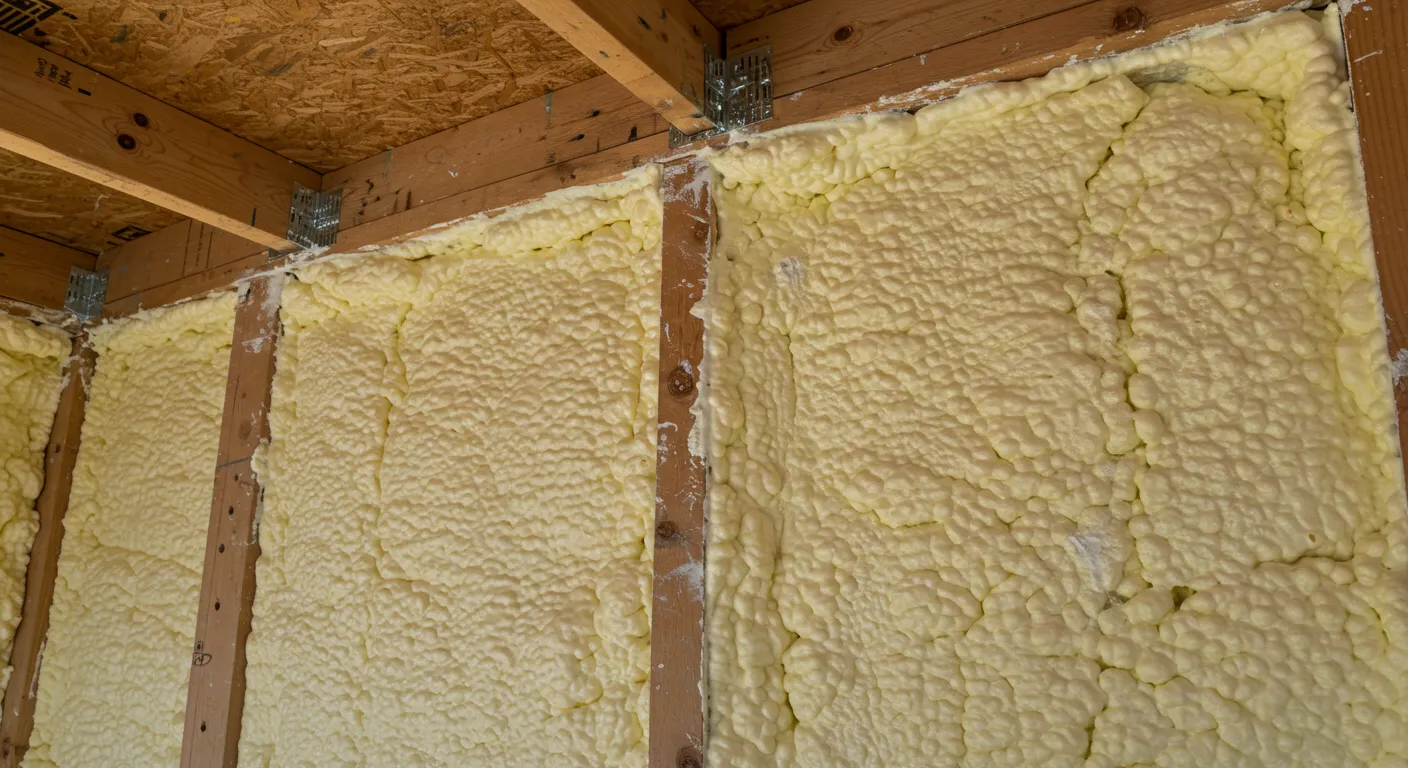
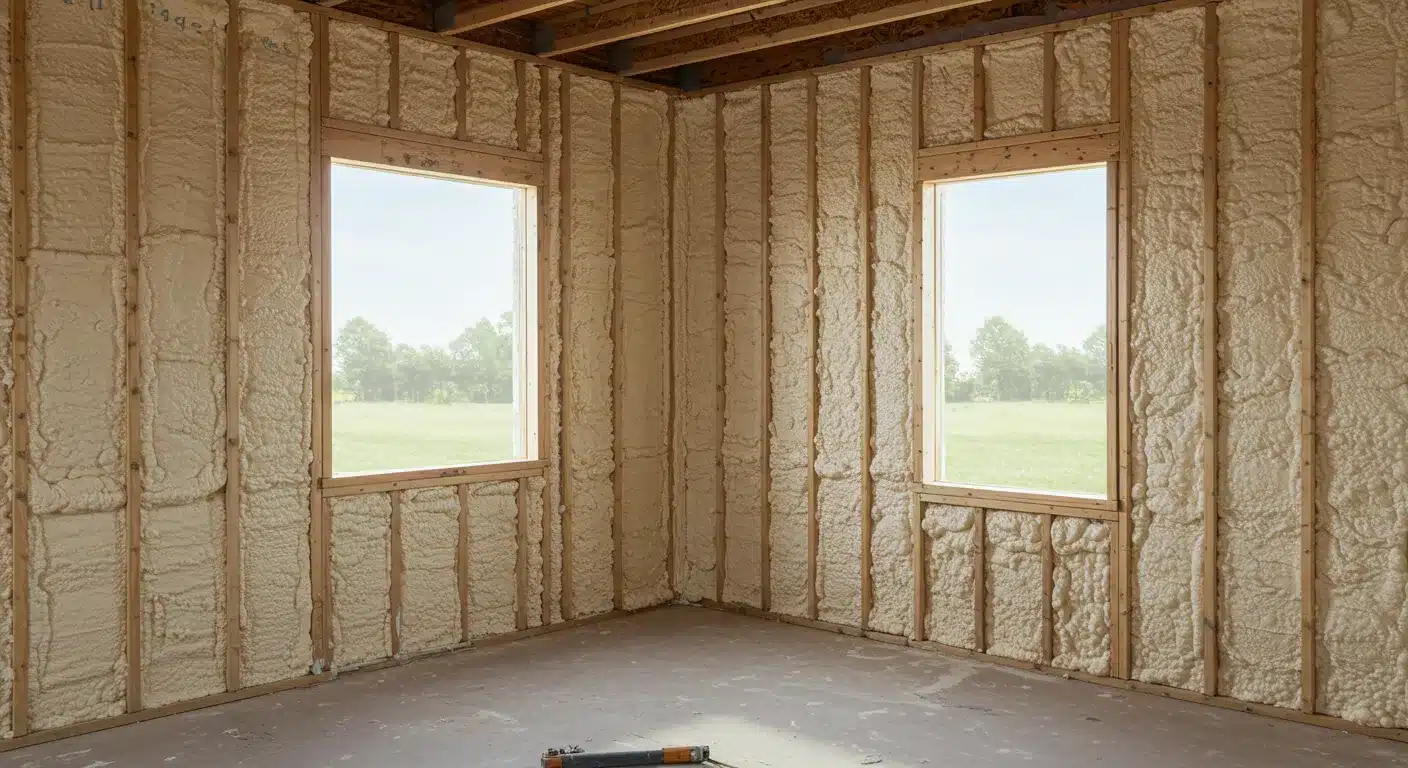
Open-cell spray foam consists of tiny cells that aren’t completely sealed, allowing air to fill the material’s voids. This structure creates a soft, sponge-like texture that expands dramatically during application, filling every crack and crevice. The foam typically has an R-value of around 3.5 to 3.6 per inch, lower than closed-cell alternatives but with distinct advantages for sound control.
The material’s sound-absorption properties result from its ability to trap sound waves within its cellular structure. Unlike dense materials that reflect sound, open-cell foam converts sound energy into heat through friction, effectively reducing noise transmission between rooms. This makes it particularly effective for media rooms where containing movie audio and preventing external disturbances are priorities.
Missoula’s climate presents specific challenges with temperatures ranging from -10°F in winter to 90°F in summer. Open-cell spray foam adapts to these fluctuations while maintaining consistent performance, unlike some insulation materials that can lose effectiveness in extreme conditions.
Acoustic Performance Comparison
Sound control matters most in media rooms, and not all insulation performs equally. The following comparison shows how different insulation types stack up for noise reduction:
Insulation Type
STC Rating (2×4 wall)
Sound Absorption
Air Sealing
Open-Cell Spray Foam
45-50
Excellent
Complete
Closed-Cell Spray Foam
35-40
Good
Complete
Fiberglass Batts
25-30
Fair
Poor
Mineral Wool
35-40
Good
Fair
Sound Transmission Class (STC) ratings measure how well building materials reduce sound transmission. Higher numbers indicate better sound isolation. Open-cell spray foam’s superior performance comes from its ability to both block airborne sound and absorb impact noise.
Moisture Management in Montana’s Climate
Missoula experiences significant humidity variations throughout the year, with average relative humidity ranging from 30% in winter to 65% in summer. Open-cell spray foam’s vapor-permeable nature allows moisture to escape while preventing air leakage, reducing condensation risks within wall assemblies.
According to research from the Spray Polyurethane Foam Alliance, open-cell spray foam has a perm rating of 10-20, allowing it to “breathe” while still providing excellent air sealing. This characteristic prevents moisture accumulation that could damage sensitive electronic equipment in media rooms or lead to mold growth within wall cavities.
The material’s moisture-handling capabilities also help maintain consistent indoor humidity levels, protecting both audio/video equipment and comfortable viewing conditions. Electronics function best when humidity stays between 30-50%, a range that’s easier to maintain with proper insulation.
Thermal Efficiency Benefits
Media rooms house heat-generating equipment like receivers, amplifiers, and displays that can significantly increase room temperatures. Open-cell spray foam’s air-sealing properties help manage this heat load while maintaining energy efficiency throughout the rest of the home.
The U.S. Department of Energy reports that proper air sealing can reduce heating and cooling costs by up to 15%. In Missoula’s climate, where heating season dominates from October through April, these savings accumulate quickly. The foam’s complete cavity filling eliminates air gaps that account for 40% of home energy loss in typical construction.
Temperature stability matters for media room performance. Audio equipment operates optimally within specific temperature ranges, and consistent temperatures prevent thermal expansion that could affect component longevity. Open-cell spray foam helps maintain this stability by preventing drafts and temperature fluctuations.
Installation Considerations for Media Rooms
Proper installation affects performance significantly. The application requires specialized equipment and trained technicians to achieve the right thickness and coverage. For media rooms, most installers recommend 3.5-5 inches of open-cell spray foam in exterior walls and 5-7 inches in ceiling cavities for optimal acoustic and thermal performance.
Bonus Tip: Focus extra thickness on shared walls between the media room and adjacent living spaces. An additional inch of foam can improve sound isolation by 2-3 STC points, making a noticeable difference in noise control.
Electrical boxes and penetration points require special attention during installation. Pre-planning helps technicians work around wiring while maintaining a complete cavity fill. Some professionals recommend installing low-voltage conduits before foam application to preserve wire access for future upgrades.
Things to Consider Before Making a Decision
Open-cell spray foam requires specific building conditions for optimal results. The material needs temperatures above 60°F during application, which can limit scheduling during Missoula’s cold months. Professional installation costs more upfront than traditional insulation, though energy savings typically offset this difference within 5-7 years.
The material’s expansion properties require careful planning around windows and doors. Excessive pressure can distort frames if installation parameters aren’t strictly adhered to. This means working with experienced installers who understand local building practices and climate conditions.
Space requirements factor into decisions, too. Open-cell foam requires greater depth than closed-cell foam to achieve comparable R-values. This might reduce interior living space slightly, though the superior sound performance often justifies this trade-off in media rooms.
Regional Considerations for Missoula Properties
Missoula’s unique geographic position in the Clark Fork River valley creates microclimates that affect insulation performance. Areas closer to water bodies experience different humidity patterns than higher elevations. Local building codes also address seismic considerations that influence insulation attachment methods.
The Montana Climate Office reports that Missoula receives an average of 44 inches of snow annually, with winter temperatures regularly dropping below freezing. These conditions emphasize the importance of complete air sealing to prevent ice dams and associated water damage. Open-cell spray foam’s air barrier properties help reduce the warm air leakage that contributes to ice dam formation.
Local utility companies offer rebates for energy efficiency improvements, including spray foam insulation. NorthWestern Energy Efficiency Plus program provides incentives that can reduce installation costs by 10-25%, making the investment more accessible for homeowners.
Bonus Tip: Install fire blocking at top plates before foam application in retrofit situations. This prevents foam from expanding into unintended spaces while maintaining proper fire separation between floors.
Final Thoughts
Open-cell spray foam insulation provides the combination of sound control, moisture management, and thermal efficiency that makes it ideal for Missoula media rooms. The material addresses the specific challenges of Montana’s climate while creating the acoustic isolation needed for immersive entertainment experiences.
Homeowners should evaluate their specific needs regarding sound isolation, energy efficiency goals, and budget considerations. Consulting with local insulation professionals familiar with Missoula’s building practices helps ensure optimal results that balance performance and cost-effectiveness.
The long-term benefits of consistent comfort, equipment protection, and energy savings make open-cell spray foam a worthwhile investment for serious home theater enthusiasts. Proper installation by experienced technicians ensures these benefits are realized while maintaining structural integrity and building code compliance.
Get Expert Help With Your Media Room Project
For professional guidance on insulating your media room in the Missoula area, contact Wegner Insulation at [email protected] or call (406) 654-4636. Our team can assess your specific project requirements and provide detailed recommendations based on years of local experience with Montana’s unique insulation challenges.
FAQS
Does open-cell spray foam support home theater wiring?
Yes, but proper planning helps. Install conduit before foam application for accessible wire paths. The foam holds low-voltage cables securely in place while allowing some flexibility for adjustments.
How long does installation take?
Most media rooms require 1-2 days for preparation and application. The foam cures within minutes but requires 24 hours to reach full expansion properties before finishing work can begin.
Can it be painted directly?
No, open-cell foam requires a protective coating for UV resistance. In media rooms, drywall installation over the foam provides both protection and additional sound isolation through mass and decoupling.
How does it affect indoor air quality?
When properly installed and cured, open-cell spray foam contributes positively to indoor air quality by preventing outdoor pollutants from entering through air gaps. The material is inert once fully cured and doesn’t off-gas harmful chemicals.
Is it worth the cost for just one room?
For dedicated media rooms, the acoustic benefits alone justify the investment for many homeowners. The energy savings extend beyond the media room to improve overall home efficiency, providing additional return on investment.
Sources
Spray Polyurethane Foam Alliance – Industry organization providing technical specifications and performance data for spray foam insulation products
Montana Climate Office – Official source for Montana climate data including temperature, humidity, and precipitation patterns specific to Missoula
NorthWestern Energy Efficiency Plus – Montana utility program offering rebates and incentives for energy efficiency improvements including insulation upgrades
Spray foam insulation delivers superior indoor comfort in Kalispell homes by maintaining consistent temperatures year-round and eliminating drafts and moisture…