8 areas in your home where open-cell spray foam works best
admin-wegnerinsulation
January 19th, 2026
Open-cell spray foam insulation performs best in eight specific home areas: attics, crawl spaces, interior walls, basements, roof decks, rim joists, cathedral ceilings, and garage ceilings. These locations benefit from open-cell foam’s unique combination of air sealing, moisture permeability, and sound-dampening properties. The material expands to fill gaps and cracks, creating a continuous thermal barrier while still allowing moisture to escape, which prevents mold and structural issues.
This article provides detailed guidance on each application area, helping homeowners make informed decisions about insulation upgrades. The information comes from extensive field experience with spray foam installations across various climate zones and building types.
Attics and Roof Assemblies
Attics represent one of the most effective applications for open-cell spray foam. When applied to the roof deck rather than the attic floor, open-cell foam creates a conditioned attic space that improves overall home efficiency. This approach works particularly well in homes with HVAC equipment in the attic, as it protects mechanical systems from extreme temperatures.
Open-cell foam’s vapor-permeable nature allows roof assemblies to dry properly, preventing moisture accumulation that can lead to rot or mold. In mixed and humid climates, this breathing characteristic becomes especially valuable. The material also provides excellent sound reduction from outside noise, like rain or hail.
Bonus Tip: In hot climates, applying 6-8 inches of open-cell foam directly to the roof deck can reduce attic temperatures by 30-40 degrees compared to traditional insulation methods.
Crawl Spaces and Rim Joists
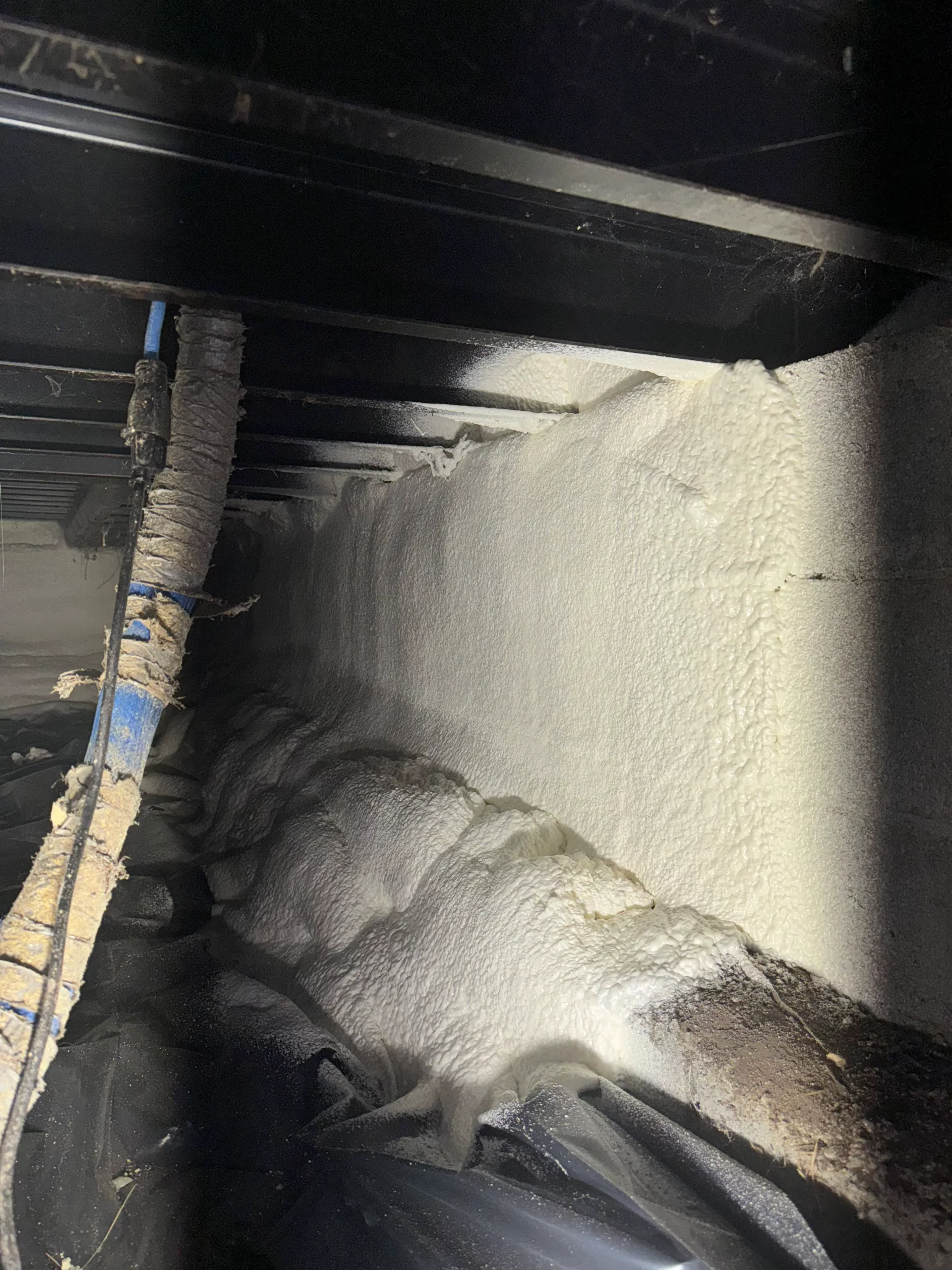
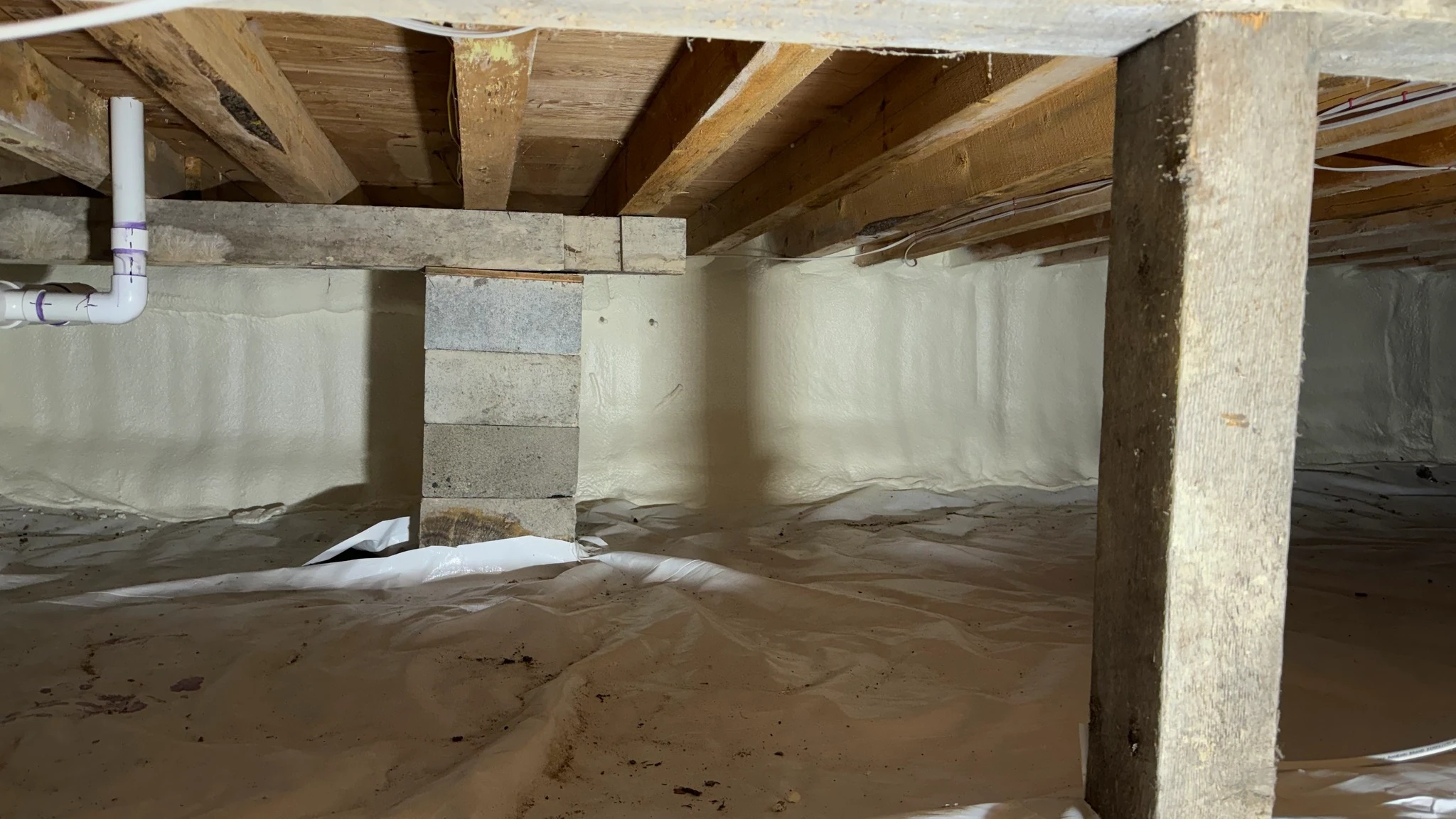
Crawl spaces benefit significantly from open-cell spray foam insulation. Unlike closed-cell foam, open-cell foam allows the crawl space to breathe while still providing air sealing. This prevents moisture buildup, which is common in enclosed crawl spaces. The foam’s expansion properties completely seal plumbing and electrical penetrations, eliminating air leakage pathways.
Rim joists – the wooden boards that sit on top of foundation walls – are notoriously difficult to insulate properly with traditional materials. Open-cell spray foam fills these irregular spaces completely, creating an effective thermal break at the foundation-to-wall transition. This application alone can reduce heat loss through band joists by up to 25%.
The U.S. Department of Energy reports that properly insulated rim joists can save homeowners up to 10% on total heating and cooling costs by addressing these major thermal bridges.
Interior Walls and Sound Control
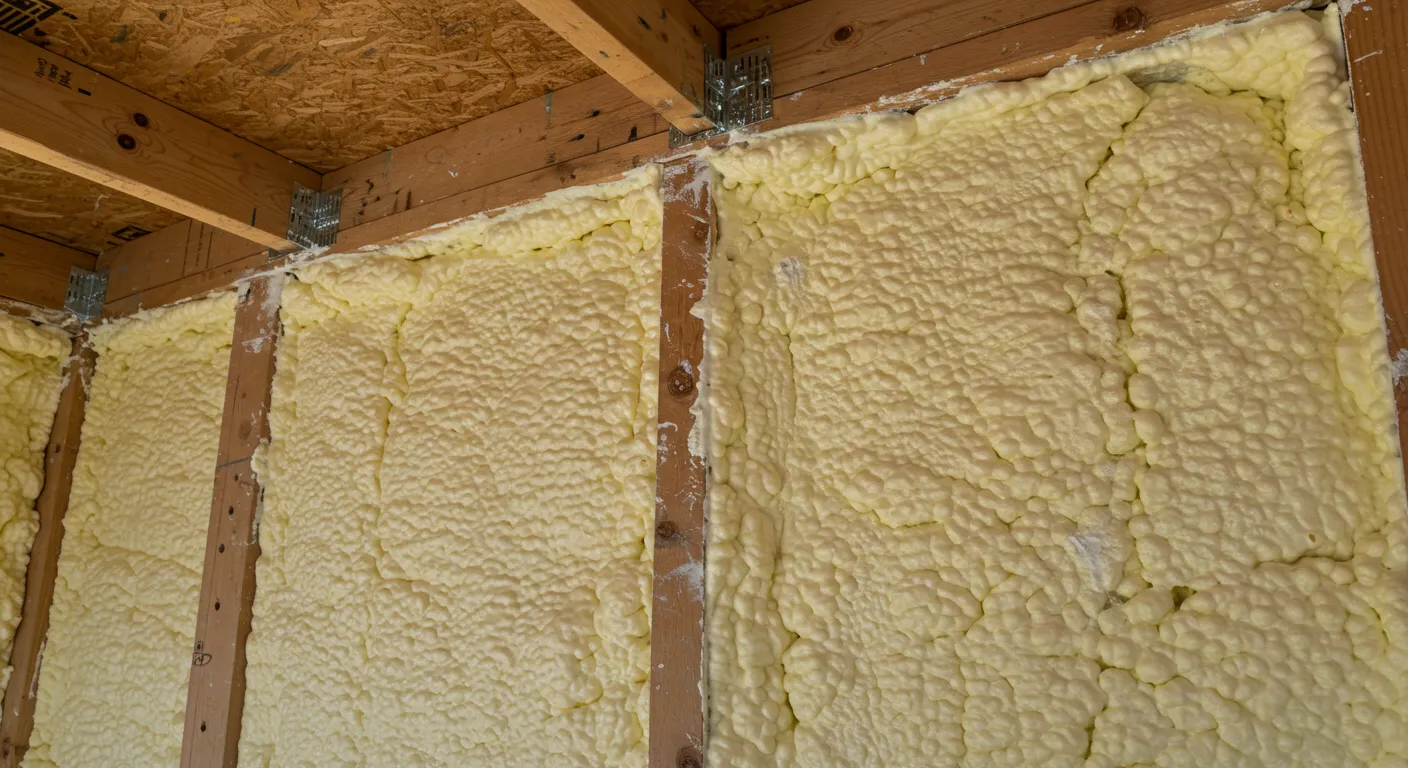
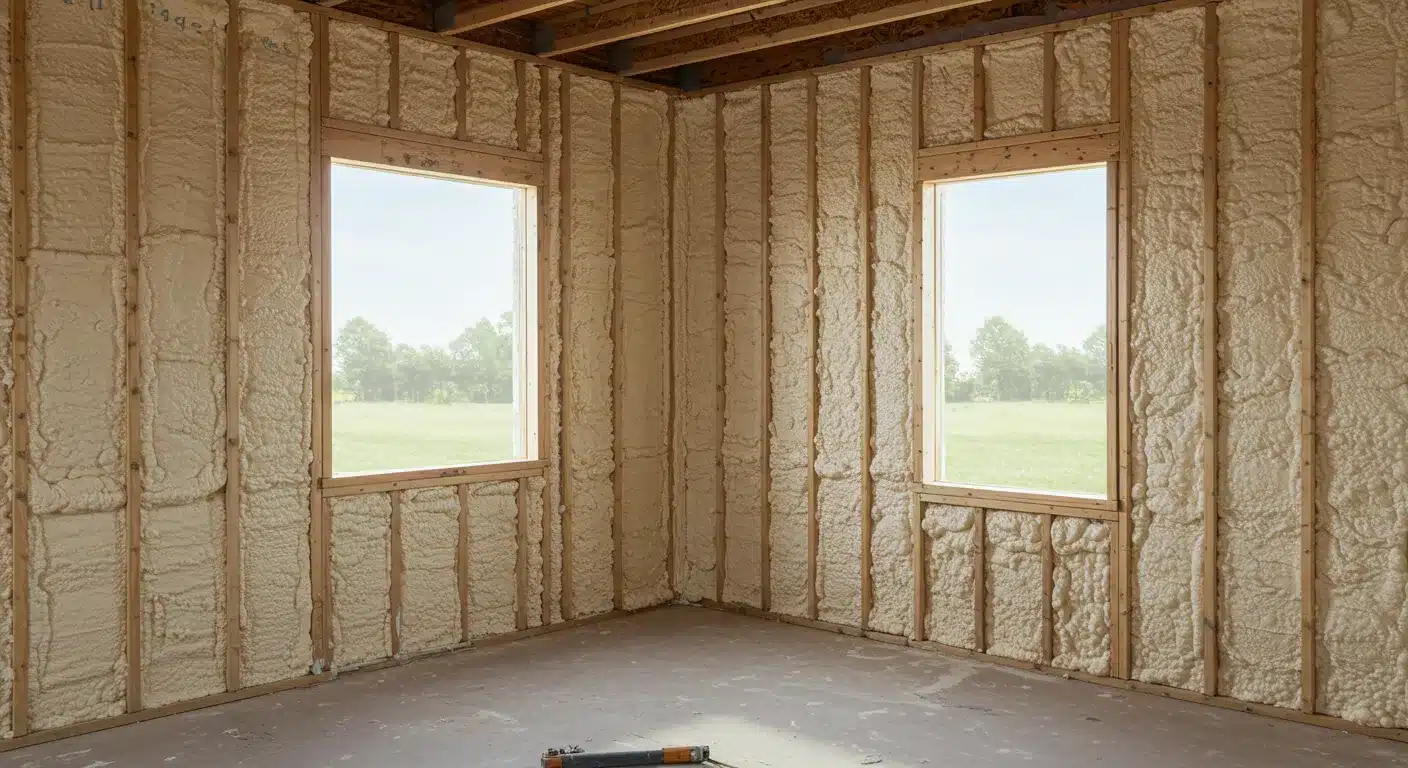
Open-cell spray foam excels in interior wall applications where sound reduction is desired. The foam’s open structure absorbs sound waves rather than reflecting them, making it ideal for home offices, media rooms, or walls adjacent to noisy areas like laundry rooms or bathrooms.
Unlike fiberglass batts that can leave gaps around electrical boxes and pipes, spray foam creates an airtight seal around all penetrations. This prevents sound flanking paths that can compromise acoustic performance. The material also provides thermal separation between rooms, allowing for zoned temperature control.
Sound Reduction Performance
Open-Cell Foam
Fiberglass Batts
Mineral Wool
Noise Reduction Coefficient
0.70-0.85
0.35-0.55
0.45-0.65
Air Leakage Prevention
Excellent
Poor to Fair
Fair
Mold Resistance
High
Medium
High
Basements and Foundation Walls
Basement walls present unique challenges that open-cell spray foam addresses effectively. The material’s vapor-permeable nature allows moisture from foundation walls to dry inward, preventing trapped moisture that can lead to mold growth. This characteristic makes open-cell foam particularly suitable for below-grade applications.
When applied to concrete or masonry basement walls, open-cell foam provides both insulation and an air barrier, eliminating the need for additional vapor barriers in most climates. The foam’s adhesion properties ensure it remains in place even on irregular foundation surfaces.
According to research from the Building Science Corporation, open-cell spray foam in basement applications provides R-values that remain stable over time, unlike some traditional insulation materials that can degrade with moisture exposure.
Cathedral Ceilings and Vaulted Spaces
Cathedral ceilings present significant insulation challenges due to limited cavity depth and potential for moisture accumulation. Open-cell spray foam solves both problems by providing high insulation value in thin spaces while allowing roof assemblies to breathe.
In these applications, open-cell foam fills the entire rafter cavity, eliminating voids and gaps that compromise thermal performance. The material’s flexibility accommodates structural movement without cracking or losing its sealing properties. This makes it particularly suitable for homes with large spans or complex roof geometries.
The foam’s sound-dampening qualities also reduce rain and hail noise in rooms with vaulted ceilings, creating a more comfortable living environment.
Garage Ceilings and Attached Spaces
The ceiling between an attached garage and living space represents a critical air barrier that open-cell spray foam can effectively seal. Garages often contain fumes, chemicals, and carbon monoxide from vehicles that can infiltrate living spaces through air leaks.
Open-cell spray foam completely seals around framing members, electrical penetrations, and plumbing fixtures that pass through garage ceilings. This creates a continuous air barrier that protects indoor air quality. The material’s sound reduction properties also help buffer noise from garage activities.
Things to Consider Before Making a Decision
Before choosing open-cell spray foam, several factors warrant consideration. The material requires professional installation with specialized equipment and safety gear, making DIY installation impractical for most homeowners.
Climate plays a role in material selection. While open-cell foam works well in most applications, extremely cold climates might benefit from closed-cell foam in certain exterior applications due to its higher R-value per inch.
Budget considerations are important as spray foam typically costs 2-3 times more than traditional insulation materials. However, energy savings often offset the initial investment within 5-7 years through reduced heating and cooling costs.
Bonus Tip: Check local building codes, as some regions require ignition barriers over spray foam in habitable spaces. This adds to installation costs but ensures compliance with safety standards.
Bonus Tip: For retrofit projects, consider using open-cell foam for hard-to-reach areas that traditional insulation cannot properly address, such as around window bays, dormers, or complex framing configurations.
Key Takeaways
Open-cell spray foam insulation offers superior performance in eight key home areas where air sealing, moisture management, and sound reduction are priorities. The material’s unique properties make it particularly valuable for attics, crawl spaces, and areas where traditional insulation falls short.
Homeowners should evaluate their specific needs, climate conditions, and budget constraints when considering spray foam insulation. While the initial investment exceeds traditional materials, the long-term energy savings, comfort improvements, and durability often justify the cost.
The most successful insulation projects combine proper material selection with professional installation techniques that address the unique characteristics of each home. Consider your climate, existing construction, and performance goals when deciding if open-cell spray foam is right for your application.
Get Professional Insulation Guidance
For personalized advice about open-cell spray foam applications in your home, contact Wegner Insulation at [email protected] or call (406) 654-4636. Experienced technicians can assess your specific needs and recommend appropriate insulation solutions for your climate and building type. Professional consultations help ensure optimal material selection and proper installation techniques for maximum performance and longevity.
Frequently Asked Questions
How long does open-cell spray foam last?
Open-cell spray foam insulation typically lasts the lifetime of the building when properly installed. The material does not settle, shrink, or deteriorate over time, maintaining its R-value and air-sealing properties for decades.
Can open-cell foam get wet?
Open-cell foam can absorb small amounts of water but will dry completely without losing its insulating properties. This makes it suitable for applications where occasional moisture exposure might occur, such as crawl spaces or basement walls.
What R-value does open-cell spray foam provide?
Open-cell spray foam provides approximately R-3.5 to R-3.8 per inch of thickness. A typical 3.5-inch application yields R-12 to R-13, while a 5.5-inch cavity fill achieves R-19 to R-21.
Is open-cell foam safe for indoor air quality?
When properly installed and cured, open-cell spray foam is safe for indoor applications. The material is manufactured without harmful chemicals like formaldehyde or CFCs. Professional installation ensures proper ventilation during application.
Does open-cell foam require special framing?
Standard framing is suitable for open-cell spray foam applications. However, proper planning for electrical boxes and plumbing penetrations helps ensure complete coverage and optimal performance.
Sources
U.S. Department of Energy – Official government resource on insulation types, R-values, and energy savings calculations for residential applications
Building Science Corporation – Research organization providing scientific data on building envelope performance and moisture management in insulation systems
Spray Polyurethane Foam Alliance – Industry trade association offering technical specifications, performance data, and installation guidelines for spray foam products
Spray foam insulation delivers superior indoor comfort in Kalispell homes by maintaining consistent temperatures year-round and eliminating drafts and moisture…