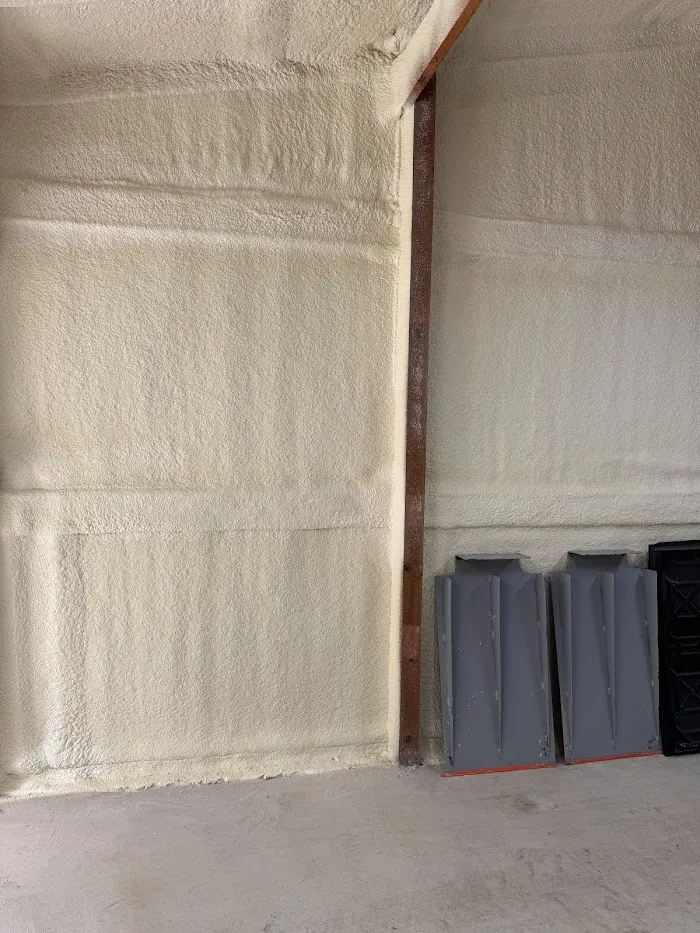
What is the Real Cost of Closed-Cell Spray Foam Insulation in Kalispell Homes
Closed-cell spray foam insulation in Kalispell homes costs between $1.00 and $1.25 per square foot per inch of thickness installed,…




Open-cell spray foam helps reduce indoor allergy symptoms primarily by creating an airtight seal that prevents outdoor allergens like pollen, dust, and smoke from entering the home. Unlike traditional fibrous insulation, which filters air but allows it to pass through, spray foam expands to fill gaps and cracks, effectively blocking airflow that carries irritants. By stopping uncontrolled air leakage, this insulation method allows the HVAC system to filter indoor air more efficiently without constantly battling new contaminants from the outdoors.
While the air-sealing properties are superior for allergy control, open-cell foam is vapor-permeable. This means it allows moisture to pass through it. Without proper moisture management or vapor retarders, this characteristic can lead to mold growth in humid climates or in damp areas such as crawl spaces. Mold is a severe allergen for many people. Therefore, open-cell foam creates a healthier environment only when installed correctly with a focus on both air sealing and moisture control.
Years of fieldwork in the insulation industry confirm that the most effective approach to reducing allergens involves a comprehensive building envelope strategy. Controlling the air that enters a building remains the single most effective way to limit exposure to outdoor irritants.
Most homeowners do not realize that a significant portion of the air they breathe inside comes from the attic, basement, or crawl space. This phenomenon, known as the “stack effect,” pulls air in from the bottom of the house and pushes it out the top. As this air moves, it drags dust, mold spores, and fiberglass particles from the structural cavities into the living space.
Standard fiberglass batts or blown-in cellulose often fail to stop this movement. They function more like a coffee filter, catching some dirt but allowing the liquid (air) to pass right through. Research by the United States Environmental Protection Agency indicates that indoor air quality can be 2 to 5 times more polluted than outdoor air, mainly due to inadequate ventilation and the infiltration of pollutants.
Spray foam insulation completely stops this airflow. When applied to the roof deck or rim joists, it creates a physical barrier. This prevents the “stack effect” from cycling dirty air through the home.
Market Fact: The Asthma and Allergy Foundation of America reports that nasal allergies affect approximately 50 million people in the United States each year, making the control of indoor triggers a priority for many households.
Understanding the physical differences between insulation types helps homeowners choose the right product for their health needs. While both foam types stop air infiltration, they manage moisture differently.
Table 1: Allergy and Moisture Control Comparison
| Feature | Open-Cell Spray Foam | Closed-Cell Spray Foam | Fiberglass / Cellulose |
|---|---|---|---|
| Air Barrier | Excellent (stops pollen/dust) | Excellent (stops pollen/dust) | Poor (allows air passage) |
| Moisture Permeability | Permeable (allows vapor to pass) | Impermeable (blocks vapor) | Permeable (absorbs moisture) |
| Mold Risk | Low (if moisture is managed) | Very Low (rejects water) | High (traps dust and moisture) |
| Sound Dampening | High (reduces outdoor noise) | Moderate | Moderate |
| Cost | Moderate | High | Low |
Bonus Tip: If installing open-cell foam in a roof deck, ask the installer about applying an intumescent paint that also serves as a vapor retarder. This provides fire protection with the added benefit of moisture control.
Mold serves as a primary trigger for asthma and severe allergies. Because open-cell foam is soft and spongy, it has a cellular structure that holds air. This makes it an excellent insulator and sound dampener, but it does not block water vapor on its own.
If open-cell foam is installed in a damp basement or against a roof deck with a leak, water can move through the foam. If that moisture gets trapped against wood framing, mold will grow. For allergy sufferers, this would be counterproductive.
In contrast, closed-cell foam is dense and rigid. It acts as a Class II vapor retarder. It rejects bulk water and stops vapor drive. For areas with high humidity or flood risks, closed-cell foam is often the safer choice to prevent mold-related allergy flare-ups. However, in dry climates or interior walls, open-cell remains a secure and cost-effective option for blocking airborne dust.
A common concern regarding spray polyurethane foam (SPF) is the potential for chemical off-gassing. Some individuals with high chemical sensitivity worry that the curing process may trigger reactions similar to those of allergies.
Modern spray foams are safe when mixed and applied according to the manufacturer’s specifications. The two components (A-side and B-side) react exothermically to create the inert plastic foam. During the application and immediate curing period (typically 24 to 48 hours), Volatile Organic Compounds (VOCs) are released.
Once the foam has fully cured, it becomes inert and no longer releases harmful gases. A safety advisory from the U.S. Environmental Protection Agency notes that homeowners should vacate the premises during installation and curing to avoid exposure to these temporary vapors. After the re-entry period, the foam supports better air quality by keeping external pollutants out.
Market Fact: The demand for low-VOC building materials has prompted manufacturers to develop spray foams that use water as a blowing agent, significantly reducing their chemical footprint compared to older formulas.
Bonus Tip: Always request the Technical Data Sheet (TDS) for the specific foam product being installed. This document lists the particular re-entry time required for that exact formula.
Before choosing open-cell foam for allergy reasons, evaluate specific environmental factors.

Open-cell spray foam serves as a powerful tool for improving indoor air quality. By eliminating the gaps and cracks that allow outdoor air to carry pollen, dust, and smoke into the living space, it reduces the overall allergen load in the home. While it requires careful attention to moisture management to prevent mold, the resulting airtight seal provides a level of protection that fibrous insulation cannot match. Homeowners should view spray foam as part of a broader system that includes proper ventilation to ensure the healthiest indoor environment possible.
Improving your indoor air quality starts with a secure building envelope. If you are struggling with allergies and suspect your current insulation is the culprit, contact Wegner Insulation for a professional evaluation. The team can determine if open-cell foam is the right solution for your specific home and health needs.
Email: [email protected] Phone: (406) 654-4636
No insulation cures allergies. However, spray foam significantly reduces the amount of pollen, dust, and mold spores entering the home, which often leads to a noticeable reduction in symptom severity.
Most open-cell foam manufacturers recommend staying out of the home for 24 to 48 hours after spraying. This ensures all vapors from the chemical reaction have dissipated, and the foam is fully cured.
Yes, once fully cured, it is safe. In fact, the American Lung Association advocates for air sealing and proper ventilation as key strategies for managing indoor asthma triggers.
Because the foam creates an air seal, odors from cooking or pets will not dissipate as quickly as they would in a drafty house. This highlights the need for proper mechanical ventilation in the kitchen and bathrooms.