Why ventilation is a critical partner to your insulation system in Lakeside, MT
admin-wegnerinsulation
January 19th, 2026
Ventilation works hand-in-hand with insulation to create a healthy, efficient home environment. While insulation controls heat transfer, ventilation manages moisture, removes pollutants, and maintains air quality. In Lakeside’s climate, where temperatures and humidity vary dramatically between seasons, this partnership prevents moisture buildup, protects structural integrity, and ensures year-round comfort. Without proper ventilation, even the best insulation can trap moisture, leading to mold growth and reduced thermal performance.
This guide explains how these systems interact in Lakeside homes and provides practical insights for optimal performance. The information comes from years of experience working with local building conditions and understanding how Montana’s unique climate affects home performance.
The Dynamic Relationship Between Air Movement and Thermal Control
Insulation and ventilation serve opposite but complementary functions. Insulation slows heat movement between your home’s interior and exterior, while ventilation controls air movement and moisture exchange. When properly balanced, insulation keeps valuable heat inside during winter and blocks unwanted heat in summer, while ventilation removes excess moisture and contaminants that could damage insulation effectiveness.
In Lakeside, the challenge comes from the combination of cold winters and relatively humid summers. A well-insulated attic without adequate ventilation creates a temperature difference between attic air and outdoor air. This temperature gap can cause condensation, which soaks into insulation fibers and reduces their R-value by up to 50%. According to research from the U.S. Department of Energy, proper attic ventilation can extend insulation lifespan by preventing moisture-related degradation.
Local Climate Considerations for Lakeside Properties
Lakeside’s location near Flathead Lake creates specific microclimate conditions that affect ventilation needs. The area experiences average winter temperatures around 20°F and summer highs reaching 80°F, with significant humidity variations. Spring melt periods introduce particular challenges as snow melt releases moisture that can enter homes through foundations and crawl spaces.
Local building data shows that homes in the Flathead Valley region benefit from slightly higher ventilation rates than standard recommendations suggest. The increased airflow helps manage the moisture that comes from lake effect weather patterns and the region’s substantial precipitation levels, which average around 24 inches annually.
Ventilation Approaches for Different Home Areas
Different parts of your home require distinct ventilation strategies. Understanding these needs helps prevent moisture problems and maintain energy efficiency.
Attic Ventilation Systems
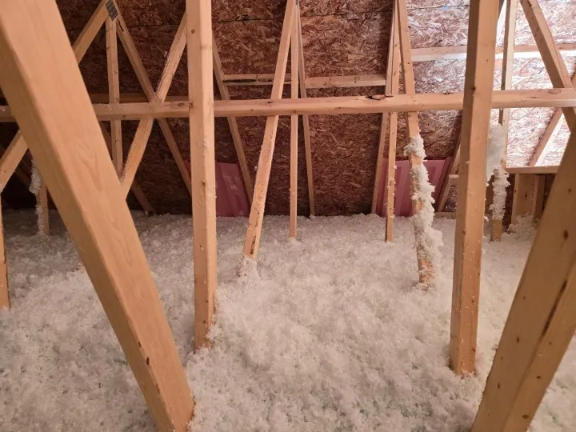
Attics need continuous airflow along the entire roof underside. The most effective approach combines soffit vents for intake air along the eaves with ridge vents for exhaust at the roof peak. This creates natural convection currents that move air steadily through the space. For every 150 square feet of attic floor space, you need one square foot of ventilation area, split evenly between intake and exhaust.
Crawl Space Solutions
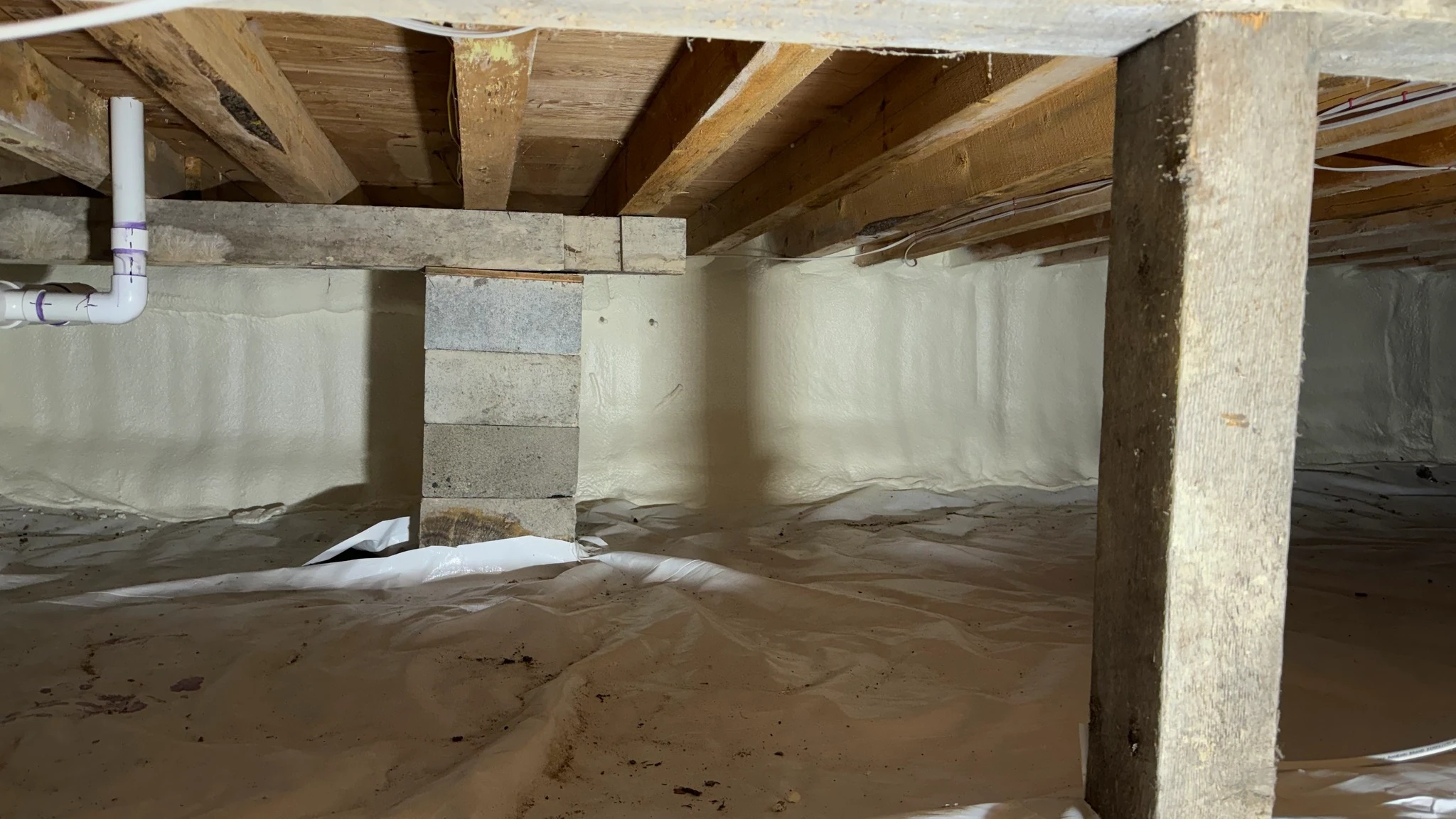
Many Lakeside homes have crawl spaces that require special attention. Unvented crawl spaces are now standard practice, with continuous insulation on foundation walls and a sealed vapor barrier on the ground. However, some homes still benefit from vented crawl spaces, particularly those built before modern building codes. The choice depends on your home’s specific conditions and construction methods.
Whole-Home Ventilation
Modern Lakeside homes benefit from mechanical ventilation systems that provide controlled air exchange. Heat recovery ventilators (HRVs) work well in cold climates, transferring heat from outgoing stale air to incoming fresh air. Energy recovery ventilators (ERVs) also manage moisture transfer, making them suitable for homes with higher humidity concerns.
Ventilation Requirements by Home Type and Location
Home Type
Recommended Ventilation Method
Key Considerations for Lakeside Climate
Maintenance Frequency
New Construction
Balanced mechanical ventilation (HRV/ERV)
Meets current energy codes, handles temperature extremes
Filter changes every 3-6 months
Older Home with Unfinished Attic
Soffit + Ridge vents
Must ensure existing insulation doesn’t block air pathways
Annual inspection of vents
Home with Crawl Space
Sealed/Unvented approach with vapor barrier
Prevents ground moisture from entering the living space
Check vapor barrier integrity annually
Lakeside-adjacent Property
Enhanced ventilation + dehumidification
Manages additional moisture from lake proximity
Increased filter monitoring is needed
Things to Consider Before Making a Decision
Before modifying your ventilation system, evaluate several factors specific to your situation. First, assess your home’s current moisture problems. Look for water stains, musty smells, or condensation on windows during cold weather. These indicators suggest inadequate ventilation regardless of insulation quality.
Next, consider your home’s age and construction method. Houses built before 1990 often have different ventilation requirements than those built after 1990. Building codes have evolved significantly, and what was acceptable decades ago may not meet modern standards for energy efficiency and indoor air quality.
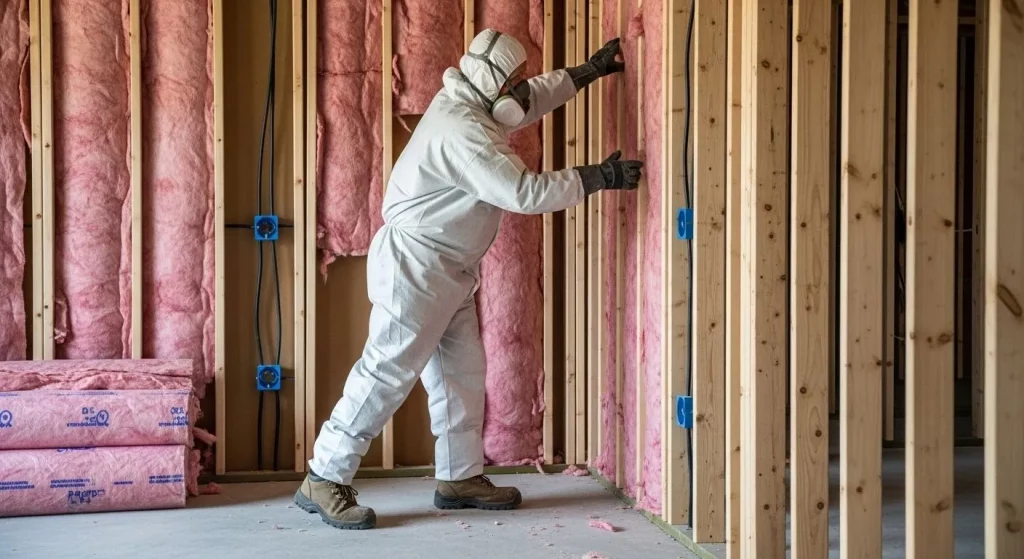
Examine your existing insulation condition. If insulation appears compressed, discolored, or contains moisture stains, it has likely lost effectiveness and may need to be replaced, along with improvements to ventilation. Addressing both systems together prevents repeat issues and maximizes investment value.
Finally, factor in your household’s specific air quality needs. Homes with occupants who have respiratory conditions, pets, or hobbies that generate particulates benefit from enhanced ventilation solutions. The American Lung Association reports that proper ventilation can reduce indoor air pollutant concentrations by 50% or more.
Making Informed Decisions for Your Home
The relationship between ventilation and insulation determines your home’s comfort, durability, and efficiency. In Lakeside’s climate, this partnership becomes even more critical due to temperature extremes and seasonal humidity variations. Proper ventilation protects your insulation investment while maintaining healthy indoor conditions.
Evaluate your home’s specific needs based on its age, construction method, and current condition. Consider your household’s air quality requirements and local climate factors. If you notice signs of moisture problems or inadequate air exchange, addressing ventilation issues alongside any insulation upgrades provides the best long-term solution.
Get a Professional Assessment for Your Home
Understanding the specific ventilation and insulation needs for your Lakeside property requires professional evaluation. Local climate conditions and individual home characteristics affect optimal system design. For personalized recommendations and solutions tailored to your situation, contact Wegner Insulation at [email protected] or call (406) 654-4636 to schedule a comprehensive home assessment.
Bonus Tips from Practical Experience
During summer months, run attic fans during the coolest parts of the day rather than during peak heat. This strategy removes stored heat overnight without drawing in hot afternoon air, making your cooling system work more efficiently.
Consider adding humidity sensors in critical areas like attics and crawl spaces. These inexpensive devices alert you to moisture problems before visible damage occurs, allowing prompt intervention that protects both insulation and structural materials.
For homes with metal roofing, ensure ventilation components are specifically designed for roof systems with high thermal expansion rates. Standard venting materials may fail at the connections due to the significant temperature fluctuations common in Montana.
Frequently Asked Questions
How do I know if my home has enough ventilation?
Signs of inadequate ventilation include ice dams forming on roof edges in winter, visible condensation on windows or in attics, musty odors, and peeling paint or wallpaper. Professional energy audits can also measure air exchange rates and identify deficiencies.
Can I add ventilation to an existing home?
Most existing homes can accommodate retrofitted ventilation solutions. Ridge vents can be added to existing roofs, and soffit vents are relatively simple to install. For mechanical ventilation, modern systems can often integrate with existing ductwork or operate as standalone units.
Does adding ventilation affect my heating bills?
Proper ventilation has minimal impact on heating costs when designed correctly. Heat recovery systems can capture 70-80% of heat from outgoing air, making the additional energy cost negligible compared to benefits like moisture control and air quality improvement.
What’s the difference between exhaust fans and balanced ventilation?
Exhaust fans simply remove air from a space, creating negative pressure that can draw in unconditioned air through gaps. Balanced ventilation systems use separate fans to bring in fresh air and exhaust stale air simultaneously, maintaining neutral pressure and controlling where air enters and leaves your home.
Sources
U.S. Department of Energy – Federal resource providing scientifically-backed information on home energy efficiency, ventilation systems, and insulation best practices
American Lung Association – Health organization offering research on indoor air quality and the respiratory benefits of proper ventilation systems
Building Science Corporation – Research organization providing technical guidance on building envelope design, moisture management, and ventilation strategies
Spray foam insulation delivers superior indoor comfort in Kalispell homes by maintaining consistent temperatures year-round and eliminating drafts and moisture…