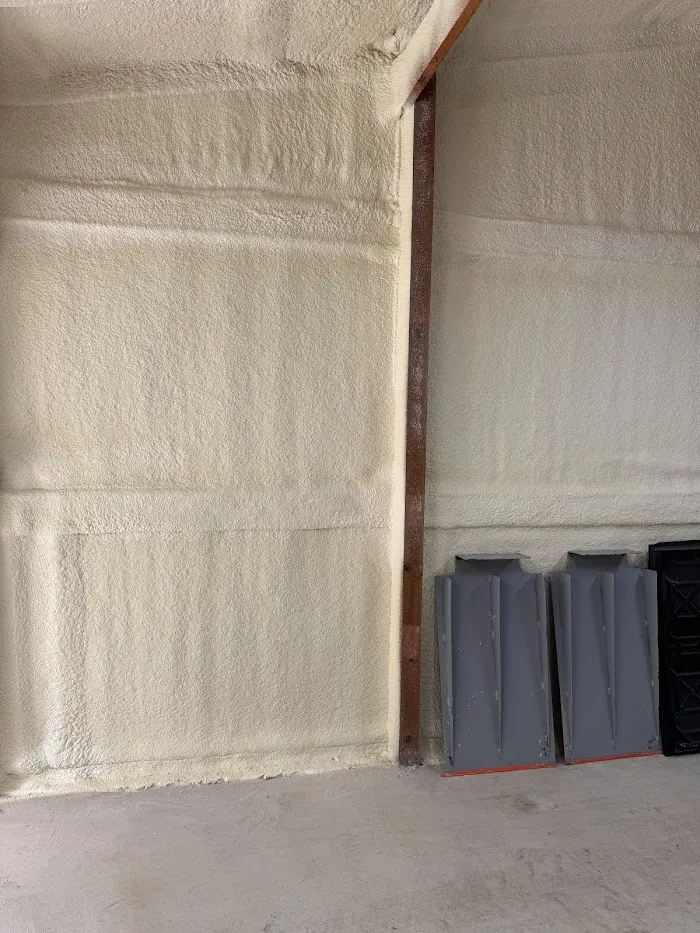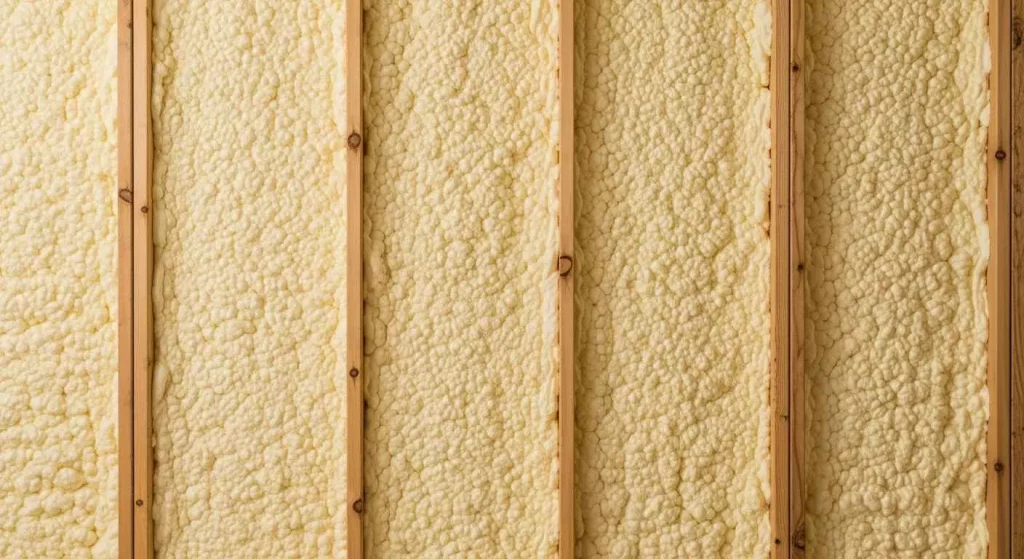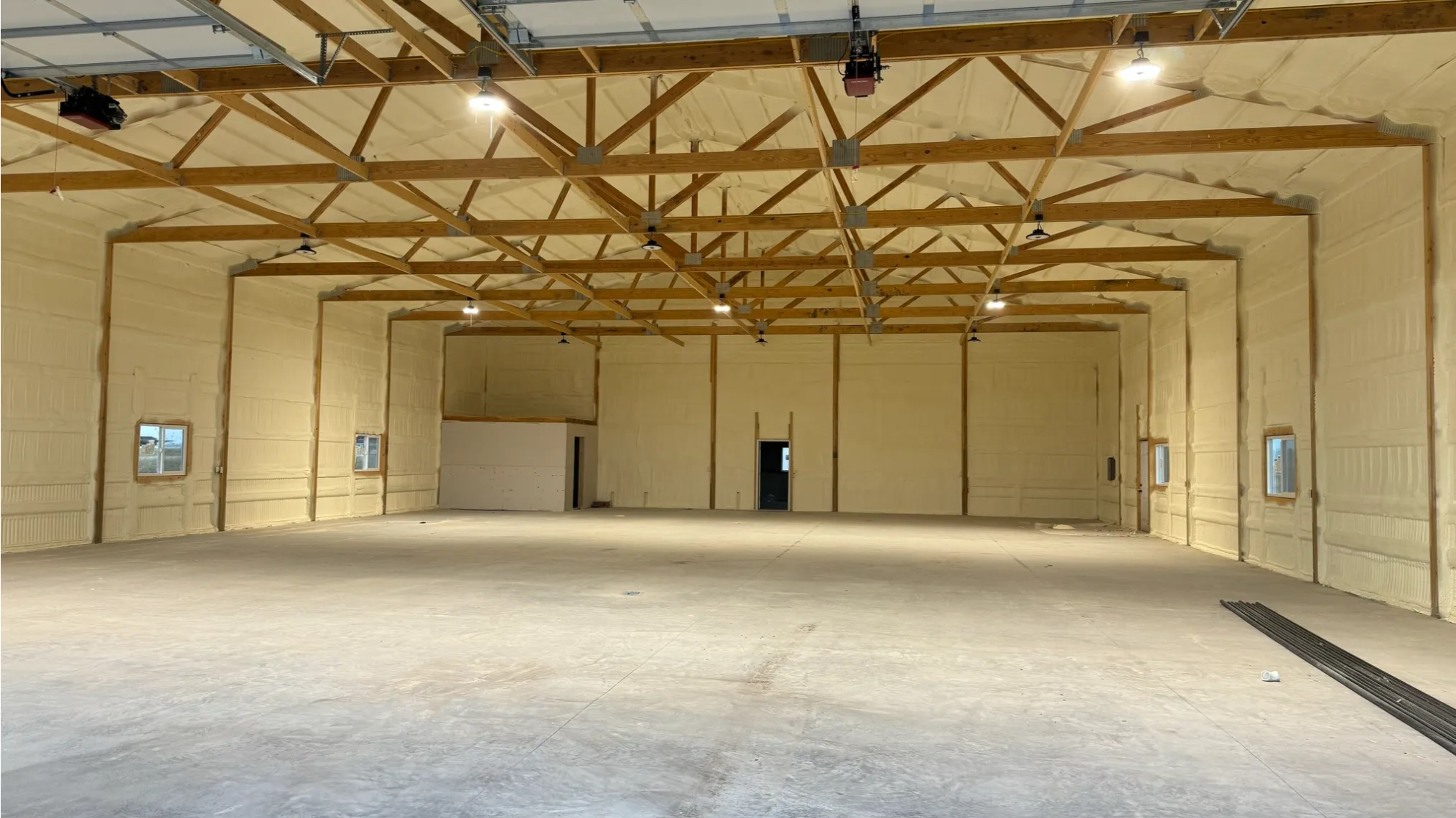
What is the Real Cost of Closed-Cell Spray Foam Insulation in Kalispell Homes
Closed-cell spray foam insulation in Kalispell homes costs between $1.00 and $1.25 per square foot per inch of thickness installed,…


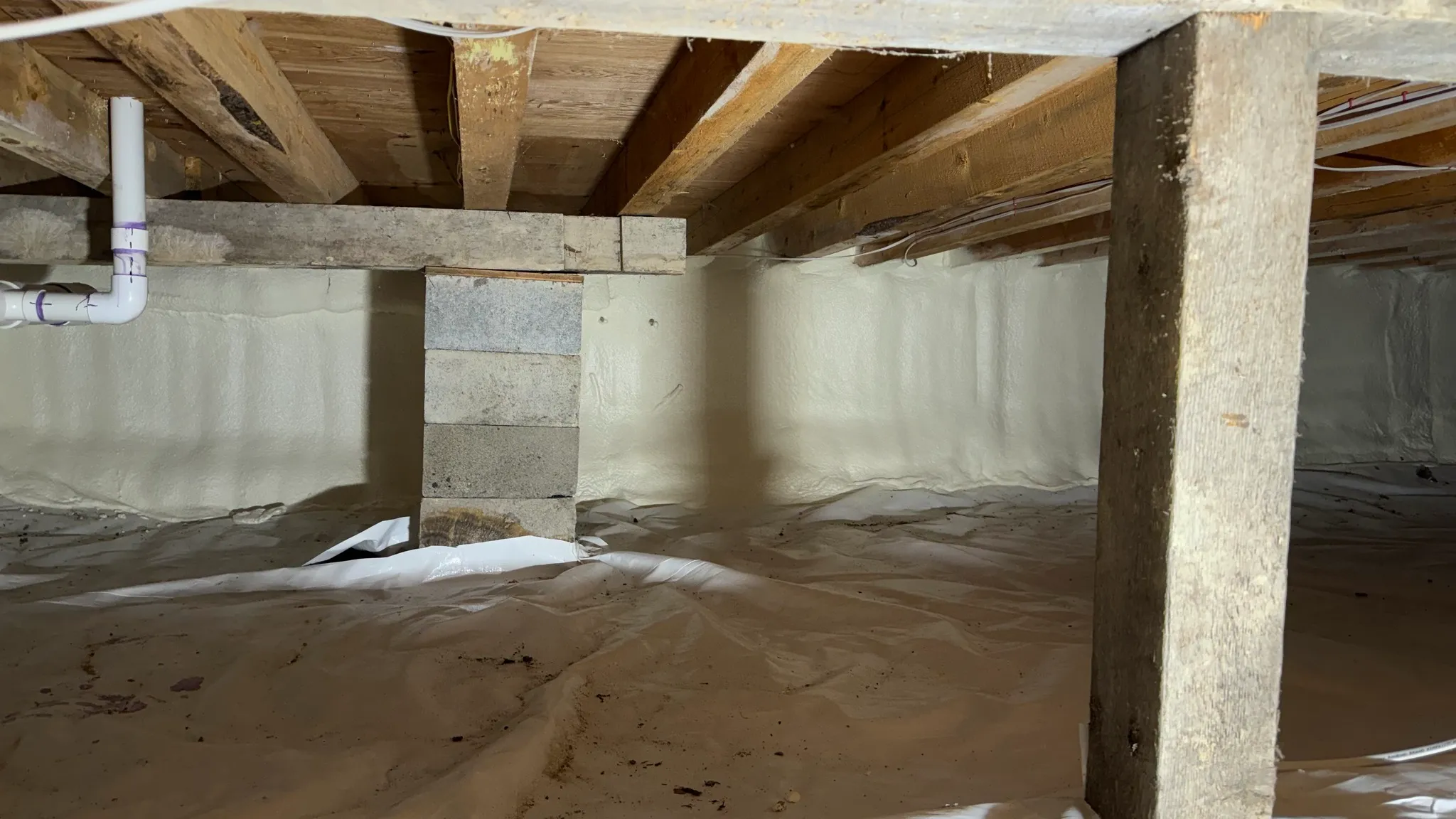
For property owners in Libby, Montana, the optimal window for spray foam installation in 2026 falls between late April and early June, with a secondary prime opportunity in September. These periods offer the specific environmental conditions required for proper chemical adhesion and expansion without the extreme heat of mid-summer or the freezing limitations of winter. While installation is technically possible year-round with specialized equipment, targeting these “shoulder seasons” ensures the highest material yield and cost-efficiency.
Installing insulation requires precise temperature and moisture management. The chemical reaction that creates spray foam is sensitive to the substrate temperature, the surface being sprayed, and the ambient air temperature. In Libby, where the Kootenai National Forest climate brings cold winters and distinct seasonal shifts, scheduling a project during the mild spring or early autumn months eliminates the need for costly auxiliary heating or cooling. This timing ensures a better product cure and reduces the risk of project delays.
Understanding the microclimate of Lincoln County is essential for construction planning. Success depends on aligning project timelines with local weather patterns. Data indicate that the chemical yield, the amount of coverage obtained from a set of materials, drops significantly when surface temperatures fall below 50°F. Experience in the region confirms that fighting the weather increases costs, making seasonal timing a primary factor in project success.
Spray foam insulation is created through an exothermic reaction between two chemicals. For this reaction to occur correctly, the chemicals must contact a surface warm enough to allow them to rise and bond. If the wall or roof deck is too cold, the foam may pull away from the framing, resulting in gaps that compromise thermal performance.
Most standard closed-cell and open-cell foam mixtures require a minimum substrate temperature of 40°F to 50°F. While “winter blend” foams exist, they often come at a premium and still have limitations. According to the Department of Energy, proper installation is vital for the material to resist heat flow effectively. In Libby, average low temperatures remain below freezing well into March, so early spring projects often face delays as installers wait for the building shell to warm up.
Moisture is the enemy of spray foam application. High humidity or damp substrates can cause the foam to blister or delaminate. Libby experiences its wettest months in late spring and early winter. A report from Weather Spark shows that avoiding the peak precipitation weeks in June is wise. The goal is to find a dry window with low relative humidity, allowing the chemical bond to form instantly and permanently.
Planning a construction or renovation project in 2026 requires consideration of projected seasonal conditions. The following table breaks down the feasibility of installation throughout the year in Libby.
2026 Installation Feasibility Guide
| Season | Months | Feasibility Rating | Primary Advantage | Primary Challenge |
|---|---|---|---|---|
| Spring | April – May | High | Ideal temperatures, pre-summer availability. | Unpredictable rain showers. |
| Summer | June – August | Moderate | Fast curing times, long daylight hours. | Extreme heat affects installer safety; high demand. |
| Autumn | Sept – Oct | High | Stable weather, dry air, cooling surfaces. | Shortening days, rush to beat the freeze. |
| Winter | Nov – March | Low | Contractor availability is open. | Requires a heated workspace; higher energy costs. |
Bonus Tip: Scheduling a project for early May often allows homeowners to secure pricing before standard summer material price hikes occur.
The construction industry continues to face fluctuations in material costs. For 2026, industry analysts suggest that raw material availability will stabilize, but labor shortages remain a factor. Waiting until the peak of summer to book an installation often results in higher labor rates due to overtime demands.
Data from the National Association of Home Builders indicates that construction material prices have risen steadily over the last decade. Booking a slot in the spring “pre-season” can sometimes lock in rates from the previous fiscal quarter before suppliers adjust for summer demand. In Libby, where the pool of specialized contractors is smaller than in major cities, early booking is also a defense against schedule unavailability.
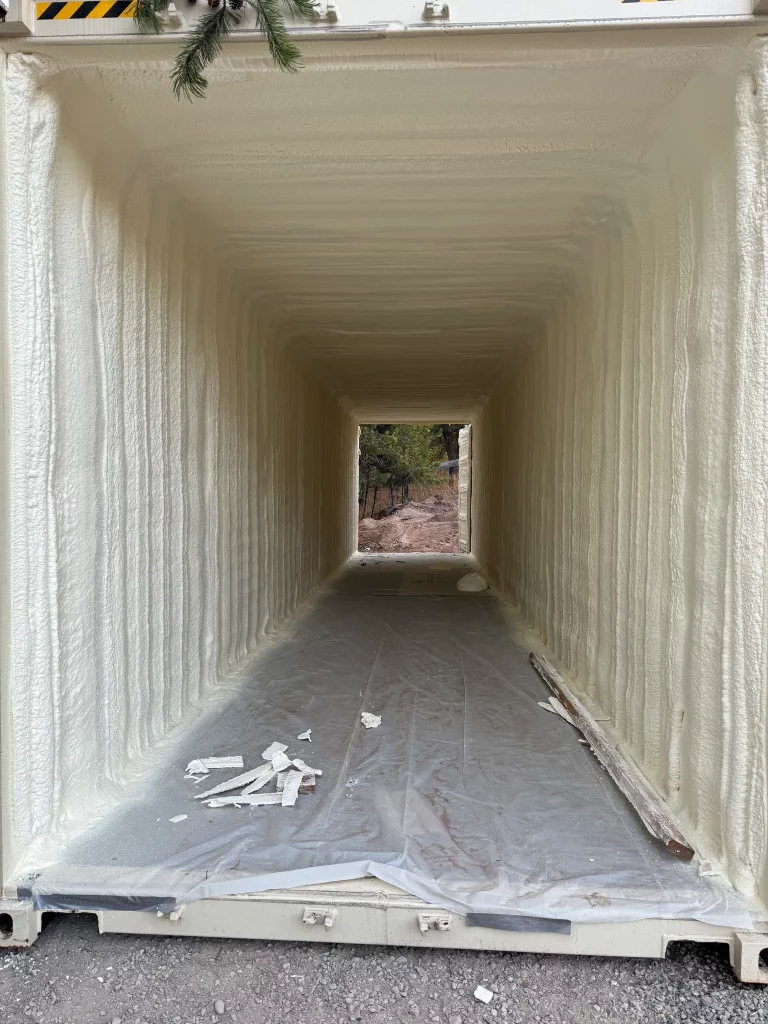
Choosing the right time goes beyond just the weather. Project specifics play a massive role in determining the schedule.
For new construction, the insulation schedule is dictated by the rough-ins for framing, electrical, and plumbing. The roof must be watertight before the foam rig arrives. For retrofits (existing homes), the timeline is more flexible. However, homeowners should note that they may need to vacate the premises for 24 hours before and after spraying to avoid fumes, as noted by the Environmental Protection Agency.
Small projects, such as rim joists or a small crawl space, can sometimes be squeezed into a winter schedule if the area can be tented and heated. Large whole-home sprays require consistent conditions throughout the structure. Attempting to heat a 3,000-square-foot shell to 60°F in January is expensive and difficult to maintain.
Bonus Tip: If doing a retrofit in an occupied home, choose a week in September. The weather is usually mild enough to leave windows open for ventilation after the re-entry period without freezing the house.
Yes, but it requires strict environmental control. The workspace must be heated to maintain surface temperatures above the manufacturer’s minimum, and the chemical drums must be kept warm. This often incurs additional setup costs.
Ideally, contact a contractor 4 to 6 weeks before the desired start date. For prime slots in May or September, reaching out 8 weeks in advance is recommended to ensure placement on the schedule.
Closed-cell foam is denser and sets up harder, adding structural rigidity. It is slightly more forgiving of temperature than open-cell foam, but both perform best when applied to warm, dry substrates.
Not necessarily. While supply chains have normalized, inflation generally pushes labor and chemical costs up year over year. Locking in a contract sooner rather than later is typically the best financial move.
Interior work can proceed if the house is dried-in (roof and windows installed). If the project involves exterior applications or if the humidity is near 100%, the crew will likely reschedule to guarantee the foam adheres correctly.
To achieve the highest performance and durability from spray foam insulation, the best time for Spray Foam installation in Libby, MT, during 2026 is between late April and early June, or in September. These windows provide the thermal stability and low moisture levels necessary for a perfect chemical bond. Property owners should assess their construction timelines early and aim to book during these mild seasons to avoid the technical risks of winter and the high demand of mid-summer. Wegner Insulation recommends evaluating the project’s scope now to secure a spot on the prime 2026 schedule.
If you are planning an insulation update or a new build in Libby for 2026, getting on the schedule early is the most brilliant move. Proper planning ensures you get the best material performance and avoid seasonal premiums. For a consultation on your specific building needs and to lock in a timeline that works for you, contact the team.
Wegner Insulation Phone: (406) 654-4636 Email: [email protected]