3 health risks associated with damp and moldy insulation
admin-wegnerinsulation
January 19th, 2026
Damp and moldy insulation poses three primary health risks: respiratory problems from inhaling mold spores, allergic reactions including skin irritation and asthma attacks, and potential toxic effects from mycotoxins produced by certain mold species. These risks develop when moisture accumulates in insulation materials, creating an ideal environment for mold growth. The subsequent release of spores and volatile organic compounds can significantly impact indoor air quality and occupant health over time.
This guide breaks down exactly how each health risk manifests, which insulation types are most vulnerable, and what warning signs homeowners should never ignore. Drawing from extensive field experience with moisture-related insulation failures, the information below provides practical insights for identifying and addressing these hidden health threats before they become serious medical issues.
Respiratory problems from mold spores
When insulation becomes damp, it creates perfect conditions for mold colonies to multiply. These colonies release microscopic spores into the air, which occupants then inhale. The spores can trigger inflammation in the respiratory tract, leading to chronic coughing, wheezing, and difficulty breathing. Children, elderly individuals, and those with pre-existing respiratory conditions are particularly vulnerable to these effects.
The danger compounds over time because mold growth in insulation often goes undetected for months or even years. Unlike visible mold on walls, insulation remains hidden within wall cavities and attics, continuously releasing spores into living spaces. According to research published by the Institute of Medicine, exposure to indoor mold is consistently linked to upper respiratory tract symptoms in otherwise healthy people.
Bonus Tip
Pay attention to musty odors that intensify when your HVAC system runs. This often indicates mold in ductwork or insulation that’s actively circulating spores throughout your home.
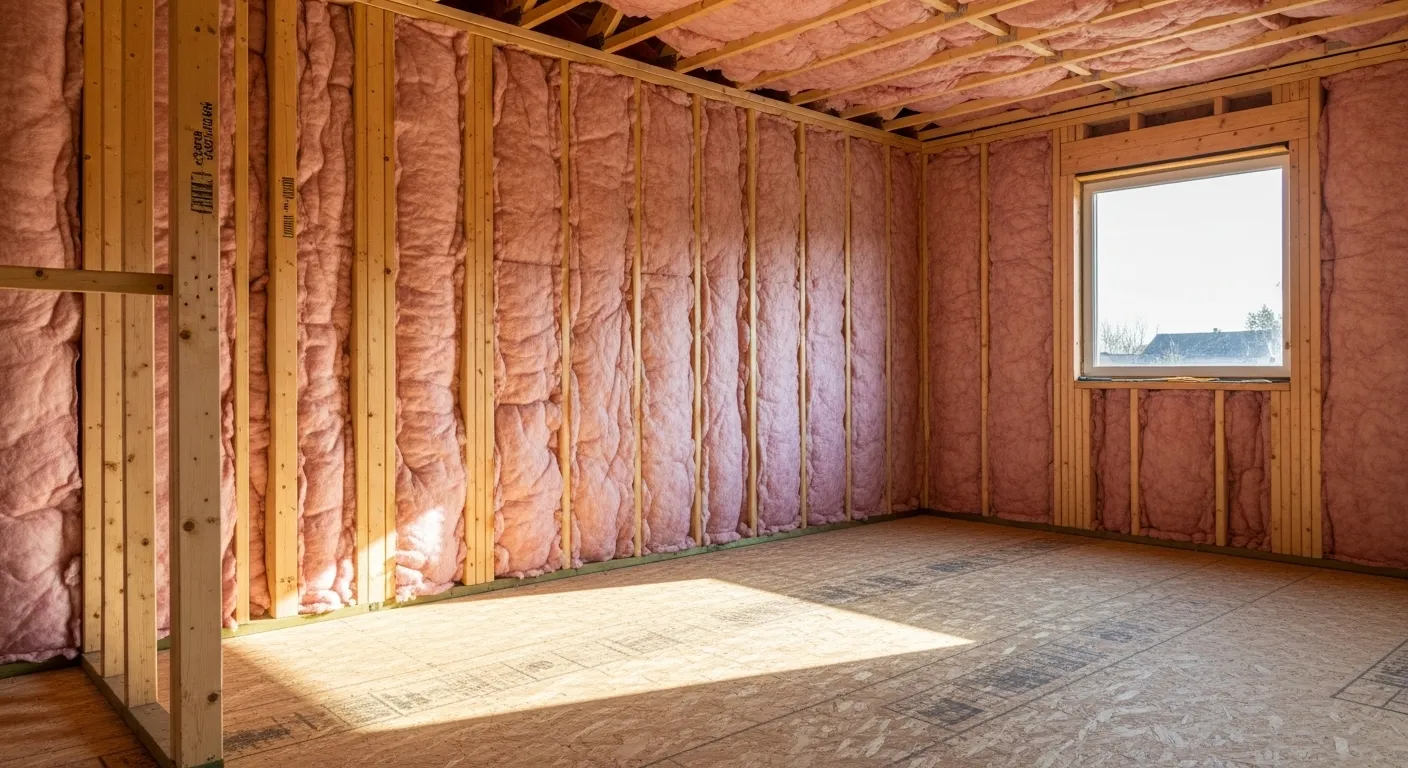
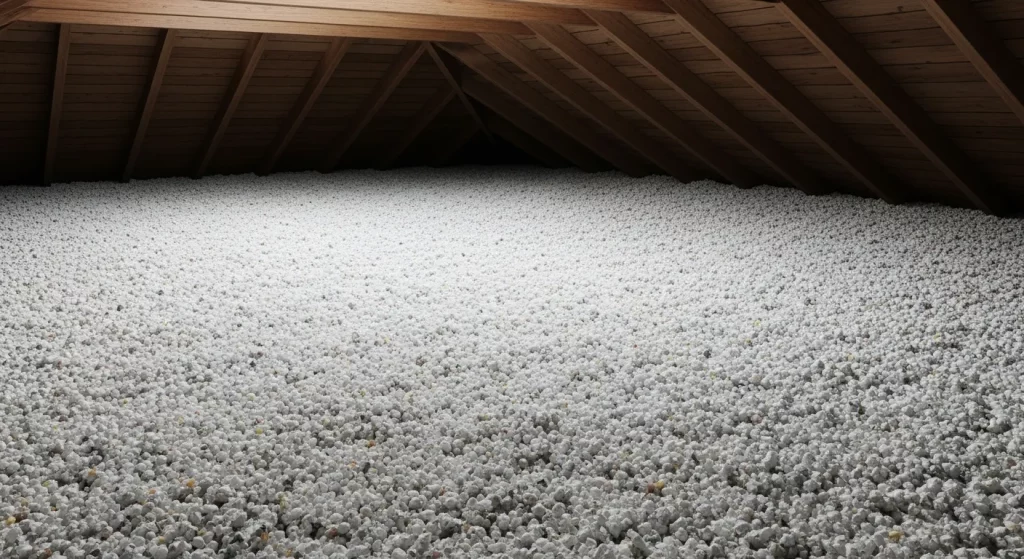
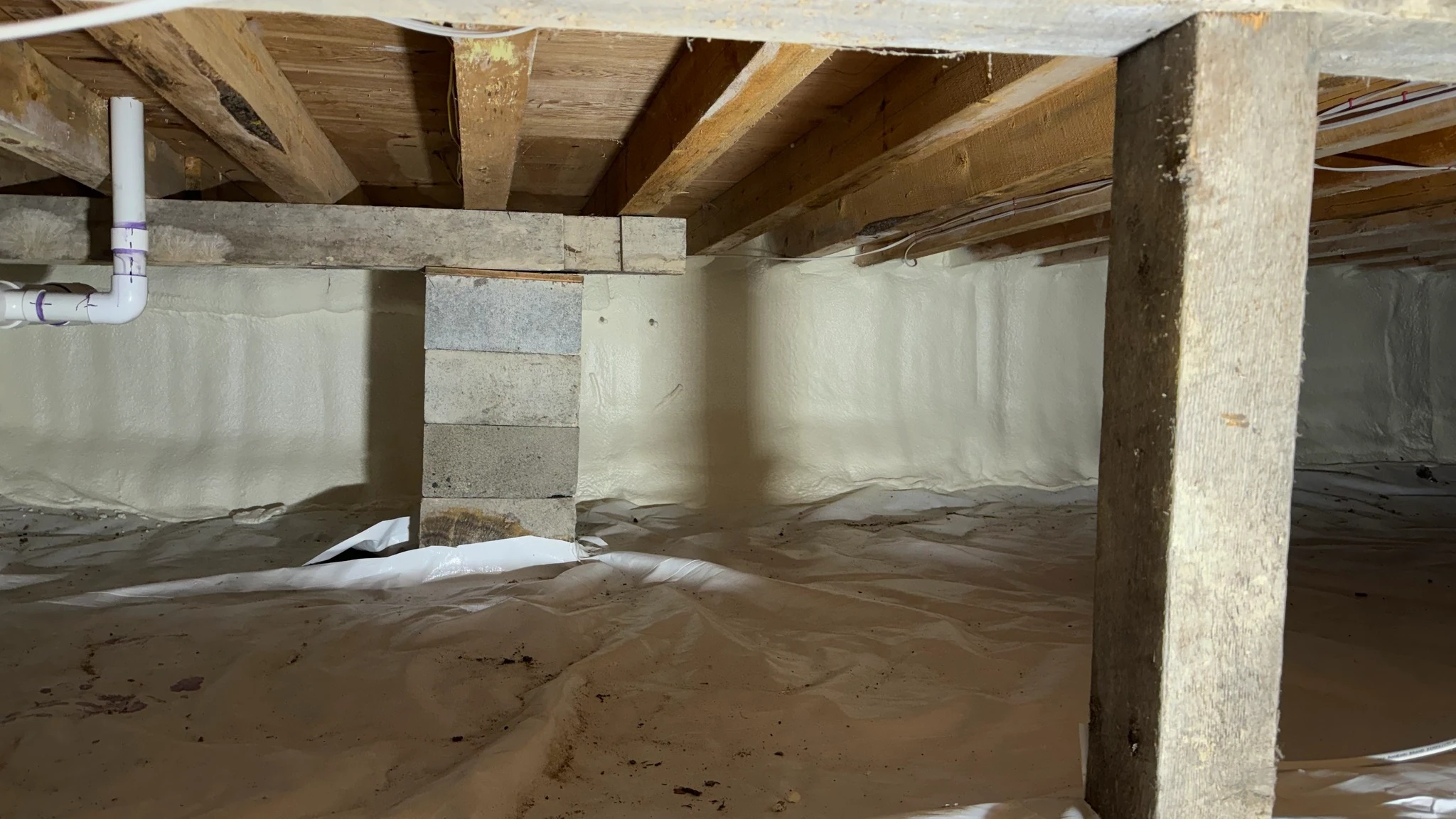
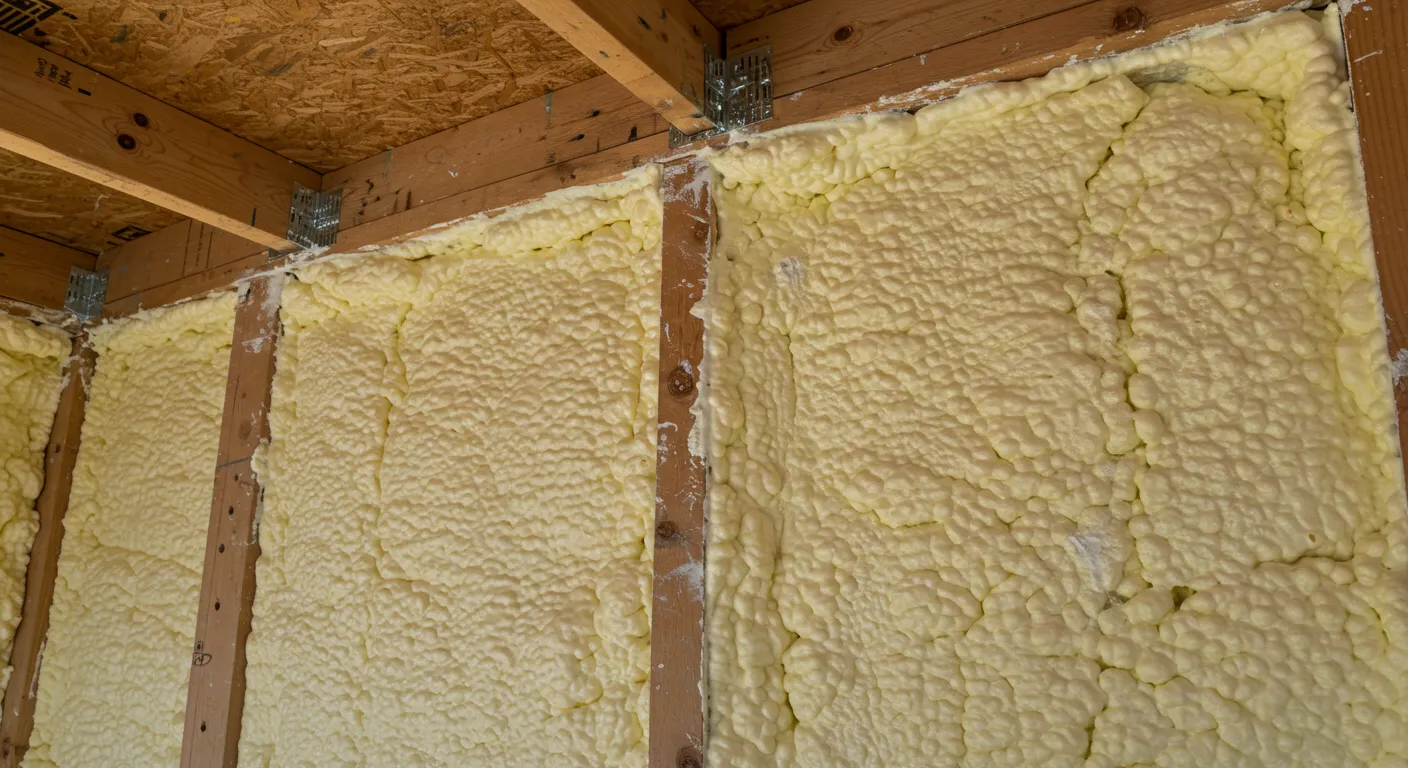
Different insulation types react differently to moisture exposure. Fiberglass insulation can trap moisture against wood framing, accelerating mold growth in surrounding materials. Cellulose insulation, made from recycled paper, actually feeds mold when damp, creating more aggressive colonies. Spray foam insulation resists moisture better but can still develop mold at seams or where improper installation created gaps.
Allergic reactions and immune responses
Mold exposure triggers allergic reactions in sensitive individuals, with symptoms ranging from mild to severe. Common reactions include itchy eyes, a runny nose, sneezing fits, and skin rashes. For people with mold allergies, exposure can cause persistent sinus infections and chronic fatigue. The immune system recognizes mold spores as foreign invaders and mounts an inflammatory response, which becomes exhausting when exposure is constant.
The situation becomes more dangerous for individuals with asthma. Mold spores can trigger severe asthma attacks that may require emergency medical intervention. Even people without previous asthma diagnoses can develop asthma-like symptoms after prolonged exposure to damp insulation environments. The American Lung Association reports that indoor dampness and mold are associated with the development of asthma in children.
Vulnerable populations need special consideration
Infants and young children face higher risks because their respiratory systems are still developing. Their smaller body size means they inhale more spores per unit of body weight than adults do. Elderly residents often have weakened immune systems, making them more susceptible to infections and severe allergic reactions to mold exposure.
People with compromised immune systems, such as those undergoing chemotherapy or living with autoimmune disorders, can develop serious fungal infections from mold exposure that healthy individuals would easily fight off. These infections can affect the lungs, skin, and even spread to other organs in severe cases.
Mycotoxin exposure from toxic mold species
Certain mold species produce mycotoxins – toxic compounds that can cause serious health effects beyond typical allergic responses. Stachybotrys chartarum, commonly called black mold, is the most notorious mycotoxin producer, though several other species can also pose risks. These toxins can enter the body through inhalation, ingestion, or skin contact.
Long-term exposure to mycotoxins has been associated with neurological symptoms, including headaches, memory problems, mood changes, and confusion. Some research suggests connections between mycotoxin exposure and chronic inflammatory conditions. The effects are often cumulative, meaning symptoms worsen over time as toxins accumulate in the body.
The most challenging aspect of mycotoxin exposure is that symptoms can be vague and develop slowly, making diagnosis difficult. Many people suffer for years without connecting their health problems to moldy insulation in their homes. Testing for mycotoxins requires specialized labs, and standard mold inspections often miss these hidden dangers.
Things to Consider Before Making a Decision
Factor
Why It Matters
What to Check
Location of damp insulation
Hidden areas affect discovery and treatment costs
Attic, basement, wall cavities, crawl spaces
Extent of water damage
Determines whether insulation replacement is necessary
Visible mold, water stains, musty odors
Insulation type
Some materials resist mold better than others
Fiberglass, cellulose, spray foam, mineral wool
Health symptoms
Medical urgency affects the response timeline
Respiratory issues, allergies, and neurological symptoms
Budget constraints
Influences the scope of remediation possible
Full replacement vs. spot treatment
Bonus Tip
If you suspect moldy insulation, place air quality monitors in different rooms. Significant variations in particulate counts or VOC levels between rooms can help identify problem areas before invasive inspection.
Understanding Your Specific Situation
The health risks from damp and moldy insulation vary based on your home’s specific conditions and your household’s health status. If you’ve noticed musty odors, unexplained respiratory symptoms, or visible water damage, take action quickly to identify potential mold growth in your insulation. Different climates present different risks – homes in humid coastal areas face constant moisture challenges, while properties in cold regions battle condensation from temperature differentials.
Before deciding on remediation approaches, consider the extent of contamination, your family’s health vulnerabilities, and your budget constraints. Sometimes, simple moisture control measures can resolve minor issues, while extensive contamination may require complete insulation replacement and professional remediation.
Professional Assessment Services
Wegner Insulation provides comprehensive moisture and mold assessments for homeowners concerned about insulation-related health risks. The team uses advanced detection technology to identify hidden moisture problems and determine the extent of mold contamination without unnecessary demolition. For personalized guidance on your specific situation, contact [email protected] or call (406) 654-4636 to schedule a thorough inspection of your insulation condition.
FAQ Section
How long does it take for mold to grow in damp insulation?
Mold can begin growing in damp insulation within 24-48 hours under ideal conditions. Visible colonies typically appear within 3-12 days, depending on the insulation type and environmental factors like temperature and humidity levels.
Can I test my home for mold myself?
DIY mold test kits are available, but they often provide misleading results. Professional testing gives more accurate information about mold types, concentrations, and locations. Air sampling and surface swabs taken by certified inspectors provide the most reliable data.
Does homeowner’s insurance cover moldy insulation replacement?
Coverage varies significantly by policy and cause of moisture damage. Many policies exclude mold coverage unless it results from a covered peril like a burst pipe. Flood-related mold is rarely covered without specific flood insurance.
Should I replace all insulation if I find mold in one area?
If moisture has affected one section of insulation, it’s likely present elsewhere. Full replacement often makes sense, especially for porous materials like cellulose. However, isolated cases in well-defined areas might only require localized removal if the moisture source is controlled.
Sources
Institute of Medicine – Scientific research on the health effects of indoor mold exposure and respiratory problems
American Lung Association – Information about asthma development and respiratory effects from indoor dampness and mold
Spray foam insulation delivers superior indoor comfort in Kalispell homes by maintaining consistent temperatures year-round and eliminating drafts and moisture…