What is the Real Cost of Closed-Cell Spray Foam Insulation in Kalispell Homes
Closed-cell spray foam insulation in Kalispell homes costs between $1.00 and $1.25 per square foot per inch of thickness installed,…



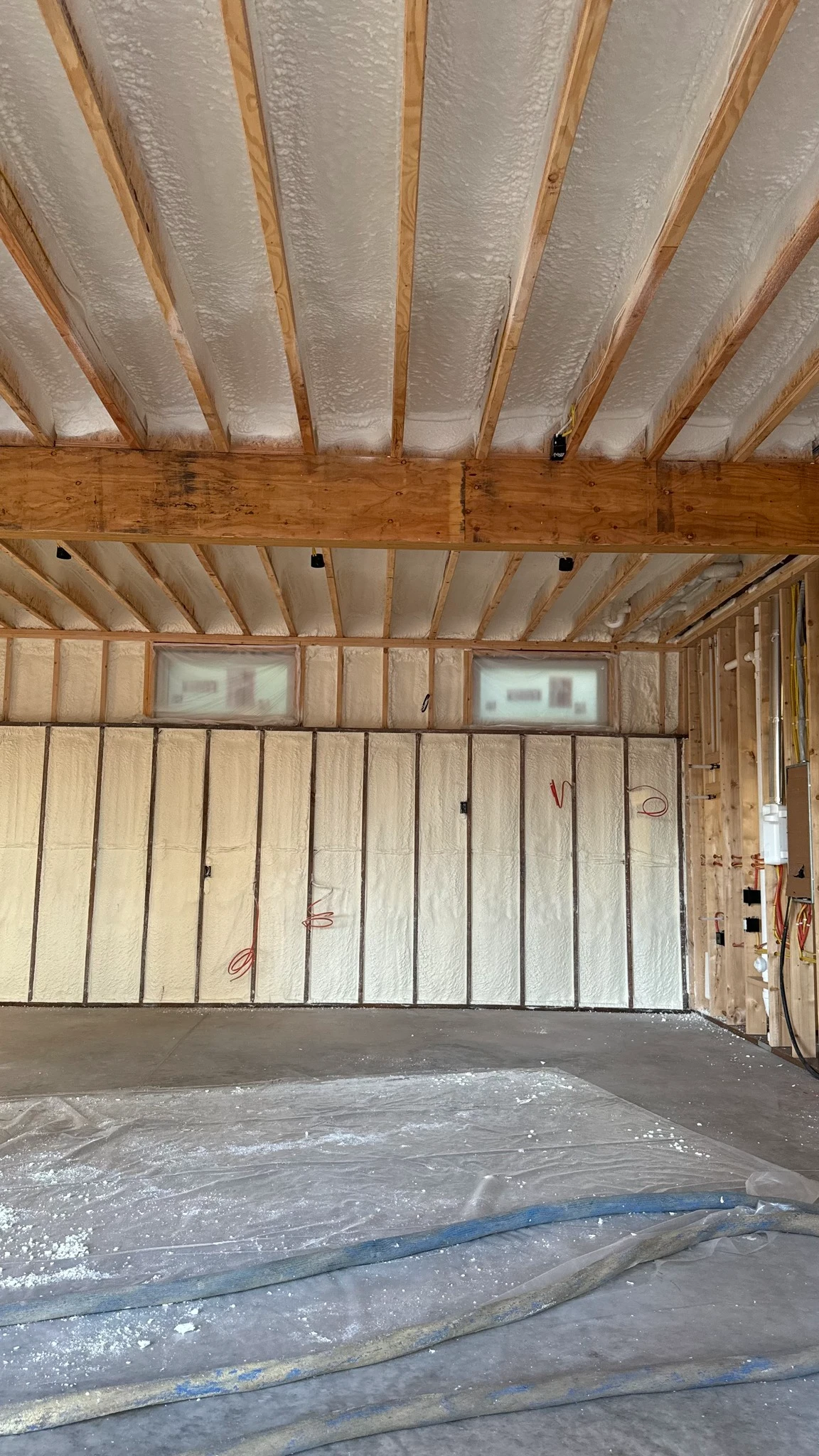
Closed-cell spray foam insulation improves sound dampening in Evergreen, MT, primarily because its dense, closed-cell structure creates an effective air barrier that absorbs and blocks sound waves. The foam’s physical properties, including its high density and ability to completely seal gaps and cracks, significantly reduce the transmission of airborne sound between rooms and from outside sources. This makes it particularly valuable in areas like Evergreen, where seasonal temperature variations and local noise sources can impact indoor comfort.
For homeowners considering acoustic improvements, understanding how closed-cell spray foam works goes beyond simple insulation knowledge. The information below comes from years of hands-on installation experience across Montana’s diverse building conditions, addressing both the scientific principles and practical applications that matter most for effective sound control in residential and commercial spaces.
Sound travels through buildings in three main ways: airborne transmission, impact transmission, and flanking paths. Airborne sound includes voices, music, and traffic noise. Impact sound comes from vibrations, such as footsteps on floors or closing doors. Flanking paths are indirect routes where sound travels through structural connections between building elements.
Most sound problems in homes involve airborne transmission through walls, ceilings, and floors. Traditional insulation materials like fiberglass or cellulose can reduce some sound, but they often leave small gaps and air pockets that allow sound waves to continue traveling. These gaps are particularly problematic in older buildings common throughout Montana, where construction techniques varied widely over the decades.
The effectiveness of sound reduction depends on mass, damping, and decoupling. Mass blocks sound, damping absorbs it, and decoupling breaks the structural path for sound vibrations. Closed-cell spray foam addresses all three aspects simultaneously, which is why it outperforms many traditional materials in real-world applications.
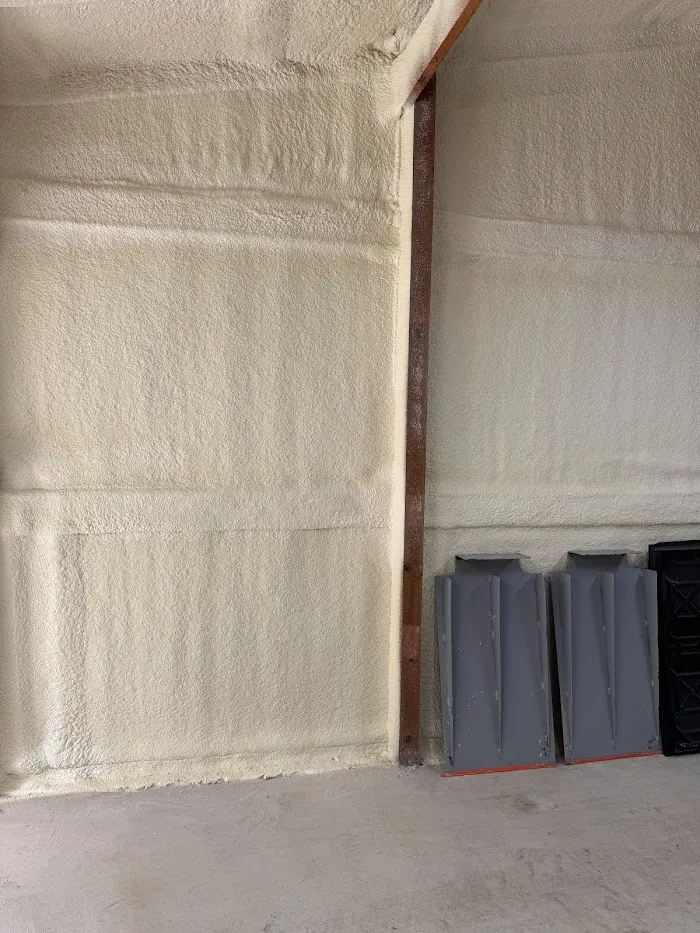
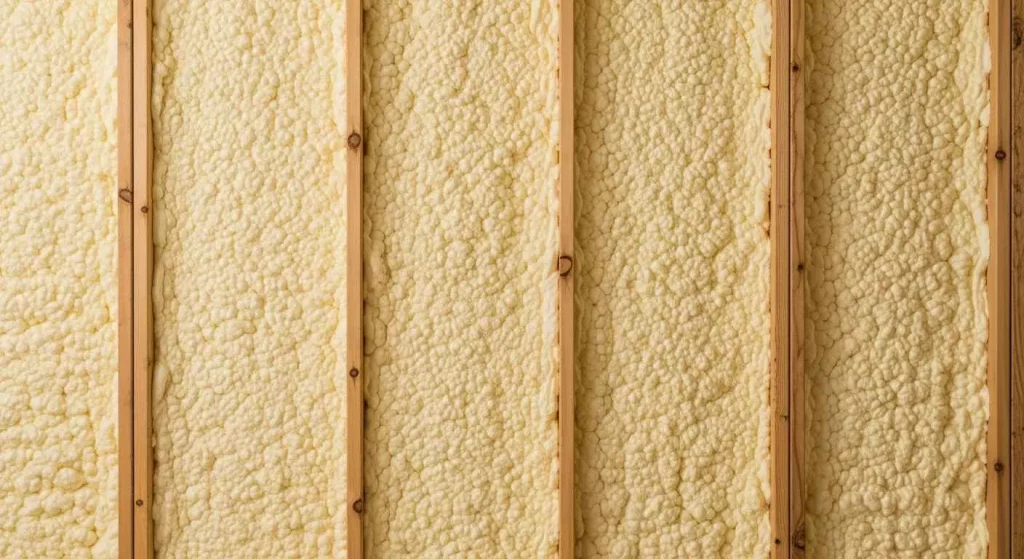
Closed-cell spray foam consists of millions of tiny, sealed cells filled with gas. This structure gives it a density of around 1.75 to 2.0 pounds per cubic foot, significantly heavier than open-cell foam or fiberglass insulation. The higher mass directly contributes to better sound-blocking capabilities.
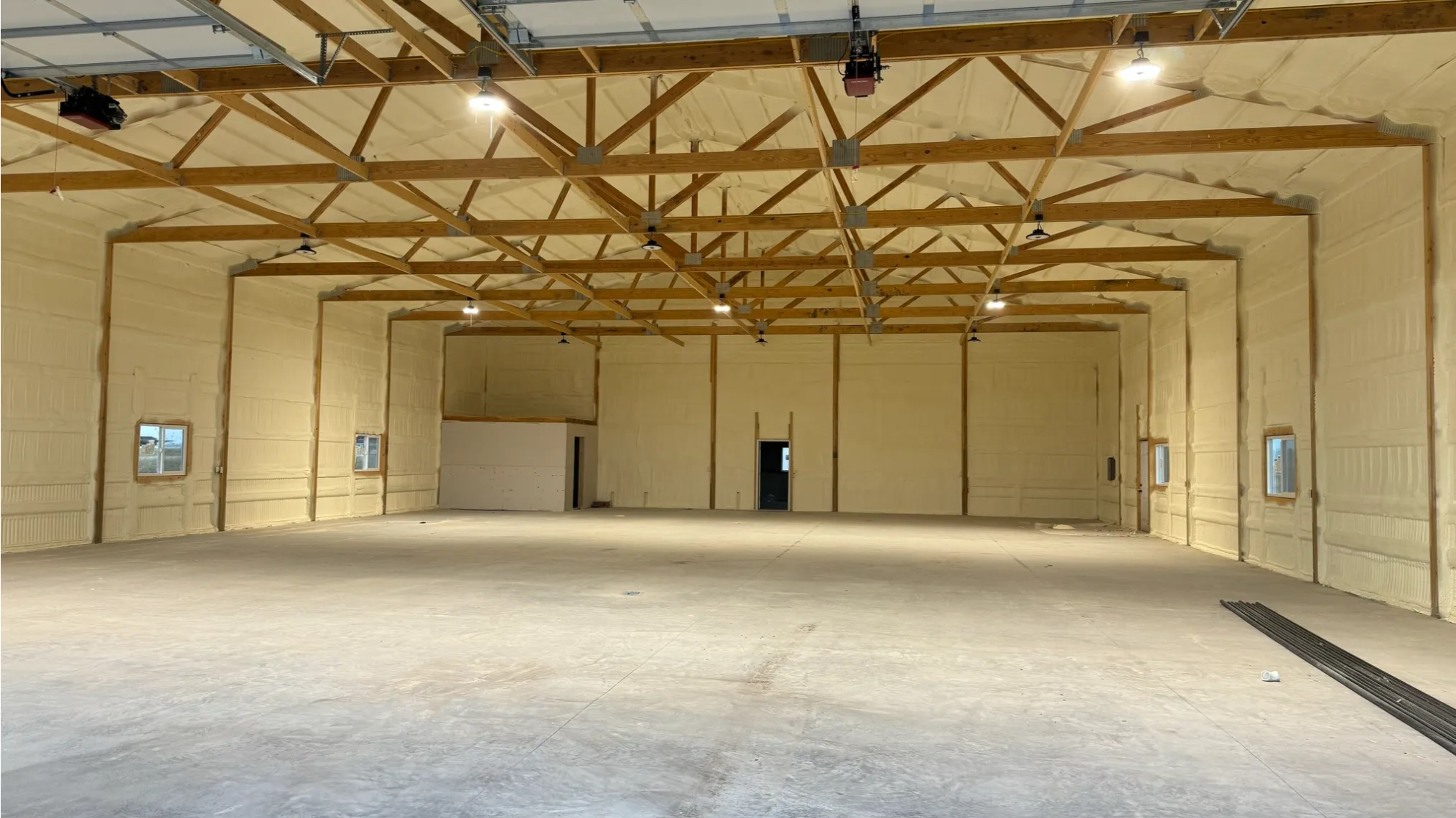
The cells’ closed nature prevents air movement within the material, which is crucial for sound dampening. Sound waves require a medium to travel, and by trapping air in isolated pockets, the foam disrupts the transmission path. Additionally, the foam expands to fill every crevice and gap, eliminating the flanking paths that typically let sound bypass insulation.
According to research published by the Building Science Corporation, properly installed closed-cell spray foam can reduce sound transmission by 50-80% compared to uninsulated cavities. The material’s ability to maintain its properties over time without settling or compressing ensures consistent acoustic performance for years after installation.
Different insulation materials handle sound transmission in distinct ways. Understanding these differences helps homeowners make informed decisions about their acoustic needs. The table below compares common insulation options for sound reduction:
| Insulation Type | Density (lbs/ft³) | Sound Transmission Class (STC) Rating | Air Sealing Ability |
|---|---|---|---|
| Closed-Cell Foam | 1.75-2.0 | 40-50 | Excellent |
| Open-Cell Foam | 0.5-0.8 | 30-35 | Good |
| Fiberglass Batts | 0.5-1.0 | 25-35 | Poor |
| Cellulose | 2.5-3.0 | 35-40 | Fair |
| Mineral Wool | 4.0-6.0 | 40-45 | Fair |
The Oak Ridge National Laboratory measures how well a material reduces airborne sound. Higher numbers indicate better performance. While mineral wool has excellent density, its installation in batt form often leaves gaps that reduce its real-world effectiveness. Closed-cell spray foam’s ability to seal completely gives it an advantage in practical applications.
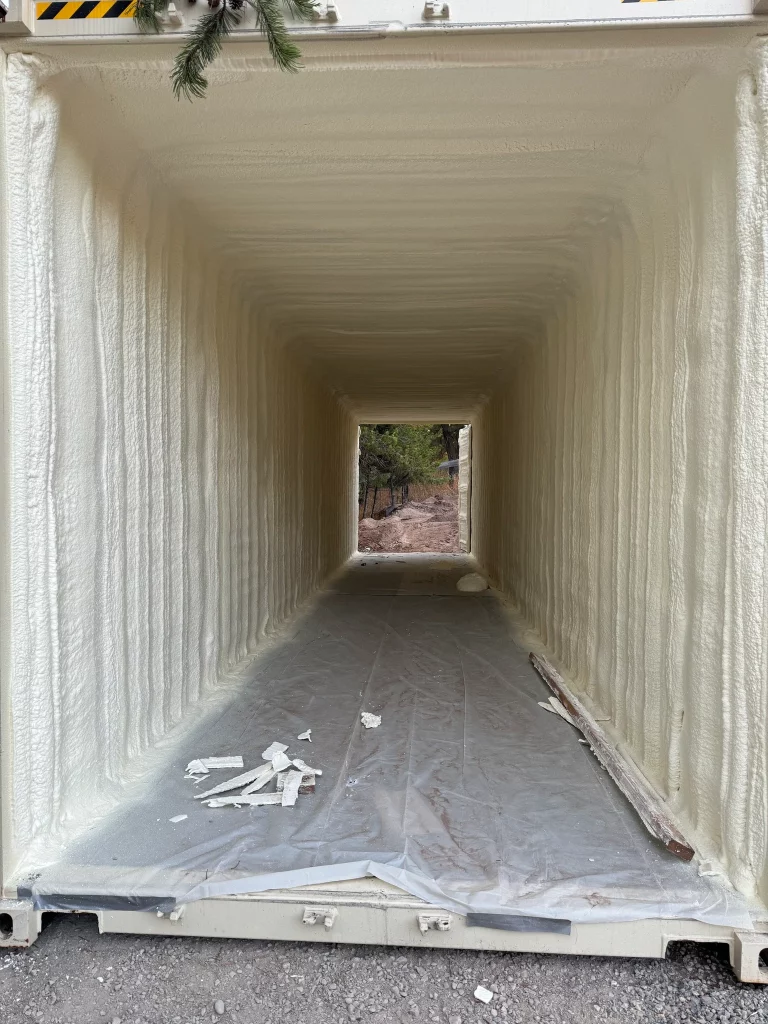
Evergreen’s climate presents specific challenges that make closed-cell spray foam particularly suitable. The area experiences temperature swings from below zero in winter to over 90°F in summer, causing building materials to expand and contract significantly. This thermal movement can create gaps in traditional insulation systems over time, reducing their acoustic effectiveness.
The local terrain and vegetation patterns also affect sound transmission. Evergreen’s mix of open valleys and forested areas can create interesting acoustic environments where sound travels differently than in flat urban settings. Homes near Flathead Lake or in the foothills of the Swan Range may experience unique sound patterns that benefit from comprehensive acoustic treatment.
Montana’s building codes and practices also factor into insulation decisions. The Montana Department of Environmental Quality recommends air sealing measures that align well with closed-cell spray foam applications, particularly for homes in mountain regions where energy efficiency and comfort are priorities.
Bonus Tip: In Evergreen’s variable climate, combining closed-cell spray foam with proper window selection can dramatically improve overall acoustic performance. Many local sound issues come from windows rather than walls.
Several factors should influence your choice of sound insulation. The first consideration is the specific noise problem you’re trying to solve. Traffic noise requires a different treatment than impact sound from upstairs, and the foam’s application method varies accordingly.
Budget constraints often play a role, though it’s worth considering the long-term value rather than just upfront costs. Closed-cell spray foam typically costs more initially but provides both acoustic and thermal benefits that can reduce energy bills over time. The material’s longevity also means fewer replacements or repairs down the road.
Building structure and accessibility matter too. Closed-cell spray foam requires professional installation with specialized equipment. It’s best applied during construction or major renovations when walls are open. Retrofitting existing walls with spray foam often means removing drywall, which adds to the project scope and cost.
Bonus Tip: For homeowners planning partial renovations, focus on critical areas first. Master bedrooms, home offices, and entertainment spaces often provide the best return on investment for acoustic improvements.
Selecting the right acoustic insulation solution depends on your specific situation, budget, and long-term goals. Closed-cell spray foam offers significant advantages for sound dampening in Evergreen homes, particularly when installed as part of a comprehensive approach to comfort and energy efficiency.
Consider conducting a professional sound assessment to identify the main sources of noise transmission in your home. This evaluation helps determine where closed-cell spray foam will provide the greatest benefit and whether additional measures might be necessary for complete acoustic comfort.
For homeowners in Evergreen, MT seeking expert guidance on acoustic insulation, Wegner Insulation provides professional assessments and installation services. Contact Anthony Wegner at [email protected] or call (406) 654-4636 to schedule a consultation about your sound-dampening needs. The team brings extensive experience with Montana’s unique building challenges and acoustic requirements.
For sound control, 2-3 inches of closed-cell spray foam typically provides the best balance of performance and cost. Thinner applications help with air sealing but offer limited acoustic benefits, while applications thicker than 3 inches show diminishing returns for sound reduction specifically.
Yes, the foam’s density and sealing properties are particularly effective against plumbing noise. When applied around pipes and in wall cavities, it reduces both the sound of water flowing and the vibration transfer through structural connections.
Closed-cell spray foam and acoustic foam serve different purposes. Acoustic foam is designed for sound absorption within a room (reducing echo and reverberation), while closed-cell spray foam blocks sound transmission between spaces. For overall sound control, they can complement each other.
When properly installed, closed-cell spray foam maintains its acoustic properties indefinitely. The material doesn’t settle, compress, or degrade over time like some traditional insulation materials, ensuring consistent performance throughout the building’s lifespan.
Closed-cell spray foam primarily addresses airborne sound transmission. For impact noise, especially on floors, combining the foam with other techniques like resilient channels or underlayment provides more comprehensive solutions.