What is the Real Cost of Closed-Cell Spray Foam Insulation in Kalispell Homes
Closed-cell spray foam insulation in Kalispell homes costs between $1.00 and $1.25 per square foot per inch of thickness installed,…


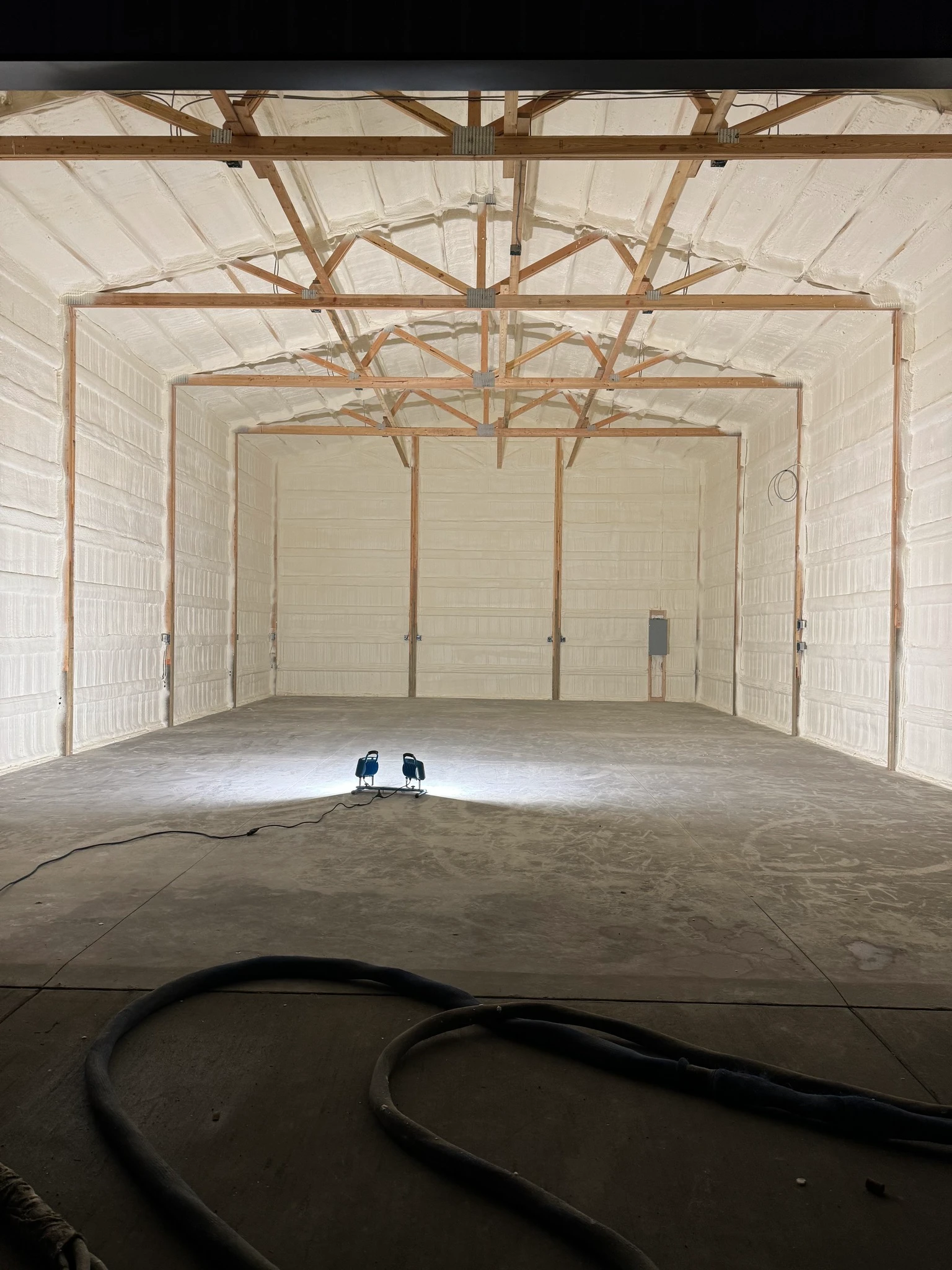
Imagine walking into your home during the dead of winter and feeling perfectly comfortable without cranking up the heat, or enjoying cool summer days without your air conditioner working overtime. This isn’t just about comfort; it’s about energy efficiency, cost savings, and creating a healthier living environment. That’s exactly what modern closed-cell spray foam insulation delivers for homeowners and builders who understand its value.
This comprehensive guide stems from years of hands-on experience in the insulation industry, working with countless homeowners and contractors to optimize building performance. We’ve seen firsthand how the right insulation choice can transform a property’s energy efficiency, comfort level, and long-term value. Closed-cell spray foam stands out as one of the most effective insulation solutions available today, but many people still have questions about what it is, how it works, and whether it’s worth the investment.
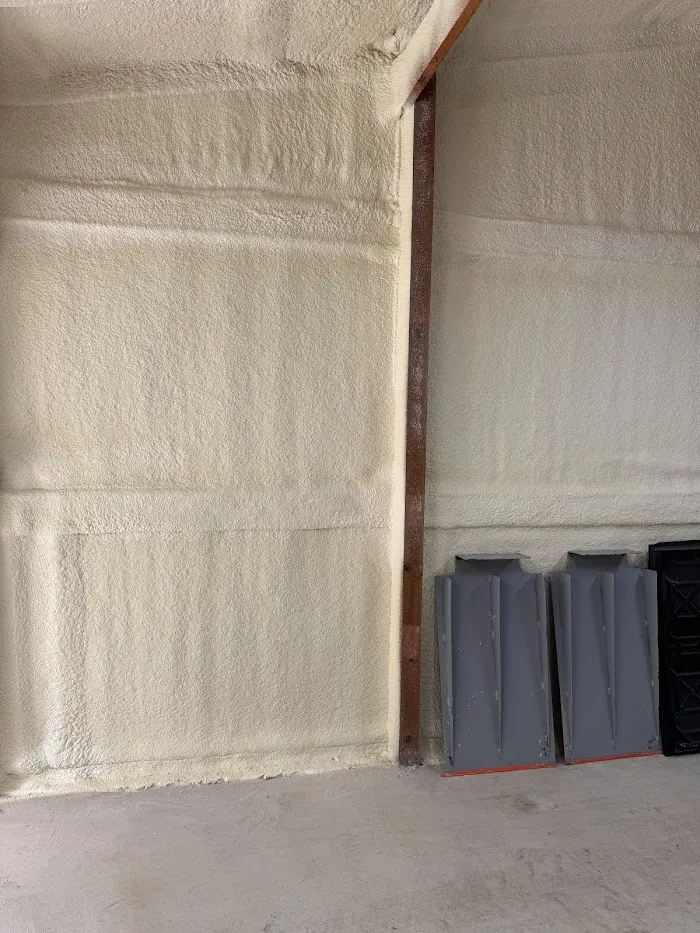
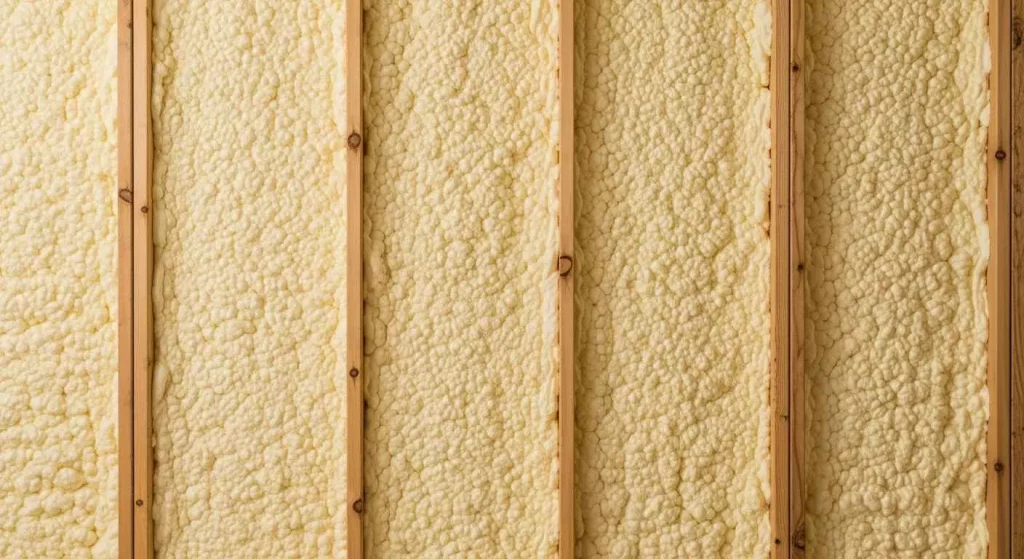
Closed-cell spray foam insulation is a modern insulation material that starts as two liquid components which, when combined and sprayed, expand and harden into a solid cellular structure. The “closed-cell” aspect refers to the material’s internal structure, tiny bubbles or cells that are completely sealed off from each other, filled with gas that provides superior insulating properties. This contrasts with open-cell foam, where the cells are interconnected and more porous.
The magic happens during installation when specialized equipment heats these two liquid chemicals (typically polyol resin and isocyanate) and sprays them simultaneously through a spray gun. When they meet, a chemical reaction occurs, causing the mixture to expand rapidly up to 30-60 times its original volume, creating a continuous insulation barrier that fills every crack, gap, and void in the application area.
What makes closed-cell foam particularly special is its density. At approximately 2 pounds per cubic foot, it’s substantially denser than its open-cell counterpart, which typically measures around 0.5 pounds per cubic foot. This density gives it unique properties that go beyond just insulation, including structural reinforcement and moisture resistance.
According to the U.S. Department of Energy, closed-cell spray foam offers one of the highest R-values per inch of any insulation material available today, typically around R-6.5 to R-7 per inch. This thermal resistance means you can achieve the same insulating power with less material thickness compared to traditional insulation options.
Expert Tip: When evaluating spray foam options, always ask for the manufacturer’s technical data sheet. This document provides critical information about R-values, density, and application temperatures that will help ensure you’re getting genuine closed-cell foam rather than a hybrid or lower-quality product.
Understanding how closed-cell spray foam functions requires looking at three key physical properties: thermal resistance, air sealing, and moisture management. These three elements work together to create the superior performance that makes this insulation type so effective.
The thermal resistance comes from the trapped gas within those sealed cells. Most closed-cell foams use a blowing agent with low thermal conductivity, such as hydrofluoroolefins (HFOs) or, in older formulations, hydrofluorocarbons (HFCs). This gas has much better insulating properties than air, creating thermal barriers that significantly reduce heat transfer. The cell walls themselves also contribute to insulation, but the gas fill is what gives closed-cell foam its exceptional R-value.
The air sealing capability is equally important. Traditional insulation materials like fiberglass or cellulose can effectively slow heat transfer, but they don’t stop air movement. Air leaks can account for 25-40% of the energy used for heating and cooling in a typical home, according to Energy Star. Closed-cell spray foam expands to fill every gap and crack, creating an airtight barrier that eliminates these energy-wasting leaks.
For moisture management, the closed-cell structure acts as a vapor retarder. The sealed cells prevent moisture from passing through the material, helping to protect your building envelope from condensation, mold growth, and water damage. This is particularly important in climates where temperature differentials between inside and outside can cause moisture problems.
Key Takeaways:
The chemical reaction that creates foam is called polymerization, and it’s exothermic—meaning it generates heat. This is why installation thickness matters. When applying foam more than a few inches thick, installers must work in multiple passes to allow heat to dissipate and prevent potential damage to the material or surrounding structures.
Closed-cell spray foam isn’t a one-size-fits-all solution. Different formulations are designed for specific applications, and understanding these variations helps ensure you’re using the right product for your needs.
The primary categories include high-pressure foam systems, medium-pressure systems, and portable low-pressure kits. High-pressure systems are typically used by professional contractors for large-scale projects such as new construction or whole-home insulation. These systems can apply foam quickly and evenly, with better control over the expansion ratio and cell structure. Medium-pressure systems offer similar performance but with slightly smaller equipment, making them suitable for retrofitting existing homes. Low-pressure kits are designed for smaller projects and DIY applications, though they typically don’t achieve the same quality of cell structure or R-value as professional systems.
Common applications include:
Different manufacturers also offer variations in their formulations. Some foams are designed with faster cure times for quick project completion, while others offer improved flexibility to accommodate building movement. Specialized formulations are available for specific applications like roofing, with enhanced UV resistance or compatibility with roofing materials.
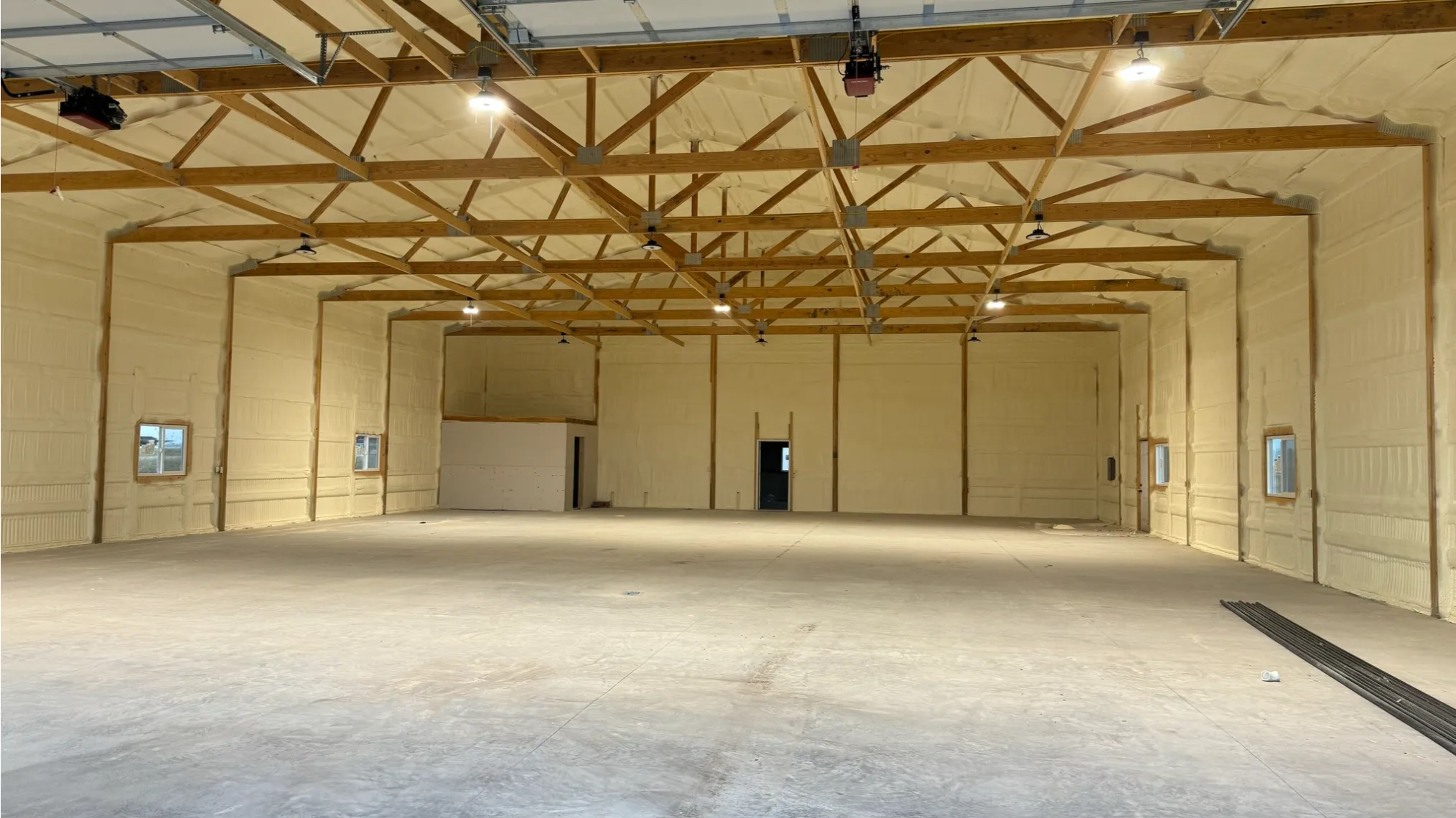
The choice of application method often depends on the project scope and accessibility. For new construction, installing foam before drywall goes up allows for perfect coverage. Retrofit applications require drilling strategic holes in walls or working in accessible areas like attics and crawl spaces.
The benefits of closed-cell spray foam extend far beyond simple temperature control. When installed correctly, this insulation solution delivers multiple advantages that can significantly improve your building’s performance and value.
Energy Efficiency The primary benefit most homeowners notice is reduced energy costs. The high R-value per inch means you can achieve excellent thermal performance with less material thickness. When combined with its superior air sealing capabilities, closed-cell foam can reduce heating and cooling costs by 30-50% compared to traditional insulation materials. The U.S. Environmental Protection Agency reports that proper insulation and air sealing can save homeowners up to 15% on heating and cooling costs.
Structural Strength Closed-cell foam adds structural integrity to your building. Its density and adhesion properties can increase wall and roof racking strength by up to 300%. This structural reinforcement is particularly valuable in areas prone to severe weather or seismic activity, providing added resistance against wind uplift and structural stresses.
Moisture Management Unlike some insulation materials that can promote mold growth when exposed to moisture, closed-cell foam resists water absorption and doesn’t support mold growth. Its vapor retarder properties (with a permeability rating of less than 1.0 perm at 3 inches thickness) help prevent condensation issues within wall assemblies, protecting your building from moisture-related damage.
Space Efficiency Because closed-cell foam delivers high R-value in thin layers, it preserves interior living space. You can achieve R-21 insulation value with just 3 inches of closed-cell foam, compared to 5.5 inches of fiberglass or 6 inches of cellulose needed for the same thermal performance.
Longevity and Durability Closed-cell spray foam doesn’t settle, compress, or degrade over time like some traditional insulation materials. Once installed, it maintains its insulating properties for the life of the building without needing replacement or maintenance. Most manufacturers offer warranties of 25 years or more, though the material typically lasts much longer than that.
Key Takeaways:
Environmental Impact Modern closed-cell foams use more environmentally friendly blowing agents than older formulations. The industry has shifted from hydrofluorocarbons (HFCs) to hydrofluoroolefins (HFOs), which have significantly lower global warming potential. While spray foam is a petroleum-based product, its energy-saving benefits over the life of the building can offset its initial environmental impact many times over.
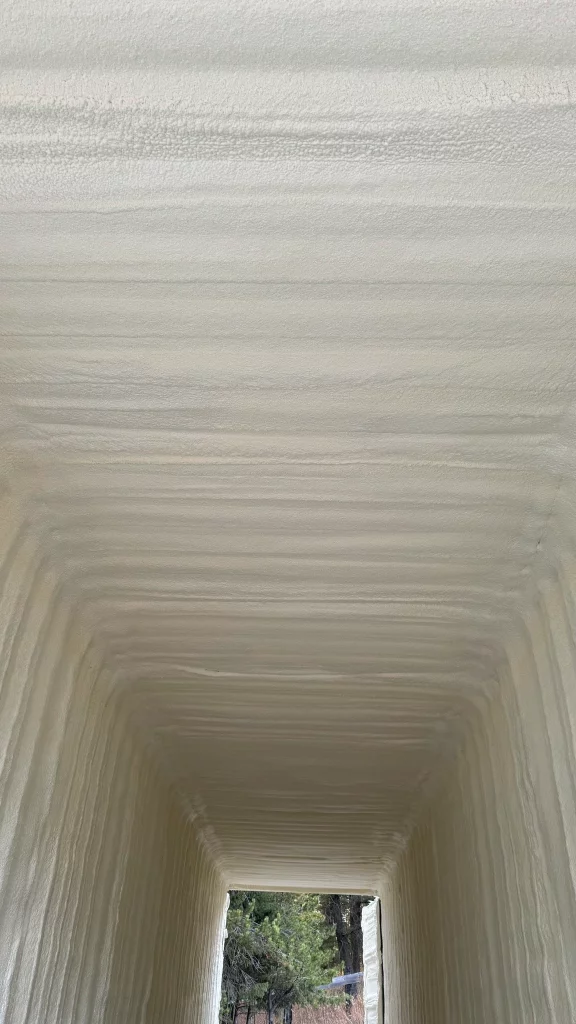
Proper installation is critical for achieving the performance benefits of closed-cell spray foam. This isn’t a DIY project for most homeowners—it requires specialized equipment, safety training, and technical knowledge to ensure optimal results.
Preparation Phase Before installation begins, the area must be thoroughly prepared. All surfaces should be clean, dry, and free of dust, oil, or contaminants that could affect foam adhesion. Electrical outlets, light fixtures, and other penetrations need to be protected or removed. The work area should be ventilated, and all HVAC systems should be either shut down or sealed to prevent foam particles from entering ductwork.
Professional installers will set up containment systems using plastic sheeting to protect adjacent areas from overspray. They’ll also establish proper ventilation and wear appropriate personal protective equipment, including respirators, gloves, and protective clothing.
Application Process The actual installation involves spraying the liquid foam components through a heated hose and spray gun. As the chemicals exit the gun, they begin reacting and expanding. Installers must maintain the correct temperature (typically 120-140°F for the hose and 140-160°F at the gun) and pressure settings to ensure proper cell formation and expansion.
The application technique involves passing the spray gun over the surface in consistent, overlapping passes. The foam expands to fill the cavity, but installers must control the thickness to avoid overfilling, which could cause bowing in drywall or other structural issues. For areas requiring more than 2 inches of thickness, installation typically happens in multiple passes, with each layer allowed to partially cure before applying the next.
Expert Tip: The ideal temperature for installing closed-cell spray foam is between 70-85°F. Temperature extremes can affect the foam’s expansion ratio and cell structure. Professional contractors will monitor surface and ambient temperatures throughout the installation process to ensure optimal curing conditions.
Curing and Cleanup After application, the foam cures quickly, reaching full expansion within seconds and becoming tack-free within minutes. However, complete chemical curing can take 24-48 hours. During this time, the area should remain well-ventilated to allow any residual chemical odors to dissipate.
Excess foam can be trimmed once it’s partially cured, typically within 30-60 minutes of application. Installers use specialized saws or knives to cut foam flush with framing members, creating smooth surfaces ready for drywall or other finishing materials.
Quality Control Professional installation includes quality control checks throughout the process. Installers will verify foam thickness, check for complete cavity fill, and ensure proper adhesion to surrounding materials. They may use thermal imaging cameras after installation to identify any gaps or areas that need additional attention.
The entire installation process typically moves quickly once prepared. A skilled crew can insulate an average-sized home’s walls in 1-2 days, with additional time for attics, crawl spaces, or other complex areas.
Understanding the financial aspects of closed-cell spray foam insulation helps you make informed decisions about your investment. While the upfront costs are higher than traditional insulation options, the long-term return on investment often makes it the more economical choice over time.
Several factors influence the final cost:
| Insulation Type | R-Value | Lifespan | Energy Savings |
|---|---|---|---|
| Closed-Cell Foam | R-19.5 – R-21 | 50+ years | 30-50% |
| Open-Cell Foam | R-10.5 – R-12 | 50+ years | 20-30% |
| Fiberglass | R-10.5 – R-13 | 15-20 years | 10-20% |
| Cellulose | R-12 – R-13.5 | 20-30 years | 15-25% |
Expert Tip: When comparing costs, consider the “total R-value” rather than just thickness. Three inches of closed-cell foam provides better insulation performance than six inches of fiberglass, meaning you’re actually getting more value per dollar despite the higher upfront cost.
Long-Term Energy Savings The real financial benefits come from reduced energy bills over the life of the insulation. According to the North American Insulation Manufacturers Association, proper insulation can save homeowners up to 15% on heating and cooling costs. With closed-cell spray foam’s superior performance, savings often reach 30-50%, translating to $600-1,500 annually for an average home in a moderate climate.
Payback Period Based on typical energy savings and installation costs, the payback period for closed-cell spray foam usually ranges from 5-10 years. After this period, the insulation continues providing pure energy savings for the remainder of its lifespan. When you factor in increased property value, reduced maintenance costs, and improved comfort, the return on investment becomes even more favorable.
Additional Financial Benefits Several financial incentives can help offset installation costs:
Even the best insulation solutions come with potential challenges. Understanding these issues and knowing how to address them helps ensure the successful installation and long-term performance of your closed-cell spray foam insulation.
Installation Quality Variations The biggest challenge with spray foam insulation is finding qualified installers. The quality of installation directly affects performance, and poor installation can lead to problems like inadequate coverage, improper expansion, or voids in the insulation barrier.
To overcome this challenge, thoroughly vet potential contractors:
Overspray Issues Overspray can be problematic during installation, potentially damaging windows, siding, and other surfaces. Professional installers use masking and containment systems to prevent overspray, but homeowners should still protect valuable items and ensure proper preparation.
Moisture Concerns in Existing Walls When retrofitting insulation in existing walls, there’s a risk of trapping moisture between the old insulation and the new spray foam. This can lead to rot or mold if not addressed properly. Solutions include:
Chemical Sensitivities Some people experience sensitivity to the chemicals in spray foam during and immediately after installation. Proper ventilation during and for 48-72 hours after installation typically resolves this issue. Those with severe chemical sensitivities should discuss alternative options with their contractor.
Building Code Compliance Building codes vary by region and have specific requirements for spray foam insulation, including ignition barriers, thermal barriers, and ventilation requirements. Working with experienced contractors who understand local codes ensures compliance and prevents potential issues during inspections.
Key Takeaways:
Expert Tip: Request a test spray before committing to a full installation. A reputable contractor should be willing to demonstrate the process on a small area, showing you the expansion rate, cure time, and final quality of the foam they plan to use.
Understanding how closed-cell spray foam stacks up against other insulation options helps you make the best choice for your specific situation. Each insulation type has distinct advantages and limitations depending on your climate, building type, and performance goals.
Closed-Cell vs. Open-Cell Foam The most direct comparison is with open-cell spray foam. While both are spray-applied polyurethane foams, they perform differently:
Closed-Cell vs. Fiberglass Fiberglass insulation remains the most common insulation material in the United States, largely due to its low cost and ease of installation. However, it differs significantly from closed-cell spray foam:
Fiberglass doesn’t air seal, leaving gaps that allow air movement and energy loss. It can also settle over time, reducing its R-value. Closed-cell foam maintains its shape and provides an air barrier along with insulation. While fiberglass costs less upfront, it typically needs replacement after 15-20 years, whereas closed-cell foam lasts 50+ years.
Closed-Cell vs. Cellulose Cellulose insulation, made from recycled paper products, offers better environmental credentials than most insulation options. It provides decent R-values (around R-3.5 per inch) and better air sealing than fiberglass, but still can’t match the performance of closed-cell foam.
Cellulose can settle over time, reducing its effectiveness. It’s also susceptible to moisture problems and can support mold growth if it gets wet. Closed-cell foam provides superior moisture resistance and doesn’t settle, maintaining consistent performance over time.
Closed-Cell vs. Rigid Foam Boards Rigid foam boards (like XPS, EPS, and polyiso) offer high R-values and moisture resistance similar to closed-cell spray foam. However, they come in sheets that must be cut and fitted, making it difficult to achieve complete coverage around irregular shapes and penetrations.
Spray foam fills gaps completely and creates a monolithic insulation layer without thermal bridges. While rigid boards work well for continuous exterior insulation, spray foam excels in cavity applications where complete fill is critical.
Expert Tip: The best insulation solution often combines different materials. For example, using closed-cell spray foam for air sealing in cavities along with rigid foam boards for continuous exterior insulation can deliver optimal performance in some applications.
The choice between insulation types should consider your specific climate zone, building design, budget, and performance goals.Can help you evaluate the best options for your particular situation.
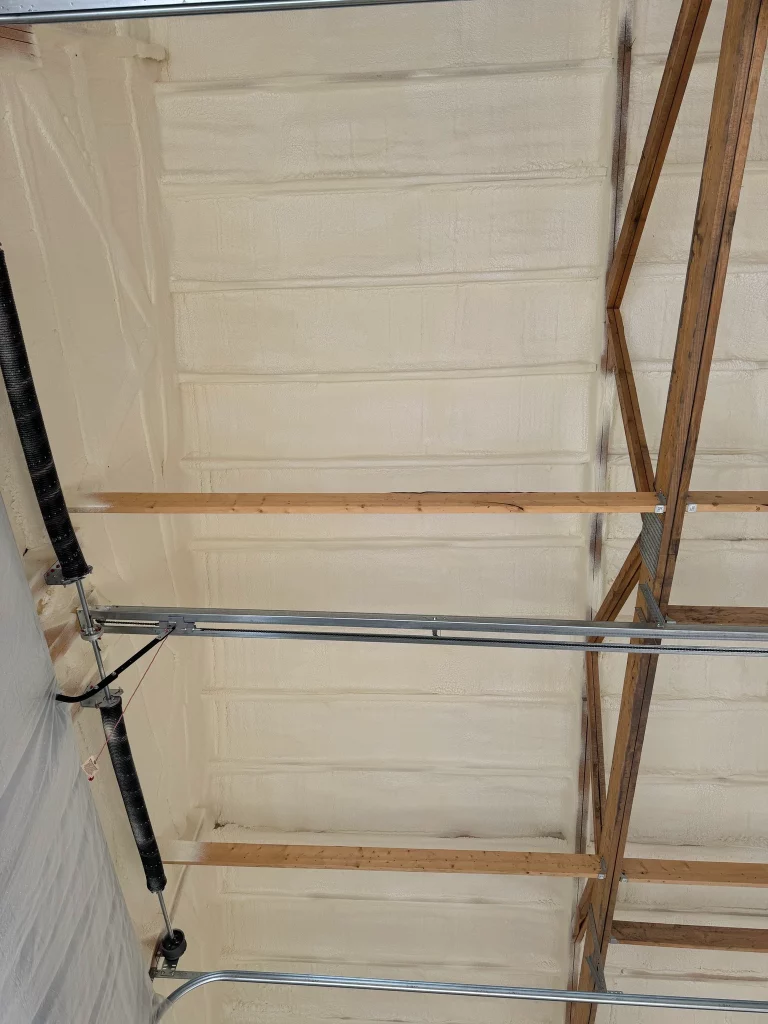
One of the most attractive features of closed-cell spray foam insulation is its longevity and minimal maintenance requirements. Unlike many building materials that degrade over time, properly installed closed-cell foam maintains its performance characteristics for decades without significant upkeep.
Expected Lifespan Closed-cell spray foam insulation typically lasts 50+ years, often matching or exceeding the lifespan of the building itself. The chemical reaction that creates the foam results in a stable, inert material that doesn’t break down, settle, or deteriorate under normal conditions. Most manufacturers offer warranties ranging from 25 years to lifetime, though the material often outlasts these warranty periods.
Routine Maintenance Needs Once installed, closed-cell spray foam requires virtually no routine maintenance. The material is resistant to pests, mold, and moisture damage, eliminating common issues that plague other insulation types. Unlike cellulose or fiberglass, it doesn’t need periodic replacement or topping off due to settling or compression.
Visual Inspections While the foam itself doesn’t require maintenance, periodic visual inspections are worthwhile to ensure the building envelope remains intact. Check for:
Repair Considerations If closed-cell foam does get damaged, repairs are relatively straightforward. Small holes or cracks can be filled with spray foam from a can, while larger areas might need professional attention. The repair process typically involves cleaning the damaged area, ensuring it’s dry, and applying new foam to seal the breach.
Post-Installation Considerations After installation, there are a few important considerations for maintaining optimal performance:
Expert Tip: Keep detailed records of your insulation installation, including the type of foam used, the thickness applied in different areas, and the installing contractor’s information. This documentation is valuable for future renovations, real estate transactions, and warranty claims.
The durability of closed-cell spray foam contributes significantly to its lifecycle cost advantage. While the initial investment may be higher than traditional insulation materials, the elimination of replacement costs and minimal maintenance requirements improves its economic performance over the long term. According to a study by the Insulation Institute, homes with spray foam insulation consistently maintain their energy efficiency ratings over decades, while homes with traditional insulation materials often show declining performance as materials age and settle.
The spray foam insulation industry continues to evolve, with new technologies and formulations addressing environmental concerns, installation efficiency, and performance enhancements. Understanding these trends helps you make future-ready decisions about your insulation investments.
Environmentally Friendly Formulations The most significant trend in recent years has been the shift toward more environmentally friendly blowing agents. Traditional HFCs (hydrofluorocarbons) had high global warming potential, but new HFOs (hydrofluoroolefins) have dramatically reduced environmental impact. Some manufacturers are developing water-blown foams that eliminate synthetic blowing agents altogether, though these typically don’t achieve the same R-values as current closed-cell formulations.
Bio-based polyols derived from renewable resources like soy or castor oil are also gaining traction. These materials replace portions of petroleum-based components with sustainable alternatives without compromising performance. While fully bio-based spray foams aren’t yet commercially viable for most applications, hybrid formulations containing 20-50% renewable content are becoming more common.
Smart Insulation Technologies Emerging smart insulation technologies integrate sensors and monitoring capabilities directly into foam insulation. These systems can track temperature changes, moisture levels, and even detect potential air leaks, providing real-time data about building envelope performance. While still in early development stages, these technologies could revolutionize how we monitor and maintain building efficiency.
Improved Installation Efficiency Manufacturers are developing new application systems that make installation faster and more precise. Temperature-controlled spray guns, automated mixing systems, and real-time monitoring of application parameters help ensure consistent quality while reducing installation time. Some systems now include sensors that track foam thickness during application, helping prevent over- or under-application.
Enhanced Fire Performance Fire safety standards continue to drive innovation in spray foam formulations. New developments include improved intumescent coatings and additives that help foam perform better in fire situations. While spray foam is combustible and requires proper fire barriers, these advances are helping address fire safety concerns.
Regulatory Changes Building codes and environmental regulations continue to evolve, affecting spray foam insulation requirements. Changes in energy codes are driving demand for higher R-values and better air sealing, while environmental regulations are phasing out certain blowing agents. Staying informed about these changes helps ensure compliance and optimal performance choices.
Market Growth Projections The spray foam insulation market continues its robust growth trajectory. According to industry analysts, the global market is expected to reach $4.3 billion by 2028, growing at 5.8% annually. This growth reflects increasing recognition of spray foam’s benefits and rising energy efficiency standards worldwide.
Key Takeaways:
Expert Tip: When planning insulation projects, consider future-proofing your installation by choosing formulations that meet or exceed upcoming environmental regulations and energy code requirements. While these might cost slightly more initially, they can prevent the need for future upgrades and ensure long-term compliance.
The future of closed-cell spray foam insulation looks promising, with continued improvements in environmental performance, installation efficiency, and overall effectiveness. As building science advances and energy requirements become more stringent, spray foam’s unique combination of high R-value, air sealing, and moisture resistance positions it well to remain a leading insulation solution.
You now have a comprehensive understanding of modern closed-cell spray foam insulation how it works, where it excels, and what to consider when making installation decisions. The information in this guide should give you confidence to evaluate your insulation needs and make informed choices about your building envelope.
The key takeaways are clear: closed-cell spray foam offers superior R-values, excellent air sealing, moisture resistance, and structural benefits that traditional insulation materials can’t match. While the initial investment is higher, the long-term energy savings, comfort improvements, and durability make it a wise choice for many homeowners and builders.
Use this guide as a reference as you plan your insulation project. Consider your specific climate, building design, and performance goals. Evaluate different insulation options realistically, factoring in both short-term costs and long-term benefits. Remember that quality installation is just as important as the material itself—choose experienced, certified contractors who understand the technical aspects of spray foam application.
As you move forward with your insulation decisions, keep in mind that the building envelope is a system. Your insulation choice works in conjunction with windows, doors, ventilation systems, and HVAC equipment to determine your home’s overall energy performance and comfort level. Thinking about these components together helps ensure optimal results.
Making the right insulation decision requires expertise and experience. If you’re considering closed-cell spray foam insulation for your home or building project, Wegner Insulation offers professional consultation and installation services. With years of experience in the insulation industry, we can help you evaluate your options and ensure optimal performance for your specific situation. For personalized guidance or to schedule an assessment, contact us at [email protected] or call (406) 654-4636.
When properly installed and fully cured, closed-cell spray foam is safe and inert. During installation, proper ventilation and protective equipment are essential due to chemical emissions. After 24-72 hours of curing with adequate ventilation, the material becomes stable and doesn’t off-gas harmful chemicals. Choose certified installers who follow proper safety protocols for the best results.
The optimal thickness depends on your climate zone and local building codes. In most applications, 2-3 inches in walls and 4-6 inches in attics provide sufficient R-value for energy efficiency. Check with local building authorities for specific requirements in your area, as some regions have minimum thickness requirements for vapor barrier performance.
DIY installation is not recommended for closed-cell spray foam. The process requires specialized equipment, safety training, and technical expertise to achieve proper performance. Low-pressure DIY kits are available for small projects, but they don’t achieve the same quality or R-value as professional high-pressure systems. Professional installation ensures proper coverage, safety, and warranty protection.
When installed correctly in roof assemblies, closed-cell spray foam helps protect roofing materials by reducing temperature fluctuations and preventing condensation. However, proper installation is crucial. In some cold climates, installing foam directly against roof sheathing without proper ventilation can lead to moisture issues. Consult with experienced contractors familiar with your climate zone’s specific requirements.
Closed-cell spray foam insulation typically lasts 50+ years, often matching the building’s lifespan. The material doesn’t settle, compress, or degrade over time. Most manufacturers offer warranties of 25 years or more, though the actual lifespan usually exceeds these warranty periods significantly.
While closed-cell spray foam has higher upfront costs than traditional insulation, its superior performance often makes it more economical over time. The energy savings, increased property value, improved comfort, and longevity typically provide a return on investment within 5-10 years. After that period, the insulation continues providing pure energy savings for decades.