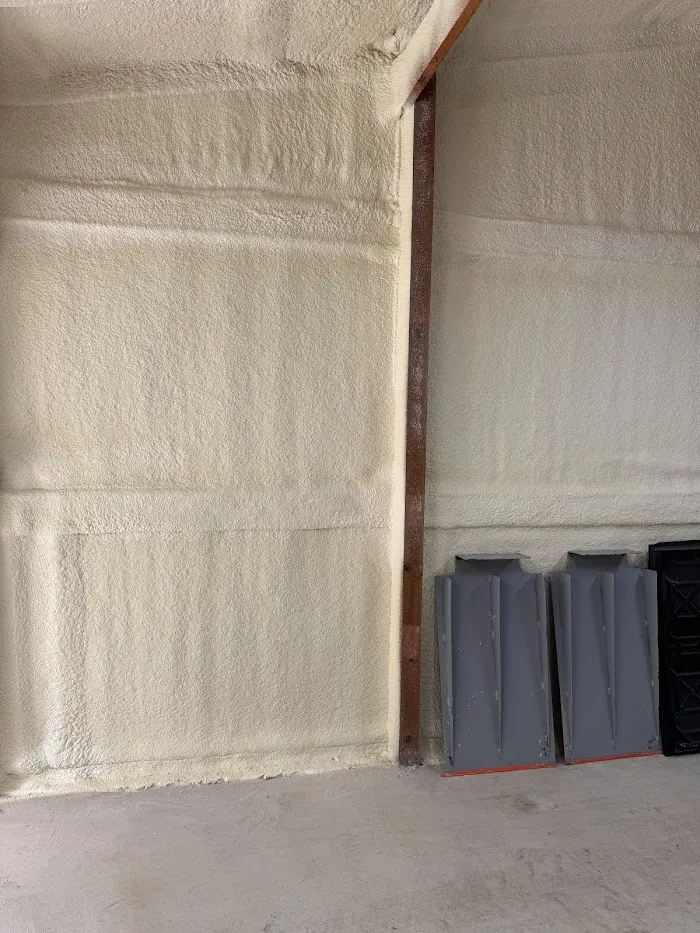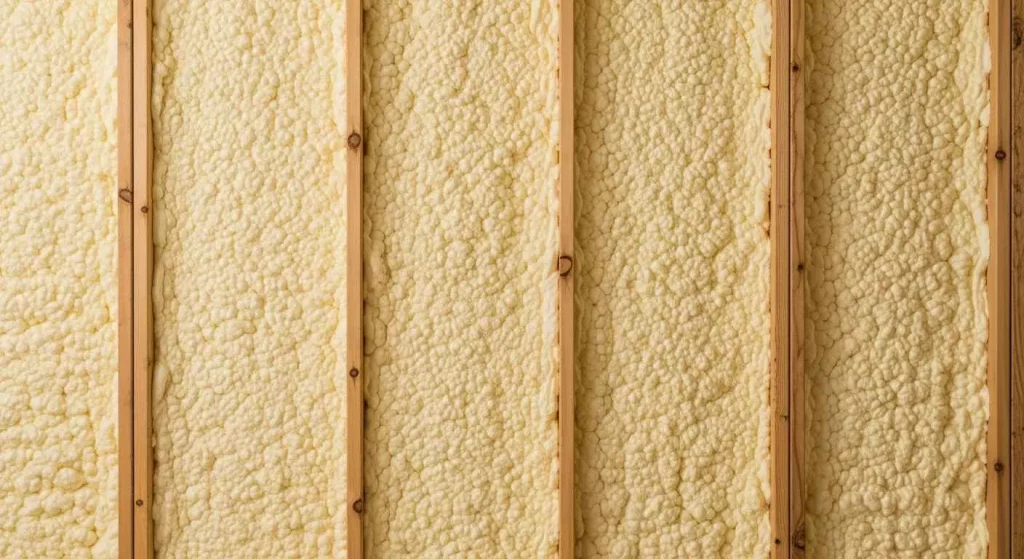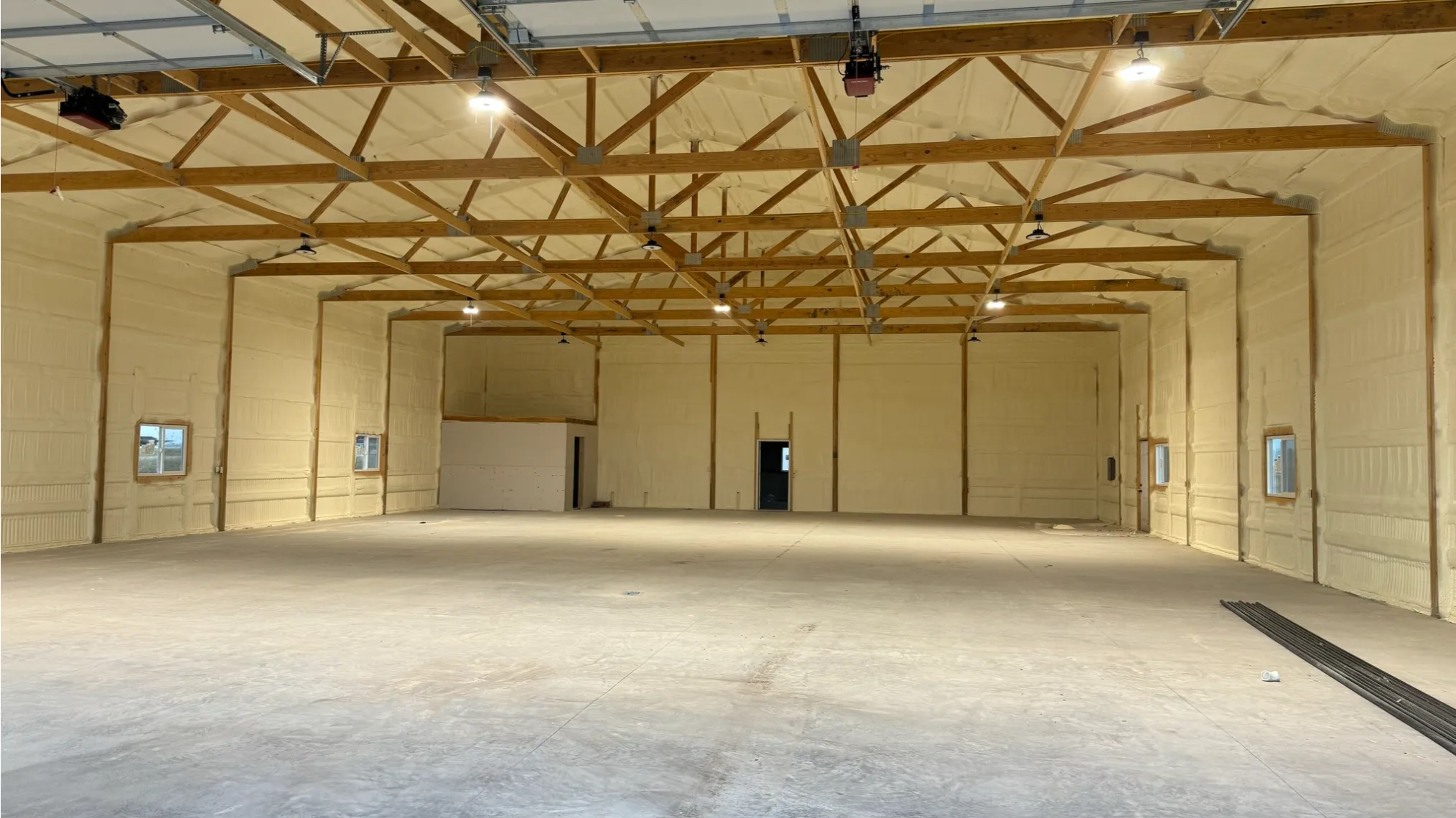
What is the Real Cost of Closed-Cell Spray Foam Insulation in Kalispell Homes
Closed-cell spray foam insulation in Kalispell homes costs between $1.00 and $1.25 per square foot per inch of thickness installed,…



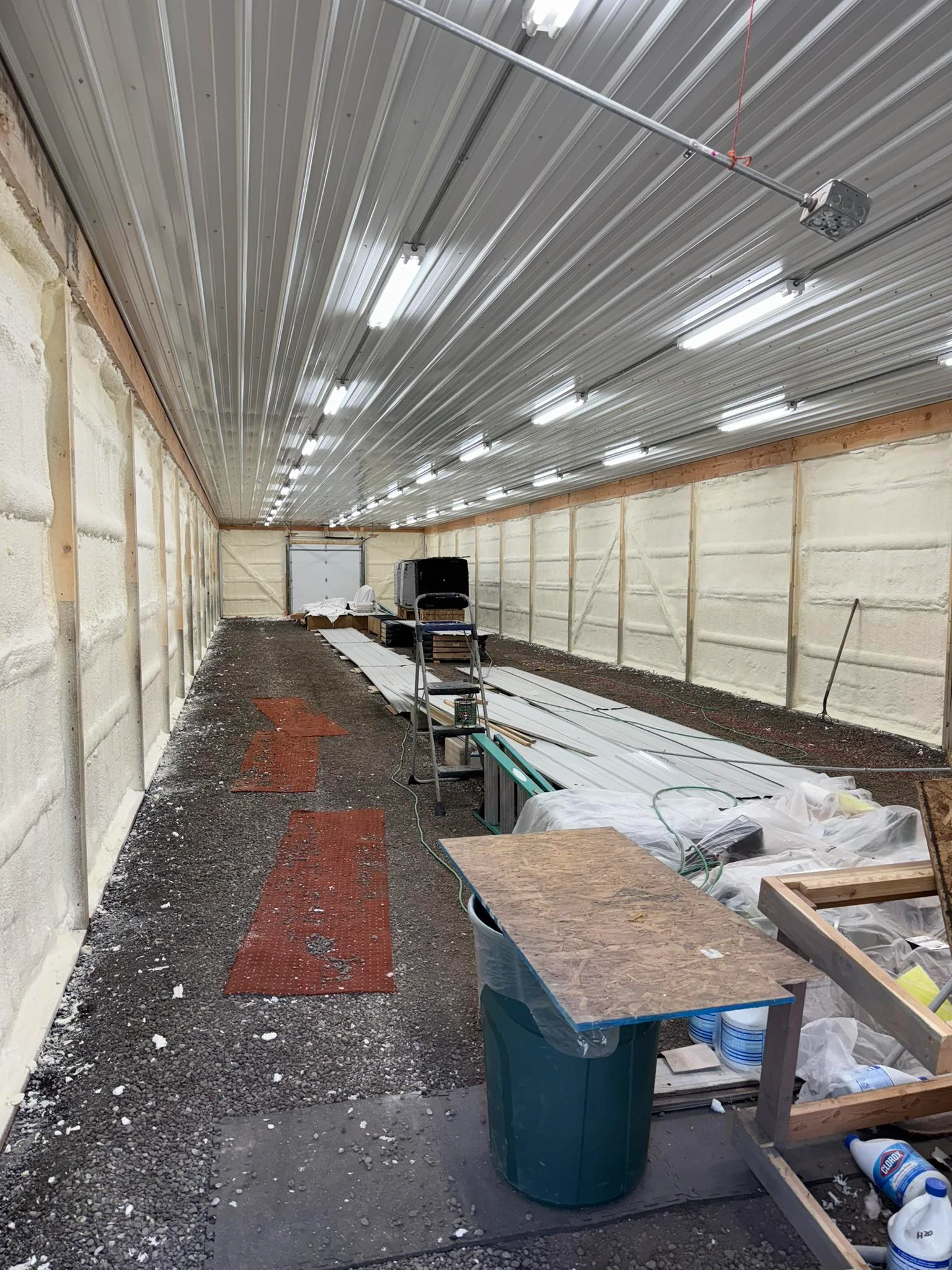
Closed-cell spray foam insulation alone cannot completely keep a basement dry year-round in Missoula, Montana. While it provides excellent moisture-barrier and air-sealing properties, it must be part of a comprehensive waterproofing strategy that addresses groundwater intrusion, drainage, and humidity control. The extreme temperature fluctuations and seasonal moisture patterns in Western Montana create specific challenges that require more than just insulation to manage effectively.
This article examines the real capabilities of closed-cell spray foam in Missoula‘s unique climate, what it can and cannot do for basement moisture control, and how to create a complete system that actually works. Drawing from years of experience with local basements through all four seasons, this information addresses the gap between marketing claims and practical performance in Missoula’s challenging environment.
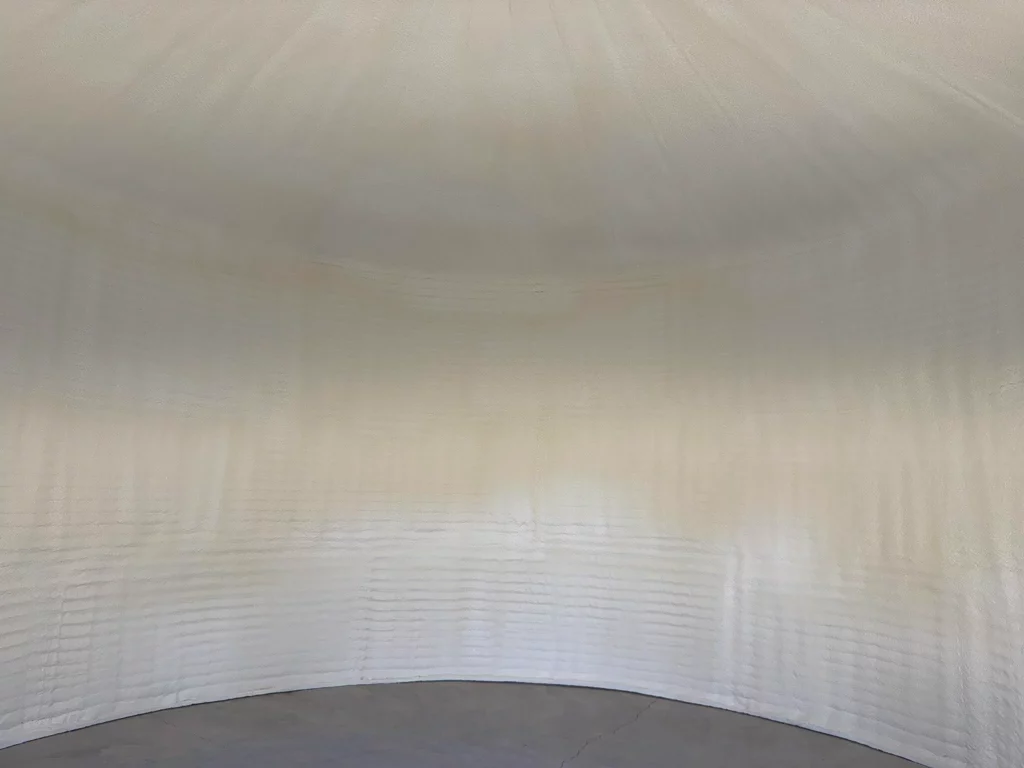
Closed-cell spray foam insulation creates a solid, continuous barrier with a closed-cell structure that resists water penetration. Unlike fiberglass or cellulose, it doesn’t absorb moisture or support mold growth when properly installed. The material expands to fill gaps and cracks, creating an air seal that prevents moist air from entering through the foundation walls. In Missoula, where summer humidity can reach 70% and winter air becomes extremely dry, this air sealing capability significantly reduces condensation issues.
However, closed-cell foam has limitations. It cannot stop water pressure from pushing through foundation walls or stop rising water from the ground below. When groundwater levels rise during spring snowmelt or heavy rainstorms, the foam’s waterproof properties only protect against moisture vapor and surface dampness, not hydrostatic pressure. Many Missoula homeowners discover this limitation the hard way after relying solely on spray foam without proper drainage systems.
Missoula’s climate presents specific challenges for basement moisture control. The area receives an average of 15 inches of precipitation annually, with most occurring during spring and late fall. The mountainous terrain creates unique drainage patterns, and the clay soils common in the region expand when wet, potentially increasing foundation pressure. Winter temperatures frequently drop below zero, while summer days can exceed 90 degrees, creating dramatic freeze-thaw cycles that stress foundation materials.
According to data from the Western Regional Climate Center, Missoula experiences significant seasonal humidity variations. Winter relative humidity often falls below 30%, while summer months regularly see readings above 70%. These fluctuations mean basements face different moisture challenges throughout the year – dry air infiltration in winter and humidity control in summer. A study published by the Building Science Corporation found that closed-cell spray foam performs well in these variable conditions but cannot replace proper drainage and humidity control systems.
| Insulation Type | Moisture Resistance | R-Value per Inch | Air Sealing | Best Application |
|---|---|---|---|---|
| Closed-Cell Foam | Excellent | R-7 | Complete | Finished basements with moisture concerns |
| Open-Cell Foam | Poor | R-3.8 | Complete | Interior walls (not foundations) |
| Fiberglass | None | R-3.2 | None | Dry basements with an existing vapor barrier |
| Rigid Foam Board | Good | R-5 | Partial | Exterior foundation application |
| Mineral Wool | Good | R-3.3 | None | Fire-resistant applications |
Bonus Tip: In Missoula, combining closed-cell spray foam on the upper portion of foundation walls with rigid foam board below grade can optimize cost while maintaining performance where water pressure is greatest.
Before installing closed-cell spray foam in your Missoula basement, several critical factors need evaluation. First, assess your existing water issues. If you see standing water after heavy rain, have visible efflorescence, or notice water stains on walls, you must address these problems with proper drainage before considering any insulation solution. A functioning foundation drain system, proper grading, and well-maintained gutters are prerequisites, not optional extras.
Second, consider your budget priorities. Closed-cell spray foam costs 3-5 times more than traditional insulation but provides benefits beyond just thermal performance. The air sealing properties reduce energy costs and comfort issues throughout the home. However, if your primary concern is bulk water intrusion, diverting those funds to exterior waterproofing and drainage improvements might provide better results.
Third, think about your long-term plans. If you’re finishing the basement as a living space, the combined insulation and air sealing benefits of closed-cell foam become more valuable. For storage-only areas, the investment may be harder to justify. Energy Star reports that proper air sealing combined with insulation can reduce heating and cooling costs by an average of 15% in similar climates.
Closed-cell spray foam insulation provides valuable moisture resistance and air sealing benefits but cannot single-handedly keep a basement dry year-round. Success requires addressing exterior drainage, foundation condition, and humidity control as part of a comprehensive approach. Missoula’s variable climate and seasonal moisture patterns make integrated systems essential rather than relying on any single solution.
For homeowners with dry basements looking to finish their living space, closed-cell spray foam offers the most complete solution among insulation options. For those with existing moisture problems, investing first in proper drainage and waterproofing will provide better results before adding insulation. Evaluate your specific situation, budget priorities, and long-term goals to determine the right approach for your Missoula basement.
Wegner Insulation offers comprehensive basement evaluations for Missoula homeowners considering insulation options. Contact Anthony at [email protected] or call (406) 654-4636 to schedule a consultation. A professional assessment can identify specific moisture challenges and recommend the most effective combination of solutions for your particular situation and budget.
For optimal moisture control and insulation value, 2 inches of closed-cell spray foam typically provides sufficient performance for Missoula basements. This thickness yields approximately R-14 insulation value while maintaining excellent moisture barrier properties.
No. Spray foam insulation cannot fix active water leaks, rising damp, or hydrostatic pressure issues. It must be installed on dry, stable surfaces after addressing underlying drainage and waterproofing problems.
For homeowners finishing their basements as living space, the combined benefits of air sealing, insulation, and moisture resistance often justify the higher cost. For unfinished storage areas, traditional insulation with proper vapor barriers might be more economical.
When properly installed, closed-cell spray foam can last the lifetime of the home without significant degradation in performance or R-value. The material is inert and doesn’t settle, compress, or absorb moisture over time.
Closed-cell spray foam at 2 inches thickness or greater serves as its own vapor barrier with a perm rating below 1.0. No additional vapor barrier is needed when applied at this thickness.