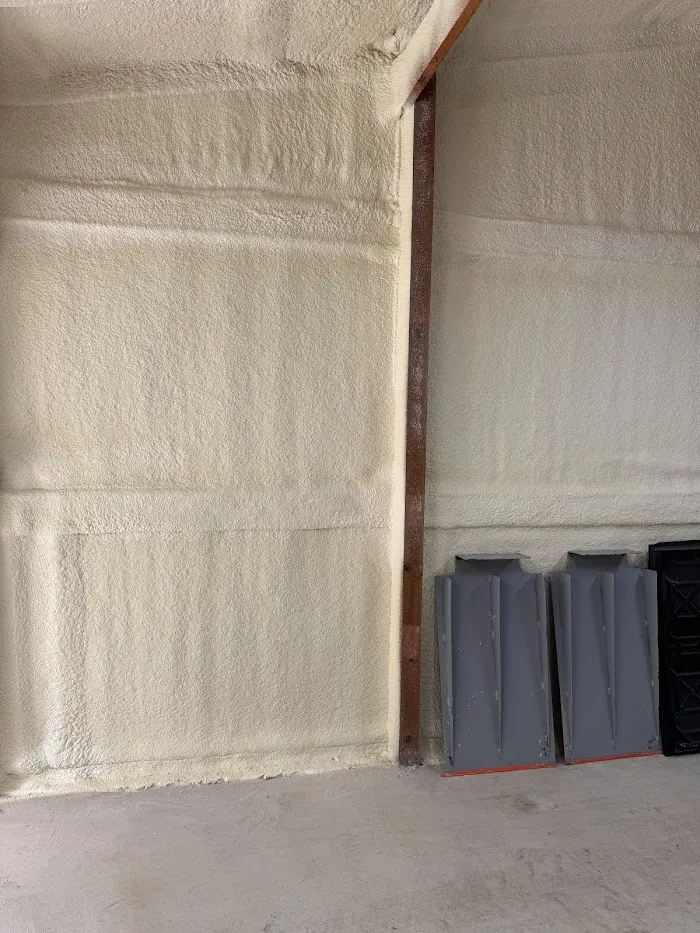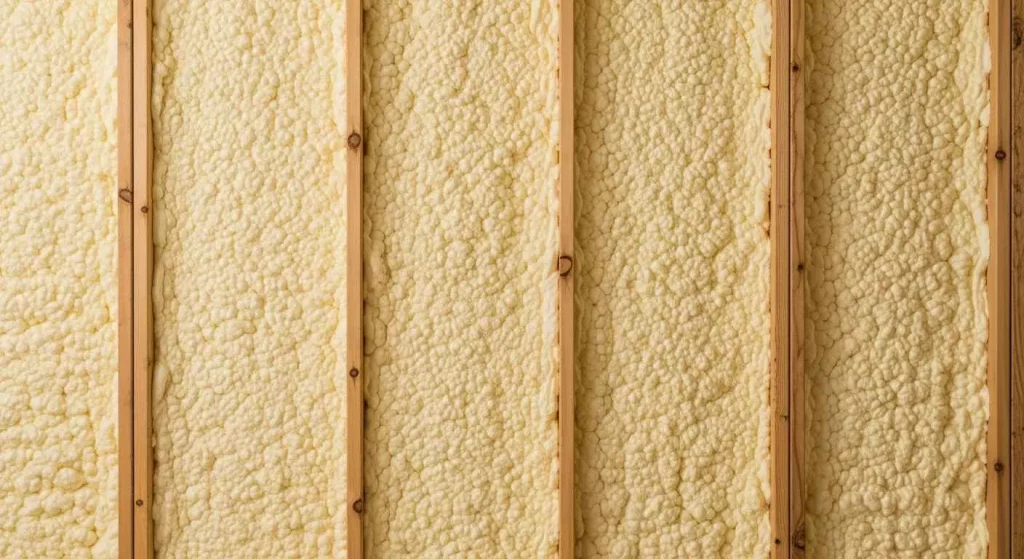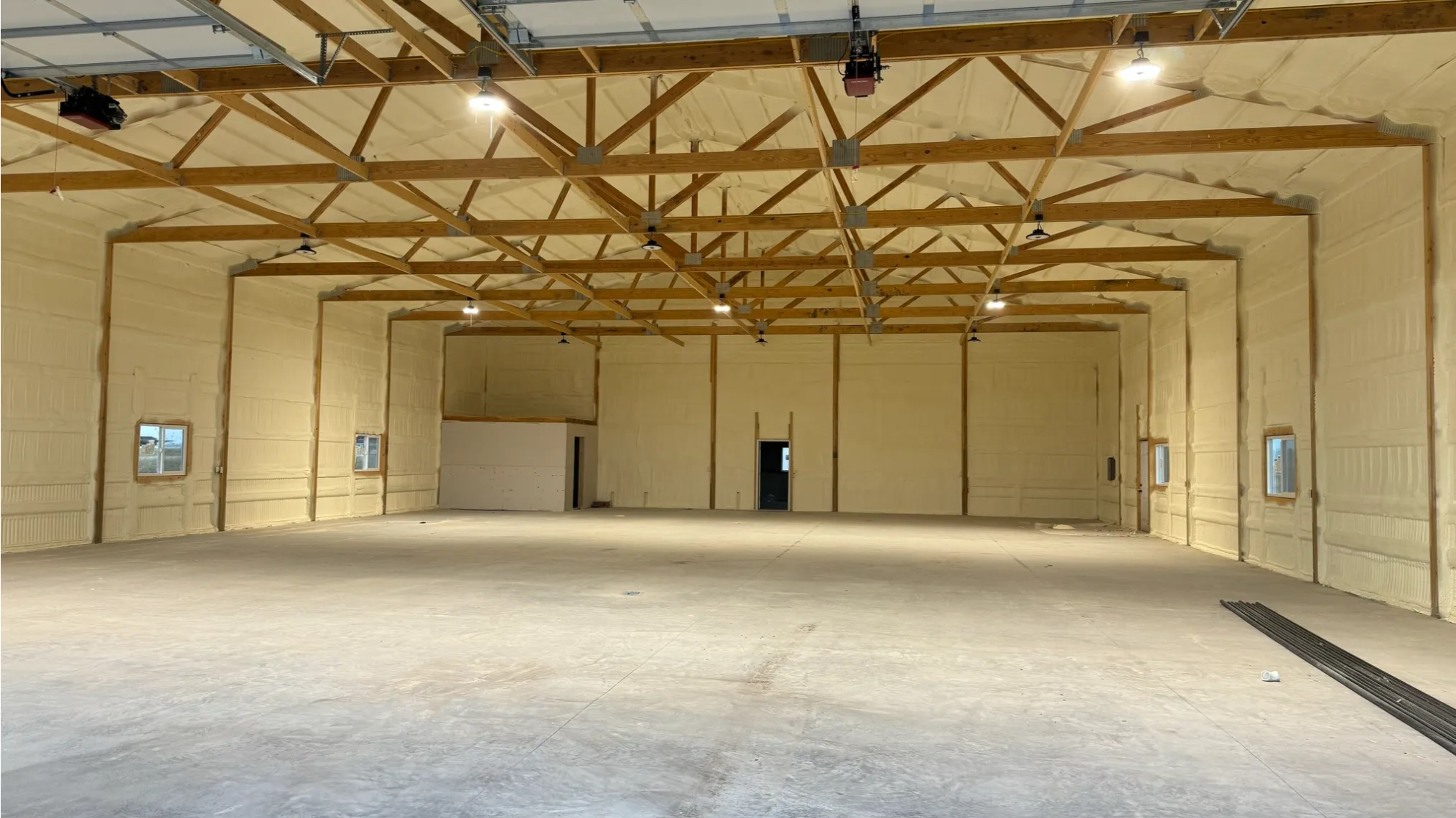
What is the Real Cost of Closed-Cell Spray Foam Insulation in Kalispell Homes
Closed-cell spray foam insulation in Kalispell homes costs between $1.00 and $1.25 per square foot per inch of thickness installed,…


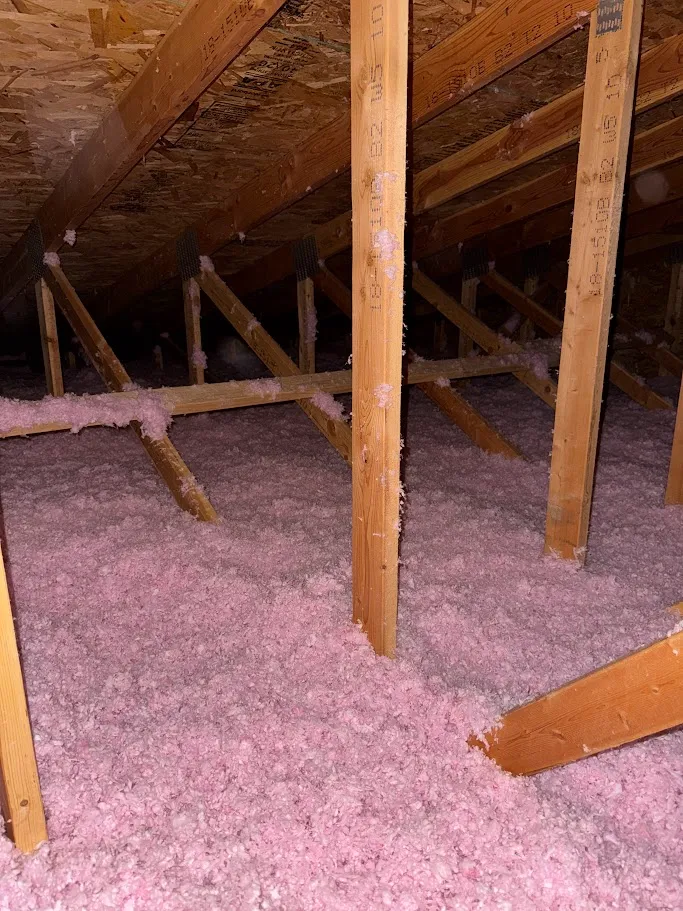
Upgrading insulation in Whitefish homes acts as one of the most effective strategies for reducing regional carbon footprints and preserving local ecosystems. High-performance insulation directly minimizes the demand on heating and cooling systems, thereby cutting the amount of fossil fuels burned to generate electricity or heat homes. In a climate like Northwest Montana’s, where winters are long and temperatures drop significantly, this reduction in energy consumption prevents tons of greenhouse gases from entering the atmosphere each year. It stabilizes indoor temperatures, reducing the strain on the local power grid and diminishing the need for carbon-intensive “peak load” energy production during extreme weather events.
Beyond simple energy reduction, proper insulation contributes to cleaner local air quality by limiting the reliance on wood-burning stoves and inefficient furnaces. Many homes in the Flathead Valley utilize supplemental wood heating, which contributes to particulate matter buildup during winter temperature inversions. By retaining heat more efficiently, well-insulated structures require less active heating, resulting in reduced smoke emissions and cleaner air for the community. Experience in the field shows that a thermal envelope upgrade is not merely a financial decision but also a substantial contribution to the region’s long-term environmental health.
The primary environmental benefit of insulation lies in its ability to sever the link between extreme weather and excessive energy usage. In Whitefish, the heating season often extends from September through May. Homes with inadequate attic or wall insulation act like chimneys, siphoning heat out and forcing furnaces to run continuously.
According to the U.S. Energy Information Administration, Montana’s energy profile still includes a significant portion of coal-fired power generation, alongside hydroelectric sources. When a home wastes energy due to poor thermal resistance, it directly increases the demand on these power plants. Reducing this load cuts the amount of coal burned and the subsequent carbon dioxide released into the atmosphere.
Bonus Tip: Focus on the attic first. Heat rises, and an under-insulated attic accounts for the largest share of energy loss in most Montana homes.
A less obvious but critical environmental benefit involves the longevity of HVAC equipment. Furnaces, boilers, and air conditioning units operate under stress. When a home loses heat rapidly, this equipment cycles on and off more frequently, leading to premature wear and tear.
Manufacturing a single furnace requires significant raw materials, water, and energy. When these units fail early due to overuse, they end up in landfills, and the manufacturing cycle repeats. By installing proper insulation, homeowners reduce the workload on their HVAC systems. This extends the equipment’s operational life, postponing replacement and reducing the aggregate waste associated with manufacturing and disposal.
Data from Energy Star suggests that sealing air leaks and adding insulation can improve comfort and durability, effectively reducing the frequency of equipment turnover.
Different insulation materials offer varying environmental advantages, from recycled content to longevity. The following table outlines how common materials stack up in terms of sustainability factors.
| Material Type | Recycled Content | R-Value Per Inch | Environmental Advantage |
|---|---|---|---|
| Cellulose | High (up to 85%) | 3.2 – 3.8 | Made primarily from recycled newsprint; low embodied energy in manufacturing. |
| Fiberglass | Moderate (20-30%) | 2.2 – 2.7 | Widely available; improvements in manufacturing have reduced binders and formaldehyde. |
| Spray Foam (Closed Cell) | Low | 6.0 – 7.0 | Highest air sealing capability; prevents moisture damage and mold, saving building materials from rot. |
| Mineral Wool | Moderate | 3.0 – 3.3 | Highly fire-resistant; often made from slag (industrial waste) and natural rock. |
Whitefish and the surrounding valley are prone to temperature inversions during the winter. This meteorological phenomenon traps cold air and pollutants close to the ground. When homes lack proper insulation, residents often turn to wood stoves or fireplaces to compensate for the chill.
While wood heat is renewable, inefficient burning releases PM2.5 (fine particulate matter) into the stagnant valley air. A report by the Environmental Protection Agency indicates that improving home energy efficiency directly reduces the need for supplemental wood heating. A tighter thermal envelope keeps the home warm with the primary heating system, reducing the neighborhood’s collective smoke output and protecting local respiratory health.
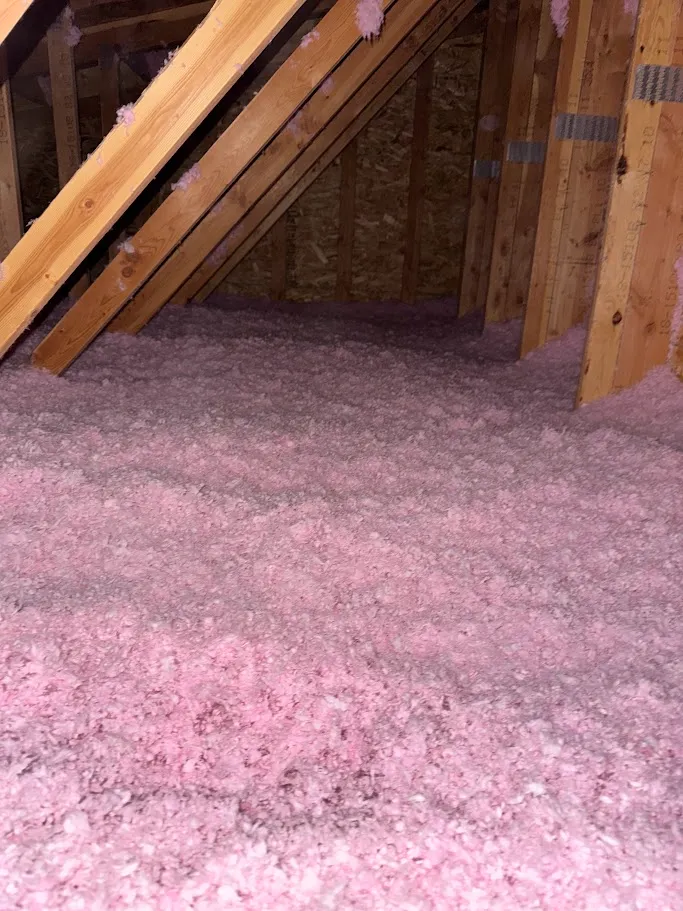
Before scheduling an installation, evaluate specific factors that influence the environmental return on investment.
Climate Zone Requirements Whitefish is located in Climate Zone 6. The recommended R-values here are higher than the national average. Installing insulation that meets only minimum code requirements may not provide the maximum environmental benefit. Aim for R-49 or R-60 in attics to maximize energy retention.
Air Sealing vs. Insulation Adding insulation without sealing air leaks is like wearing a down jacket with the zipper open. Air leakage undermines the insulation’s performance. Ensure gaps around plumbing vents, light fixtures, and chimneys are sealed to prevent conditioned air from bypassing the insulation.
Moisture Management Wet insulation loses its ability to resist heat flow and can become a health hazard due to mold growth. In cold climates, proper attic ventilation is necessary to prevent condensation from forming on the underside of the roof deck.
Bonus Tip: Check the rim joists in the basement. This area is often overlooked but is a significant source of cold air infiltration that cools the entire structure.
Better insulation in Whitefish offers clear, quantifiable environmental advantages. It drastically reduces the fossil fuel consumption required for heating, lowers the demand on the regional energy grid, and contributes to cleaner air by minimizing wood smoke and manufacturing waste. Homeowners in the Flathead Valley can make a tangible difference in local sustainability efforts by improving the thermal performance of their properties.
Review the current state of the attic and walls. If the snow on the roof melts faster than the neighbors’, or if rooms feel drafty, the home is likely leaking energy. Addressing these issues reduces waste and supports a healthier environment for the entire community.
Wegner Insulation provides expert assessments to help you maximize energy savings and environmental impact. We understand the unique challenges of Montana’s climate and offer solutions tailored to your home’s needs.
Contact Us Today:
Secure your home against the cold and help make Whitefish greener with professional insulation services.
The exact amount varies by home size and heating fuel, but a typical home can reduce its heating and cooling emissions by 20% to 30% after a comprehensive insulation upgrade. This equates to thousands of pounds of carbon dioxide prevented from entering the atmosphere over the home’s lifespan.
Some older insulation materials, particularly vermiculite installed before 1990, may contain asbestos. Additionally, old fiberglass can break down into particulates. Professional removal ensures these materials are included and disposed of safely, preventing contamination of the local environment.
Yes. While primarily an energy measure, insulation absorbs sound waves. This creates a quieter indoor environment and reduces noise pollution escaping from the home, contributing to a more peaceful community atmosphere.
The production of spray foam does involve chemicals, but its operational carbon footprint is often lower than that of other materials over time due to its superior air-sealing properties. The energy saved over 30 years frequently outweighs the product’s initial embodied carbon.
Yes. Ice dams form when heat from the attic melts snow on the roof. By keeping the attic cold through proper floor insulation, snow remains frozen, preventing the melt-refreeze cycle that damages roofs and gutters.