What is the Real Cost of Closed-Cell Spray Foam Insulation in Kalispell Homes
Closed-cell spray foam insulation in Kalispell homes costs between $1.00 and $1.25 per square foot per inch of thickness installed,…



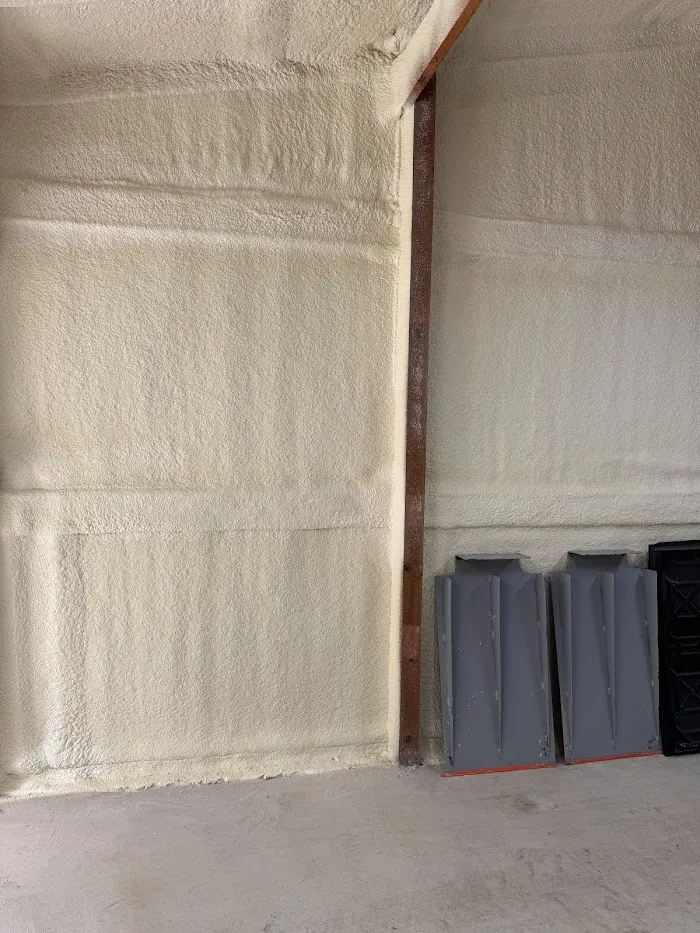
Most homes still have air leaks because traditional insulation materials like fiberglass batts and cellulose do not create an air barrier. They only slow heat transfer through conduction, while air moves freely through gaps, cracks, and voids around outlets, windows, doors, and wall penetrations. Closed-cell spray foam fixes this problem by expanding to fill every cavity, creating both a thermal barrier with R-6 to R-7 per inch and a continuous air barrier that stops infiltration at the source. According to the U.S. Department of Energy, air leakage accounts for 25% to 40% of the energy used for heating and cooling in typical homes, making it one of the most significant sources of energy waste and comfort problems.
Most homeowners assume that adding insulation means sealing their home against drafts and energy loss. This assumption is wrong, and it explains why so many homes with new insulation still feel drafty and uncomfortable. Traditional insulation materials work through a different mechanism than most people realize, which is why high-density spray foam is often used when both air sealing and thermal performance are required.
Fiberglass batts and blown cellulose slow heat transfer through conduction. They trap tiny pockets of air within the insulation material, which resist the flow of heat from warm areas to cold areas. This works well for conduction, but it does nothing to stop air from moving through the wall assembly. According to Building Science Corporation, air leakage carries moisture and energy through building assemblies in ways that insulation alone cannot address.
Think of fiberglass insulation like a wool sweater. It keeps you warm when the air is still, but the wind blows right through it. Your home faces the same issue. Air moves freely through fiberglass batts, carrying heat away from your living space in winter and bringing heat inside during summer. The insulation does nothing to block this airflow.
Cellulose insulation performs slightly better because it fills cavities more completely than fiberglass batts. However, it still allows air movement through the material and settles over time, leaving gaps at the top of wall cavities. Neither material creates the continuous seal needed to stop air infiltration at its source.
Air leaks concentrate at predictable locations throughout every home. The Department of Energy identifies these as the most common sources of air infiltration:
Many of these leaks remain invisible to homeowners. You cannot see air moving through an electrical box or around a plumbing penetration inside a wall cavity. However, a blower door test reveals these hidden leaks by depressurizing the home and measuring total air infiltration. Building scientists use this diagnostic tool to quantify leakage rates and identify the worst offenders.
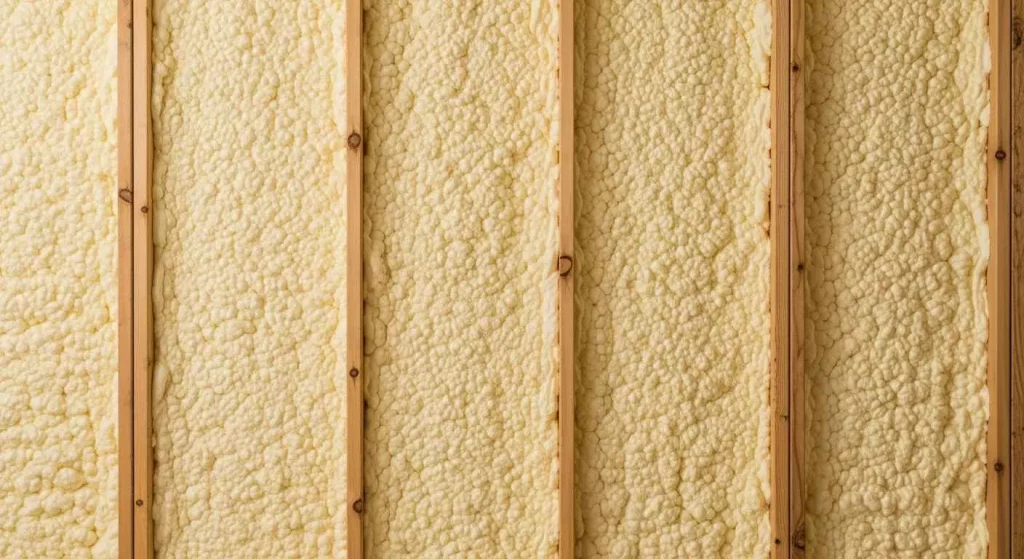
Closed-cell spray foam insulation works differently from traditional materials. It starts as a liquid mixture that expands rapidly upon application, filling every crack, gap, and void in the cavity. This expansion creates a continuous air barrier that blocks infiltration at every point of potential leakage.
According to the Spray Foam Coalition, closed-cell spray foam provides both thermal insulation and air sealing in a single application. The material expands to roughly 30 times its liquid volume, forcing its way into spaces that would remain empty with traditional insulation. This expansion happens before the foam cures and hardens, ensuring complete cavity fill even in irregular framing.
Closed-cell spray foam delivers two critical functions simultaneously. First, its high R-value of R-6 to R-7 per inch provides excellent thermal resistance. Second, its closed-cell structure creates an impermeable air barrier that stops infiltration completely. This dual function means one material does the job that would otherwise require both insulation and separate air sealing measures.
The foam cells are literally closed, meaning each tiny bubble of gas remains trapped within the solidified polymer matrix. This structure prevents both air and moisture movement through the material. Open-cell spray foam, by contrast, has interconnected cells that allow some vapor transmission and provide less resistance to air movement.
Closed-cell spray foam adds rigidity to wall assemblies. The hardened foam bonds to framing members, increasing racking strength by up to 300% in some assemblies. This additional strength helps walls resist wind loads and seismic forces, providing benefits beyond energy efficiency.
The material also acts as a vapor barrier in most climate zones when applied at sufficient thickness. This moisture control capability helps prevent condensation within wall assemblies, reducing the risk of mold growth and structural damage over time.
| Insulation Type | R-Value per Inch | Air Barrier | Moisture Barrier | Structural Strength | Best Application |
|---|---|---|---|---|---|
| Closed-Cell Spray Foam | R-6 to R-7 | Yes | Yes | Adds 200-300% strength | Walls, ceilings, crawl spaces, rim joists |
| Open-Cell Spray Foam | R-3.6 to R-3.8 | Partial | No | Minimal | Attics, walls with vapor permeance needs |
| Fiberglass Batts | R-2.9 to R-3.8 | No | No | None | Standard framed cavities with air sealing |
| Blown Cellulose | R-3.2 to R-3.8 | Minimal | No | None | Enclosed cavities, retrofit applications |
| Mineral Wool Batts | R-3.0 to R-3.3 | No | No | Minimal | Fire-resistant applications |
Bar Chart Suggestion: Compare total R-value achieved in a standard 2×4 wall cavity (3.5 inches) across insulation types, showing closed-cell foam at R-21 to R-24.5 versus fiberglass at R-11 to R-13.3.
| Scenario | Home Type | Problem | Solution | Outcome |
|---|---|---|---|---|
| Drafty Living Room | 1980s Colonial | Cold floors and drafts near bay window despite new fiberglass insulation | Closed-cell foam in rim joists and around window framing | Drafts eliminated, floor temperature increased 8°F |
| Frozen Pipes in Crawl Space | 1960s Ranch | Plumbing freeze-ups every winter, high heating bills | 2 inches closed-cell foam on crawl space walls and rim band | Pipes protected, heating costs dropped 35% |
| Uncomfortable Second Floor | 1990s Two-Story | Hot upstairs in summer, cold in winter, AC running constantly | Closed-cell foam in attic roof deck and kneewall junctions | Even temperatures between floors, AC runtime reduced 40% |
| High Energy Bills in New Home | 2010s Builder Grade | Energy bills 50% higher than expected for square footage | Blower door identified leaks at rim joists, outlets, and attic penetrations | Post-foam testing showed 60% reduction in air leakage |
| Moisture in Basement | 1970s Split Level | Musty smell, condensation on rim joist, allergy symptoms | Closed-cell foam on rim joist and sill plate | Moisture eliminated, air quality complaints stopped |
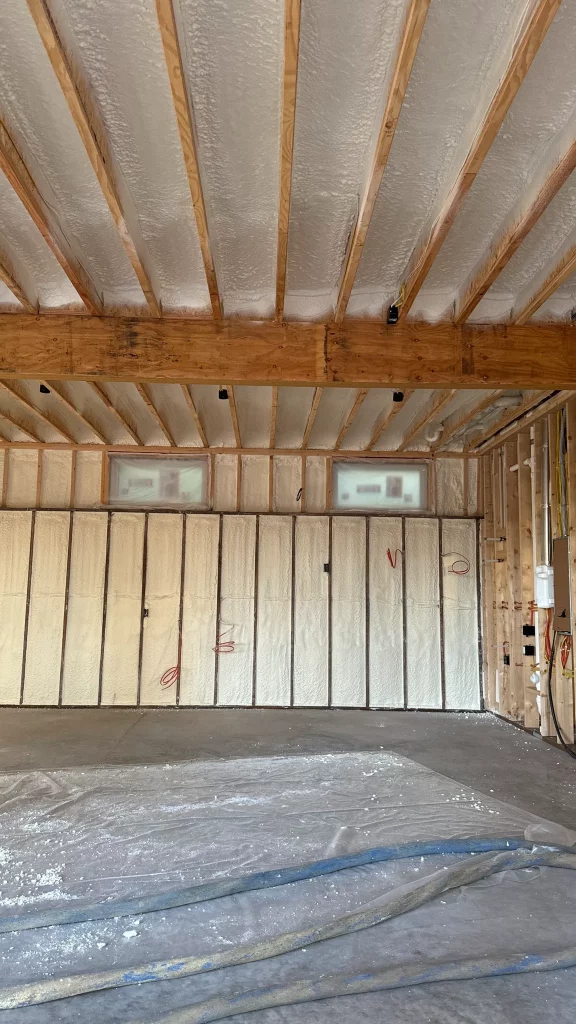
The Energy Trust of Oregon notes that random and unintentional air leaks allow outside air to bring unwanted contaminants into homes while increasing heating and cooling loads. These hidden leaks often go unnoticed because they occur in places homeowners rarely inspect.
Rim joists rank among the worst air leak locations in most homes. This junction, where the floor system meets the foundation, creates a natural gap between framing members. Builders rarely seal this area properly, leaving gaps that allow outside air to flow freely into the basement or crawl space. Cold air entering at the rim joist cools the floor above, making first floors uncomfortable and forcing heating systems to work harder.
Closed-cell spray foam excels at sealing rim joists. The material expands to fill every gap and adheres to both wood and concrete surfaces. A 2-inch application provides R-12 to R-14 of insulation while completely blocking air infiltration at this critical junction.
Every wire and pipe that passes through an exterior wall or ceiling creates a potential air leak. Electricians and plumbers drill holes larger than necessary for wires and pipes, leaving gaps that allow air movement. These penetrations hide behind drywall and remain invisible until a blower door test or infrared camera reveals them.
Closed-cell foam seals these penetrations during construction or retrofit applications. The material flows around wires and pipes before expanding, creating an airtight seal that traditional insulation cannot match.
Attics represent another major source of air leakage. Heat rises, creating pressure that forces warm air through any available gap into the attic space. The Department of Energy identifies attic air sealing as one of the most cost-effective energy improvements homeowners can make.
Common attic leak locations include dropped soffits above cabinets, kneewall junctions, recessed lighting fixtures, plumbing vent pipes, and attic access hatches. Sealing these leaks with closed-cell foam prevents warm air from escaping in winter and keeps hot attic air from entering living spaces in summer.
Start with a blower door test to quantify your home’s air leakage rate. This test measures air changes per hour at 50 Pascals pressure (ACH50), giving you a baseline for improvement. A typical existing home might measure 10 to 20 ACH50, while new construction in many jurisdictions must meet 3 to 5 ACH50. The test also helps identify specific leak locations when combined with infrared imaging.
Focus first on areas with the greatest leakage potential. Rim joists, attic penetrations, and major plumbing and electrical penetrations typically offer the best return on investment. Sealing these areas first addresses the largest air leakage paths before moving to smaller leaks.
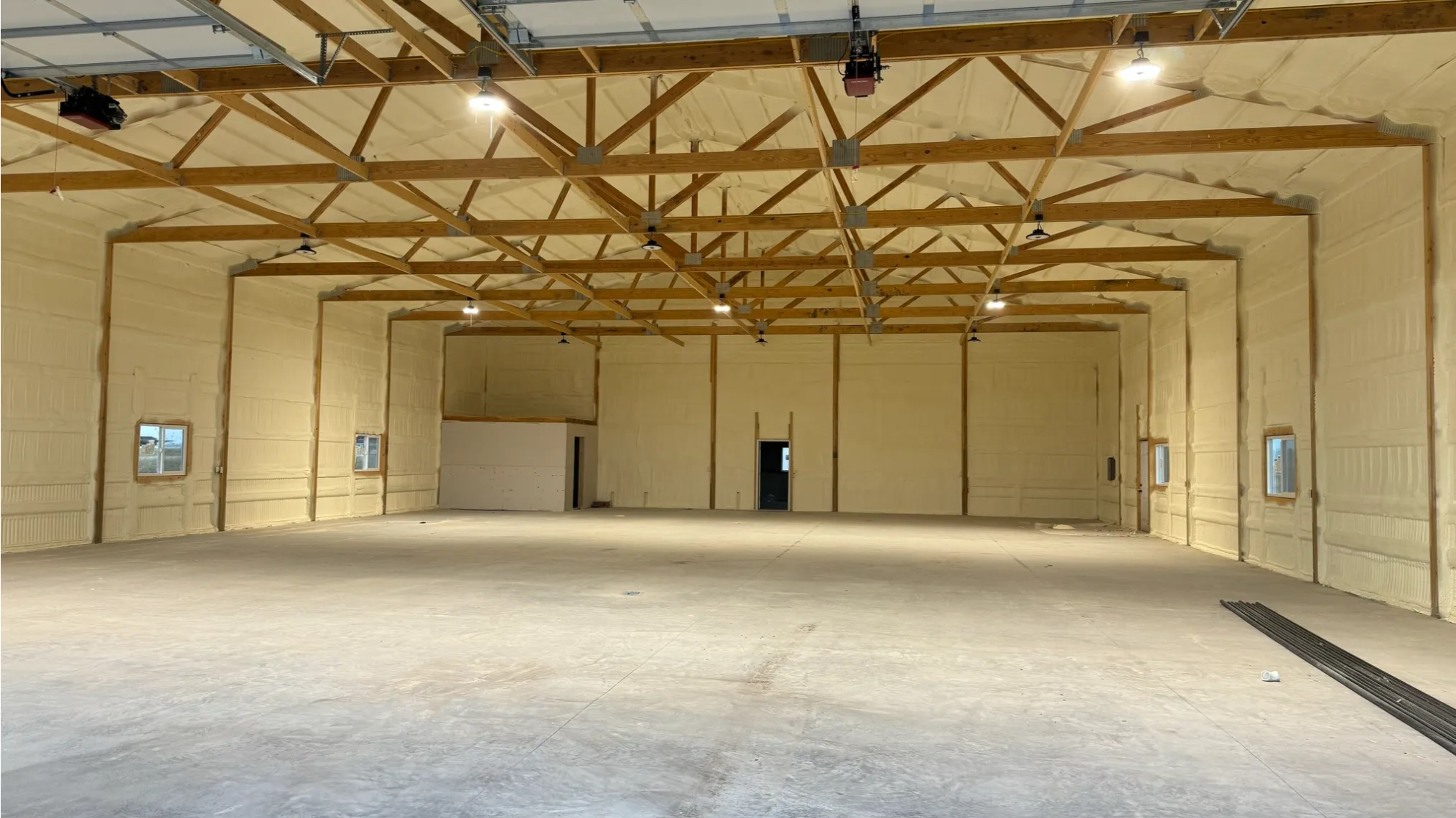
Closed-cell spray foam works best for rim joists, wall cavities, and areas requiring both insulation and air sealing. For large open areas like attic roof decks, closed-cell foam provides maximum performance in minimum thickness. Use spray foam for irregular spaces where cutting and fitting batt insulation would leave gaps.
Request a post-installation blower door test to confirm that air sealing achieved the expected results. This verification proves that the investment delivered the promised performance and identifies any areas requiring additional attention.
Tight homes require mechanical ventilation to maintain indoor air quality. As you seal air leaks, plan for controlled fresh air intake through bathroom exhaust fans, kitchen range hoods, or a whole-house ventilation system. The goal is controlled ventilation, not random air infiltration.
Professional installation determines whether closed-cell foam delivers its promised benefits. According to InSoFast, closed-cell foam provides thermal insulation and a continuous air barrier only when applied correctly. Improper mixing, incorrect temperature, or uneven application can create voids that compromise performance.
Minimum thickness requirements vary by manufacturer and application. Most closed-cell foams require at least 1 inch to achieve full air barrier properties, with 2 to 3 inches providing optimal R-value and moisture protection in most applications. Thinner applications may not cure properly or deliver rated performance.
Building codes specify minimum R-values for different climate zones. In colder regions, walls may require R-20 or higher, achievable with 3 to 4 inches of closed-cell foam or a combination of foam and other insulation types. Vapor barrier requirements also vary by climate, affecting whether closed-cell foam alone suffices or whether additional vapor control is needed.
Older homes with irregular framing, existing moisture problems, or structural issues require assessment before foam application. Addressing water infiltration, mold growth, or structural deficiencies before insulating prevents trapping moisture within wall assemblies.
Closed-cell foam requires a specific substrate and ambient temperatures for proper curing. Application outside manufacturer specifications can result in poor adhesion, off-ratio mixing, or incomplete expansion. Professional contractors monitor conditions and adjust equipment settings accordingly.
We understand that air leaks waste energy and compromise comfort even in well-insulated homes. Wegner Insulation specializes in diagnosing and sealing air leaks with closed-cell spray foam insulation that delivers both thermal performance and airtight construction. Our team conducts thorough assessments to identify leakage paths, applies closed-cell foam with precision, and verifies results to ensure your home performs as expected.
Whether you are building new, renovating, or upgrading an existing home, closed-cell spray foam from Wegner Insulation provides the air sealing and insulation performance you need for lasting comfort and energy savings. Contact Wegner Insulation at [email protected] or call (406) 654-4636 to schedule your consultation and discover how professional spray foam insulation can eliminate air leaks for good.
Common signs include drafts near windows and outlets, uneven temperatures between rooms, high energy bills compared to similar homes, and cold floors in winter. A professional blower door test provides the most accurate assessment, measuring your home’s air leakage rate and identifying specific problem areas.
Yes, closed-cell foam can be injected into existing wall cavities through small access holes. This retrofit application fills voids and seals air leaks without removing drywall. The process requires experienced contractors who understand injection techniques and can verify complete cavity fill.
When applied correctly at sufficient thickness, closed-cell foam acts as a vapor barrier that prevents moisture problems. However, proper assessment of existing conditions and climate zone requirements is essential. Foam applied over wet materials or in assemblies requiring vapor permeance can cause issues.
Closed-cell spray foam typically costs 2 to 3 times as much per square foot as fiberglass batts. However, the total project cost comparison is more favorable when you factor in the separate air sealing measures that fiberglass requires. Energy savings of 20% to 50% often deliver payback within 5 to 10 years.
Once cured, closed-cell spray foam is inert and does not off-gas harmful compounds. Professional installation ensures proper mixing and curing, preventing the odor and air quality issues that can occur with DIY applications. Most manufacturers recommend vacating the home during installation and for 24 hours after to allow curing and ventilation.