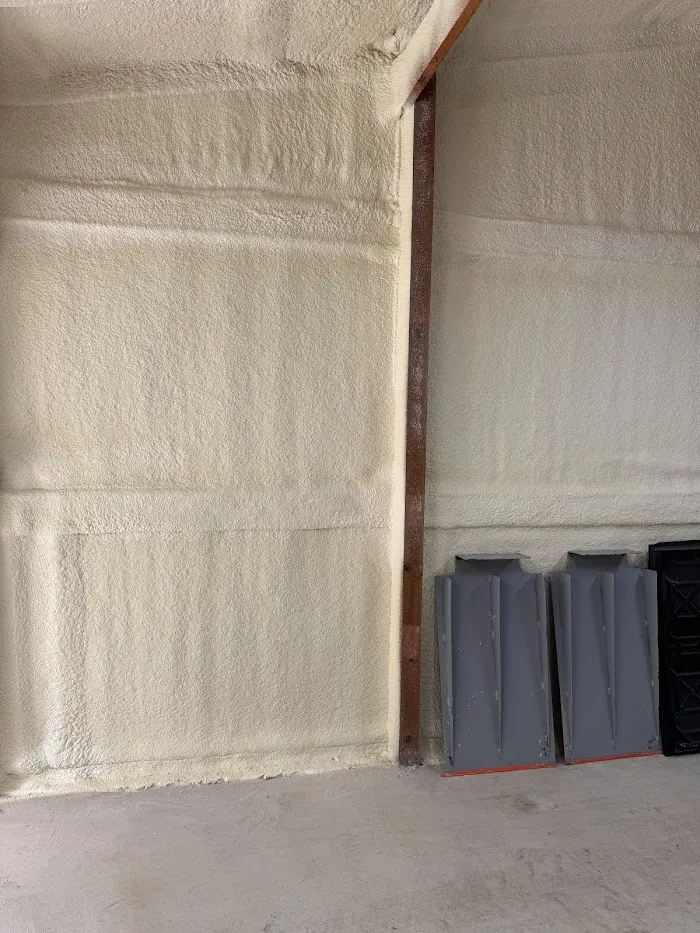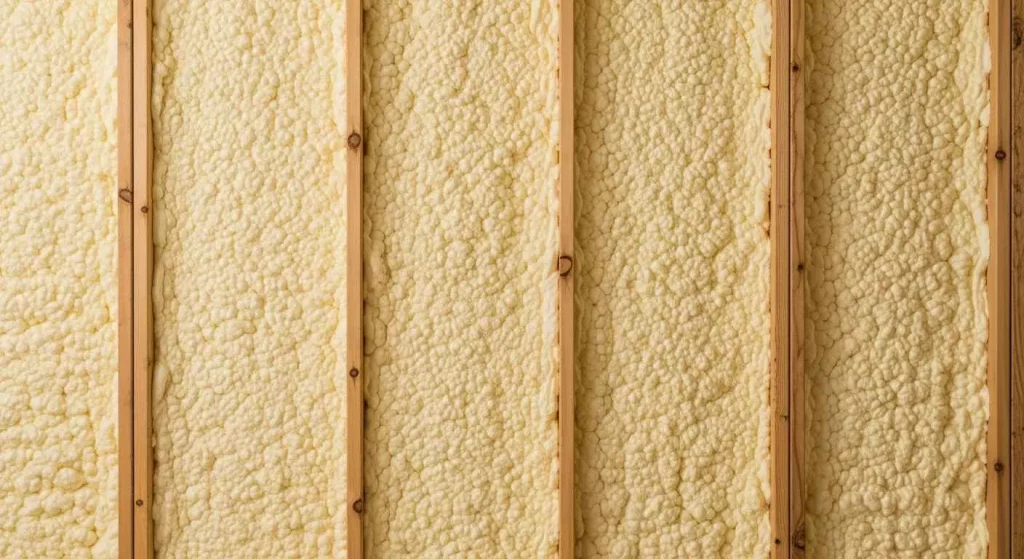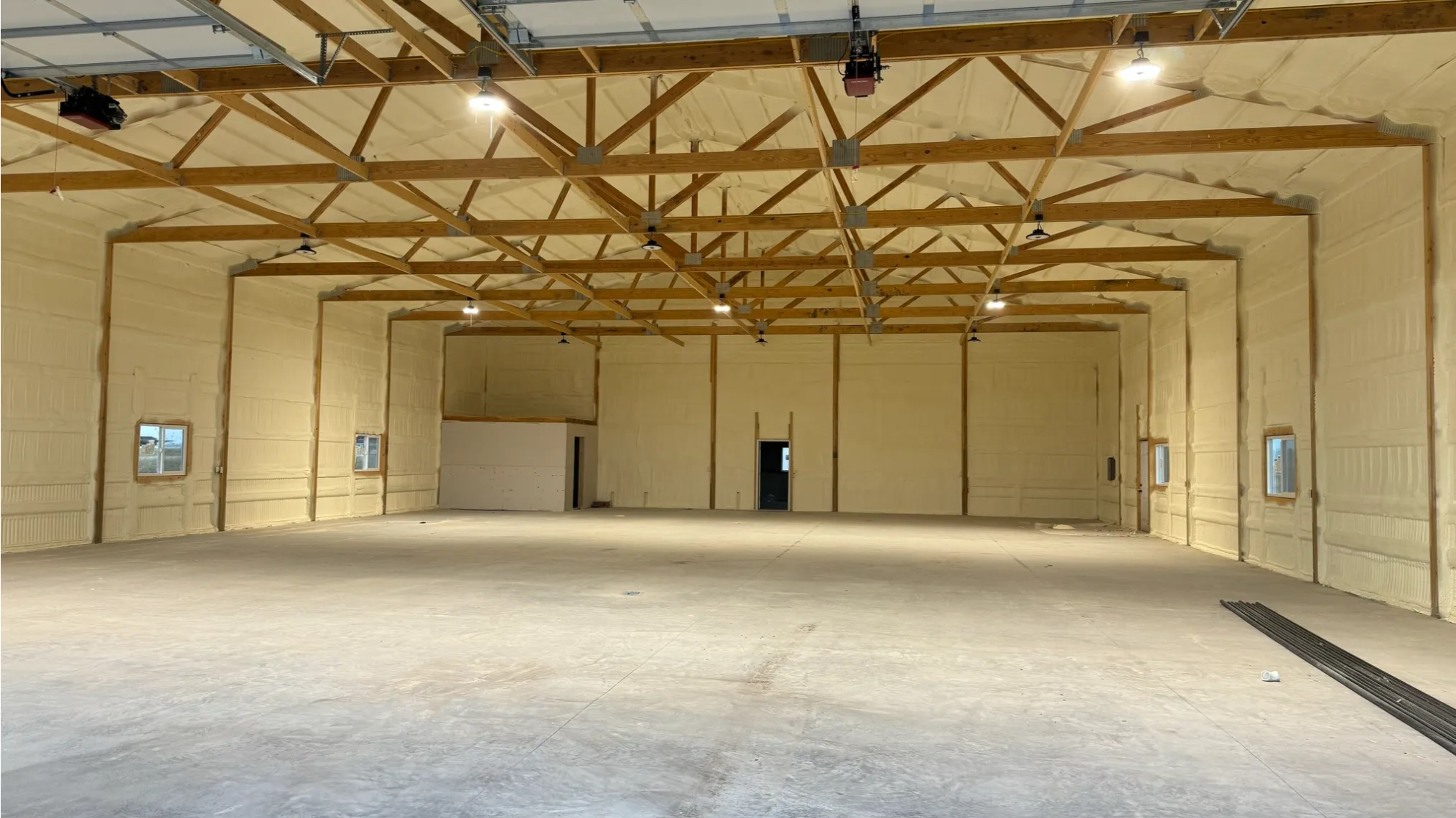
What is the Real Cost of Closed-Cell Spray Foam Insulation in Kalispell Homes
Closed-cell spray foam insulation in Kalispell homes costs between $1.00 and $1.25 per square foot per inch of thickness installed,…


High-performance insulation is often viewed as a significant expense. Yet, it remains one of the few home improvements that actually pays for itself through immediate monthly savings and long-term asset protection. For residents in Missoula, the combination of reduced energy consumption, substantial utility rebates, and federal tax credits significantly lowers the initial barrier to entry. When measured against the rising cost of heating a home during Montana winters, the return on investment for an insulation upgrade typically outpaces that of other renovation projects.
Wegner Insulation recognizes that understanding the financial mechanics of this upgrade is essential for homeowners. Beyond simple comfort, proper insulation acts as a financial shield against energy price volatility and structural damage caused by ice dams. This guide breaks down the economic reality of insulation projects in Missoula, demonstrating why the final cost is often far lower than the sticker price suggests.
The primary driver of insulation affordability is the immediate reduction in utility bills. In Climate Zone 6, which includes Missoula, homes experience significant temperature differentials between the interior and exterior. Heat naturally moves to colder areas. Without adequate resistance, heated air escapes through the attic and walls, forcing furnaces to run longer and harder.
According to data from the Environmental Protection Agency, homeowners can save an average of 15% on heating and cooling costs (or 11% on total energy costs) by air-sealing their homes and adding insulation in attics, floors over crawl spaces, and accessible basement rim joists. In a region where winter temperatures frequently drop below freezing, these percentages translate into substantial annual savings. This monthly recovery of funds shortens the “payback period”—the time it takes for the savings to equal the cost of installation.
The initial quote for an insulation project rarely reflects the final amount a homeowner pays. Various programs exist to reduce the financial burden, specifically for energy-efficient upgrades.
The Inflation Reduction Act has revitalized the Energy Efficient Home Improvement Credit (25C). Homeowners can now claim a credit equal to 30% of the cost of insulation materials, subject to an annual limit. Unlike a deduction, which lowers taxable income, a credit reduces the tax bill directly. Information published by the Internal Revenue Service confirms that this credit resets annually, allowing strategic planning of upgrades over time.
NorthWestern Energy offers specific incentives for Montana customers who improve their home’s thermal efficiency. These rebates apply to existing homes with primary electric or natural gas heating.
Market Data: Current rebate structures often reimburse based on the project’s square footage and the improvement in R-value. This incentive provides direct reimbursement, covering a portion of material costs and reducing out-of-pocket expenses immediately.
The following table illustrates how these incentives combine to alter the financial landscape of an insulation project in Missoula.
| Financial Factor | Mechanism of Savings | Impact on Budget |
|---|---|---|
| Federal Tax Credit | Reduces income tax liability | Lowers the effective cost by 30% of materials |
| Utility Rebate | Direct check or bill credit | Offsets a portion of installation costs |
| Energy Bill Reduction | Lower monthly operating costs | Ongoing return on investment |
| Preventative Value | Avoiding ice dam repairs | Eliminates potential emergency expenses |
| Resale Value | Higher market appraisal | Recoups investment at point of sale |
Affordability involves avoiding future expenses as much as it involves saving money today. In Missoula, the freeze-thaw cycle creates a specific threat known as ice dams. These occur when heat from the attic warms the roof deck and melts snow. The water runs down to the cold eaves and refreezes, forming a dam that forces water under the shingles.
Bonus Tip: If you see large icicles hanging from your gutters, it is often a symptom of heat loss, not just a weather event.
Fixing water damage from ice dams involves drywall repair, painting, and potential mold remediation, which can be incredibly expensive. By keeping the roof deck cold through proper attic insulation and air sealing, homeowners prevent this cycle entirely. A report from the University of Minnesota Extension highlights that controlling heat loss is the only long-term solution for preventing ice dams. The cost of insulation is often lower than a single major repair bill for water intrusion.
Before approving a project, homeowners should evaluate specific factors that influence both performance and budget.
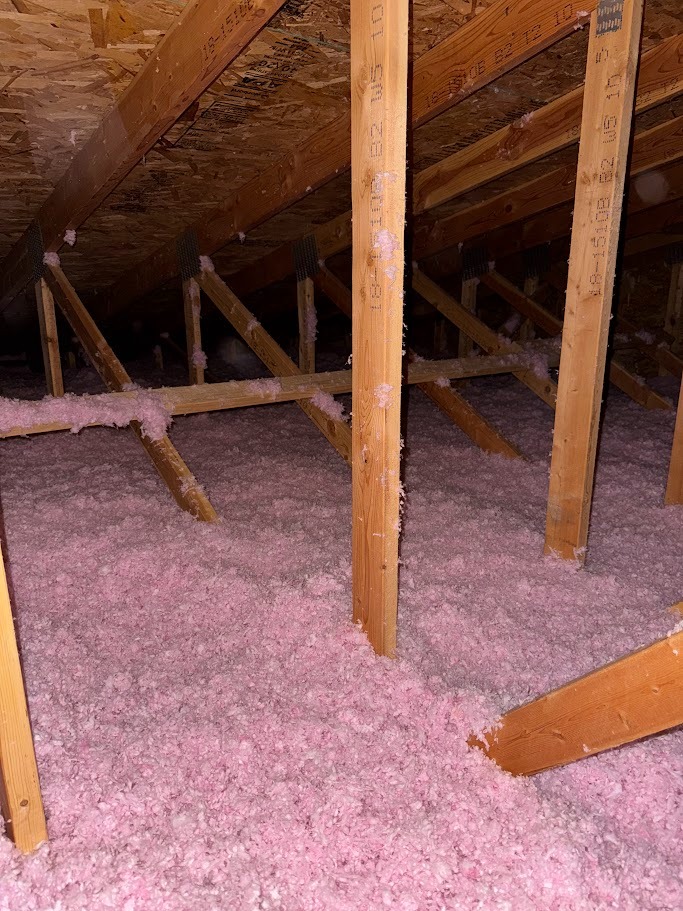
Not every home needs a complete removal and replacement. If the existing material is dry and pest-free, “topping up” the insulation levels can be a cost-effective strategy. Missoula falls under Zone 6, where the Department of Energy recommends an attic R-value between R-49 and R-60. Knowing the current depth helps determine exactly how much material is needed.
Different materials carry different price points and benefits:
Adding insulation without sealing air leaks is like wearing a down jacket with the zipper open. Air sealing stops the physical movement of warm air. Skipping this step reduces the efficiency of the new insulation, extending the payback period.
Insulation in Missoula is more affordable than the initial sticker price suggests for three main reasons: substantial energy savings that pay for the cost, significant financial incentives from federal and local sources, and the prevention of expensive structural repairs. The net cost to the homeowner is often drastically reduced once rebates and tax credits are applied.
Homeowners should review their current attic condition and utility bills to assess potential savings. Waiting to upgrade often results in losing more money through higher energy bills than the cost of the project.
Wegner Insulation helps Missoula homeowners maximize their budget by navigating available rebates and selecting the right materials for the local climate. Reliable thermal protection pays dividends for decades. To discuss your home’s specific needs or to schedule an assessment, contact Wegner Insulation at (406) 654-4636 or send an inquiry to [email protected].
Most standard insulation materials, such as fiberglass and cellulose, last several decades if they remain dry and undisturbed. Spray foam also lasts indefinitely. It is rarely a recurring cost for the same homeowner.
Yes. Injection foam or dense-pack cellulose can be blown into wall cavities through small holes drilled from the exterior or interior. This technique improves comfort significantly without the expense of a complete renovation.
Absolutely. The same barrier that keeps heat in during winter keeps heat out during summer. This reduces the load on air conditioning units, extending the equipment’s lifespan and lowering electric usage during July and August.
Older homes may contain vermiculite, which can contain asbestos. If the insulation appears pebble-like, it should be tested by a professional before being disturbed.