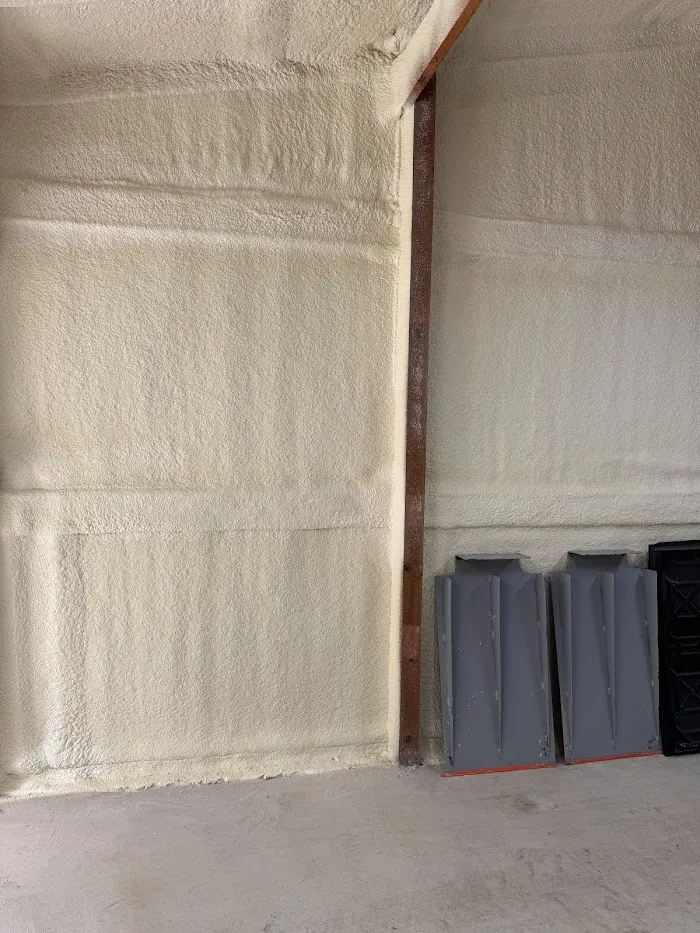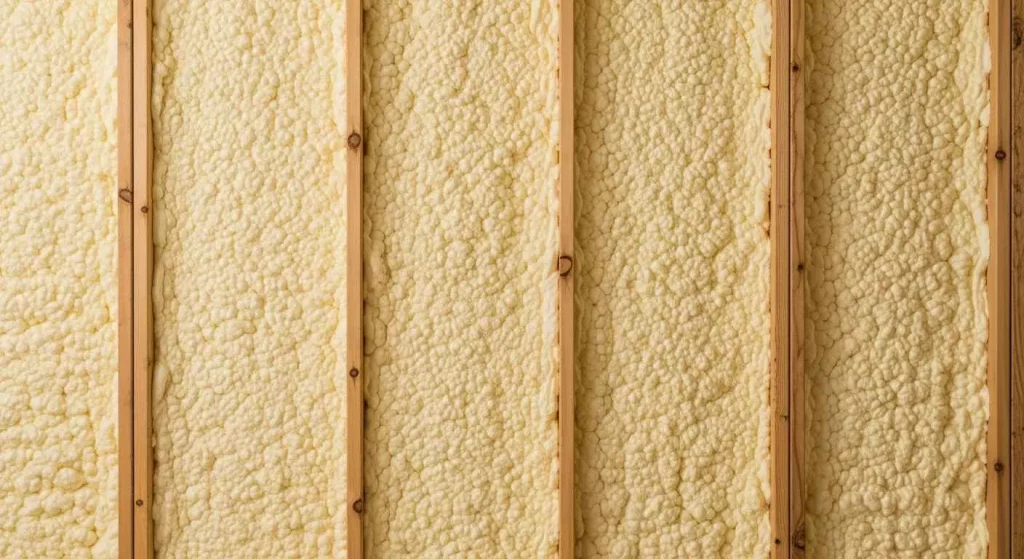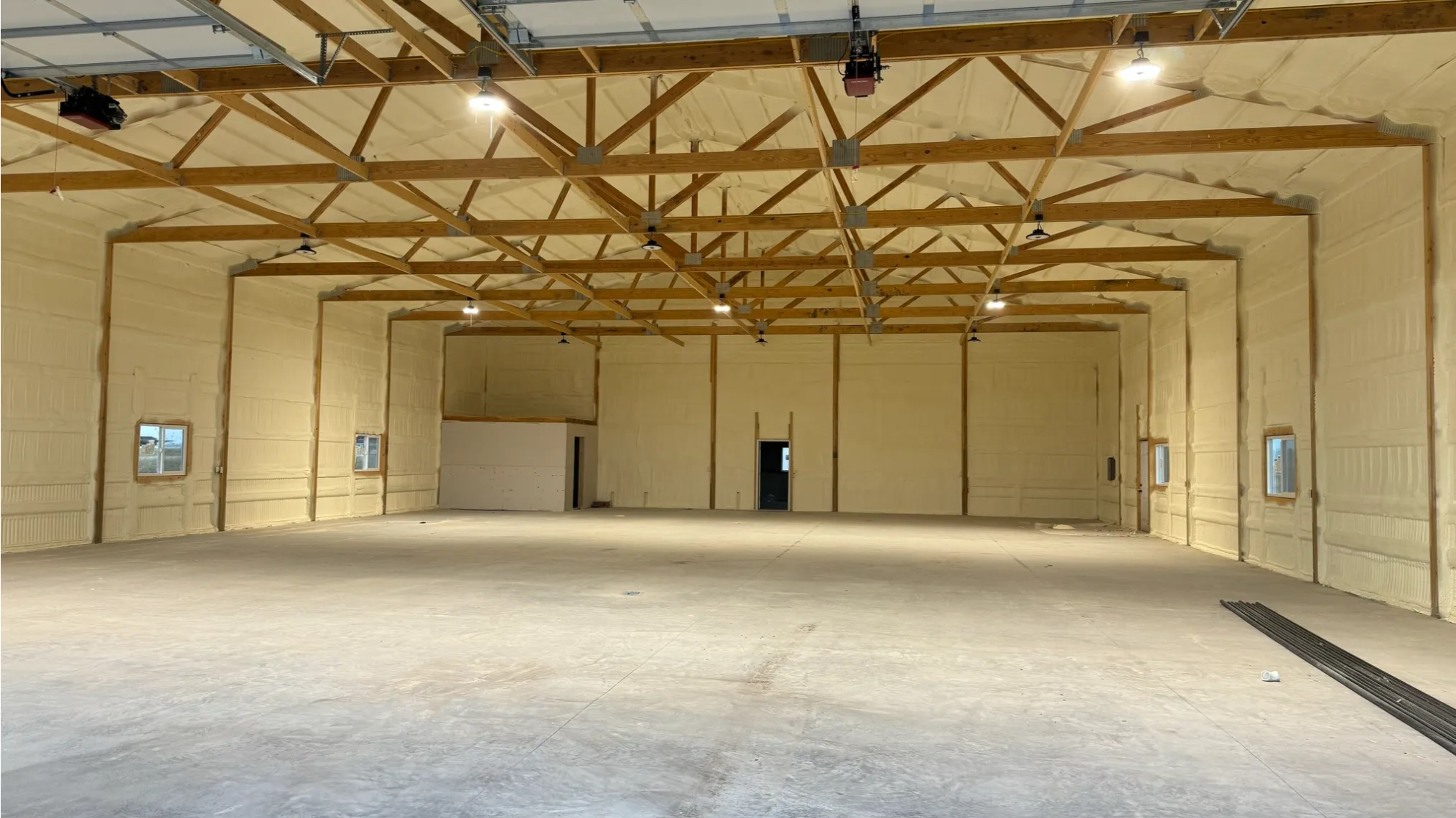
What is the Real Cost of Closed-Cell Spray Foam Insulation in Kalispell Homes
Closed-cell spray foam insulation in Kalispell homes costs between $1.00 and $1.25 per square foot per inch of thickness installed,…


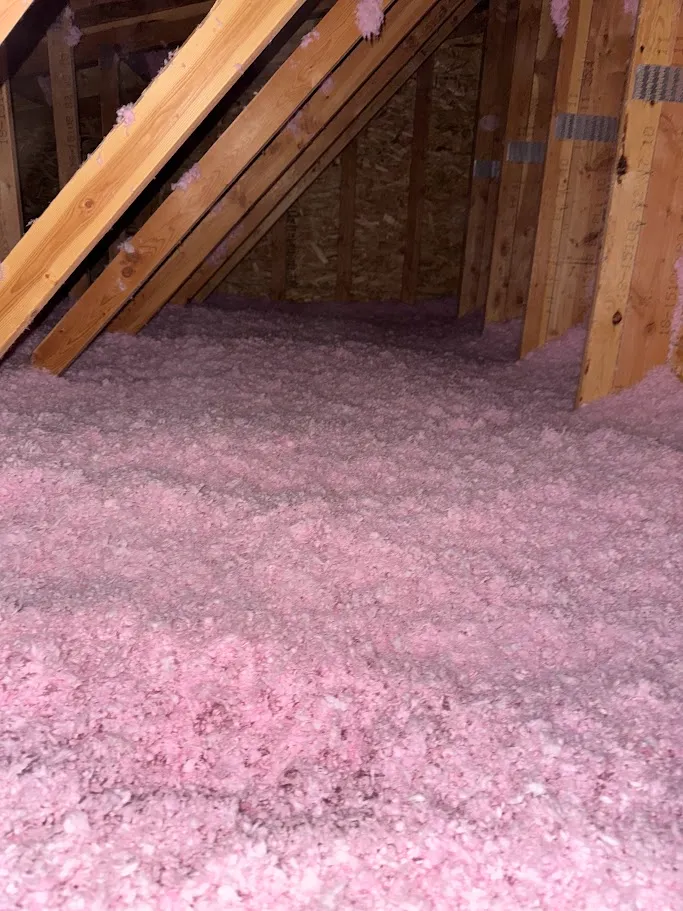
Modern insulation materials, such as spray polyurethane foam, rigid foam boards, and advanced mineral wool, provide superior thermal resistance and air-sealing capabilities compared to traditional fiberglass batts. These materials significantly reduce energy consumption by creating a tight building envelope that prevents conditioned air from escaping and outside air from entering. The primary advantage lies in their ability to maintain consistent indoor temperatures, manage moisture effectively, and lower utility costs over the lifespan of a building.
This guide examines the specific performance benefits of these advanced options, detailing how they function to improve structural durability and occupant health. With extensive experience retrofitting older homes and insulating new constructions, accurate technical knowledge helps property owners make investments that yield tangible returns.
The most distinct advantage of modern insulation is its high density and ability to stop air leaks. R-value measures a material’s resistance to conductive heat flow. Higher numbers indicate better insulating power. While older materials rely solely on trapping pockets of air, modern options like closed-cell spray foam serve two purposes simultaneously: they insulate and seal air gaps.
Air leakage accounts for a massive portion of energy waste in residential buildings. Data published by the Department of Energy indicates that properly insulating and air-sealing a home can save homeowners an average of 15% on heating and cooling costs. However, this figure often rises in extreme climates. Traditional batts usually leave gaps around outlets, pipes, and studs. Modern spray-applied or rigid materials form a continuous barrier. This reduces the workload on HVAC systems, extending the life of furnaces and air conditioners.
Moisture accumulation within walls can lead to mold, rot, and costly structural repairs. Advanced insulation materials play a massive role in managing humidity. Closed-cell spray foam and rigid foam boards act as vapor retarders. They prevent warm, moist interior air from contacting the cold exterior sheathing, where condensation typically forms.
Traditional insulation often sags over time, creating voids where moisture collects. Modern materials maintain their shape and adhere directly to the substrate. This adhesion adds racking strength to walls and roofs, making the structure more durable against high winds and environmental stress.
Bonus Tip: When insulating a basement or crawl space, prioritize hydrophobic (water-repellent) materials, such as rigid foam or closed-cell spray foam. Cellulose or fiberglass can absorb ground moisture in these areas, rendering them ineffective.
Choosing the right material depends on the specific application, budget, and climate zone. The following table outlines the technical specifications of common modern insulation types compared to traditional options.
| Material Type | Approx. R-Value per Inch | Best Application | Primary Advantage |
|---|---|---|---|
| Closed-Cell Spray Foam | R-6.0 to R-7.0 | Roof decks, basements, exterior walls | Highest R-value, built-in vapor barrier, structural strength |
| Open-Cell Spray Foam | R-3.5 to R-3.8 | Interior walls, attics | Expands 100x to fill odd cavities, excellent sound dampening |
| Rigid Foam (XPS/ISO) | R-4.5 to R-6.5 | Exterior sheathing, foundation walls | High compressive strength, continuous insulation layer |
| Mineral Wool | R-3.0 to R-3.3 | Fire-rated assemblies, interior partitions | Fire resistance, superior sound absorption, water repellent |
| Traditional Fiberglass | R-2.2 to R-2.7 | General cavity fill | Low initial material cost |
Homeowners often focus on temperature, but modern insulation also heavily influences indoor environmental health. By sealing the building envelope, materials like spray foam prevent external pollutants, allergens, and dust from entering the living space. This is particularly beneficial in agricultural or urban areas where outdoor air quality varies.
Sound transmission is another factor where modern materials excel. Mineral wool and open-cell spray foam have high sound transmission class (STC) ratings. They absorb sound waves rather than reflecting them. This creates quieter interiors by dampening noise from traffic, neighbors, or mechanical systems.
A report from the North American Insulation Manufacturers Association highlights that properly installed insulation contributes to a quieter home environment while simultaneously reducing greenhouse gas emissions associated with heating and cooling.
Selecting insulation is not a one-size-fits-all process. Several pre-decision factors influence the success of an insulation project.
The effectiveness of insulation depends on the building’s location. A home in Montana (Climate Zone 6) requires higher R-values and different vapor barrier strategies than a home in Arizona. Local building codes set minimum requirements, but exceeding them often results in better long-term performance.
New builds allow for clear access to wall cavities, making any material an option. Retrofitting existing homes presents challenges. For example, injection foam or dense-pack cellulose works well for enclosed walls without removing drywall, whereas spray foam usually requires open cavities.
High-performance materials come with a higher upfront cost. However, the calculation should include monthly energy savings and equipment sizing. A well-insulated house may require a smaller, less expensive HVAC system. A Grand View Research market analysis suggests that the global shift toward energy-efficient building materials is driven by the need to reduce long-term operational costs and meet stricter environmental regulations.
Bonus Tip: Ask about the “Flash and Batt” method. This hybrid approach uses a thin layer of closed-cell foam to seal the cavity (flash), followed by a fiberglass batt to fill the rest. It offers the sealing benefits of foam at a lower price point.
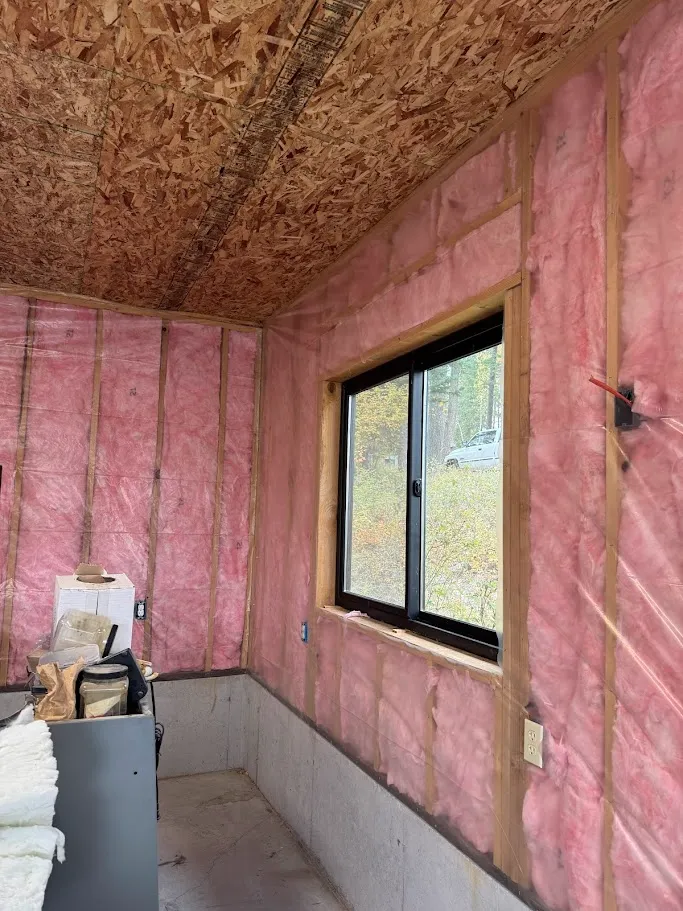
Modern insulation materials offer a direct path to reducing energy waste, improving indoor comfort, and extending a building’s structural longevity. The shift from simple blankets to engineered air barriers represents a significant advancement in building science. Homeowners should evaluate their specific climate needs, budget, and current structural conditions. Prioritizing air sealing alongside R-value ensures that the investment pays off through lower monthly bills and a healthier living environment.
If you need a professional evaluation of your property’s efficiency, Wegner Insulation provides detailed inspections and expert installation services. We help you navigate the options to find the solution that fits your specific needs.
Phone: (406) 654-4636 Email: [email protected]
Most spray foam products are safe for re-entry 24 to 48 hours after application. The material expands and hardens within seconds, but adequate ventilation is required during curing to off-gas volatile compounds.
A house cannot be “too tight,” but it can be under-ventilated. When you seal a home tightly for energy efficiency, you must ensure proper mechanical ventilation (such as an HRV or ERV) to bring in fresh, filtered air while expelling stale air.
Energy-efficient upgrades act as a selling point. Documented low utility bills and high-performance insulation certificates verify the home’s quality to potential buyers. It signals that the mechanical systems and structure are well-maintained.
While homeowners can install mineral wool or rigid boards, spray foam requires specialized equipment and training to mix the chemicals at the correct temperature and pressure. Improper application can lead to off-ratio foam that does not cure or insulate correctly.
Most insulation materials include fire retardants. Mineral wool is non-combustible and can withstand temperatures exceeding 1,000°F. Spray foam must be covered with an ignition barrier, such as drywall, to comply with fire safety codes.