

Living in Libby means enjoying breathtaking views of the Cabinet Mountains, but it also means enduring harsh, freezing winters and humid summers. At Wegner Insulation, we provide high-performance insulation strategies explicitly tailored for homeowners, commercial contractors, and agricultural managers in Lincoln County. Whether you are retrofitting a historic log home near the Kootenai River or constructing a new metal pole barn, our advanced spray foam and fiberglass solutions create a seamless thermal envelope. We focus on drastically reducing your heating loads, preventing moisture buildup, and ensuring your property remains comfortable year-round.

Achieving actual energy efficiency in Northwest Montana requires more than just filling wall cavities; it demands a comprehensive approach to air sealing and thermal resistance. In Libby’s climate, air leakage accounts for a significant portion of energy loss, leading to ice dams and uncomfortable drafts. Our team specializes in diagnosing thermal bypasses and applying the appropriate insulation density to address the region's specific environmental stressors. By creating a continuous air barrier, we help stabilize indoor temperatures, protect your building’s structural integrity against moisture, and extend the lifespan of your HVAC systems.
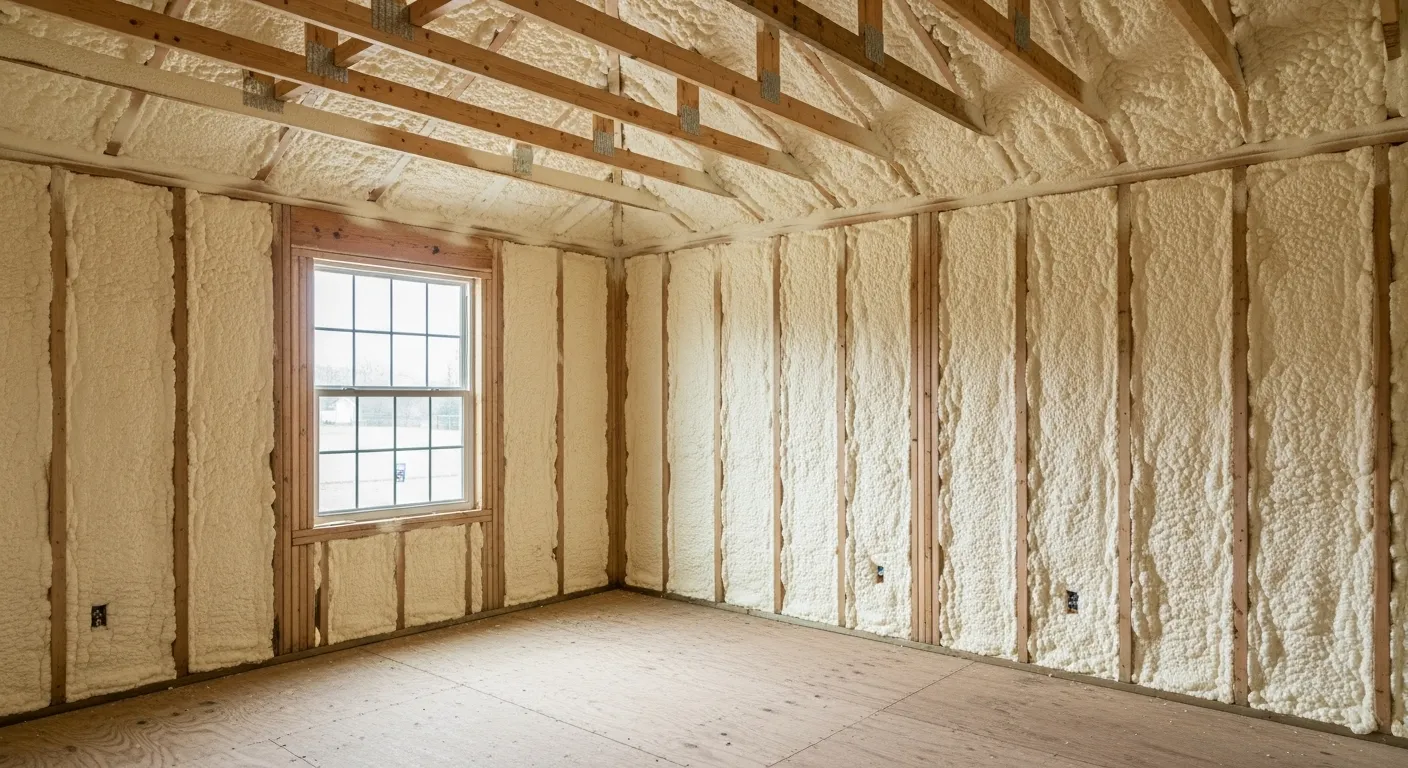







Choosing Wegner Insulation means investing in the longevity of your property and the comfort of its occupants. In Libby, where temperatures can plummet well below freezing, generic insulation methods often fail to prevent heat loss, leading to skyrocketing utility bills. Our team brings a scientific approach to insulation, utilizing thermal imaging and pressure diagnostics to ensure every gap is sealed. We are not just contractors; we are building science specialists dedicated to transforming your drafty structure into an energy-efficient fortress. Don't let your hard-earned money escape through your roof. Let us help you lock in the heat.
Troy, Eureka, Yaak, Fortine, Kalispell, West Glacier, Hungry Horse, Columbia Falls, Polebridge, Noxon
Lincoln County, Flathead County, Sanders County
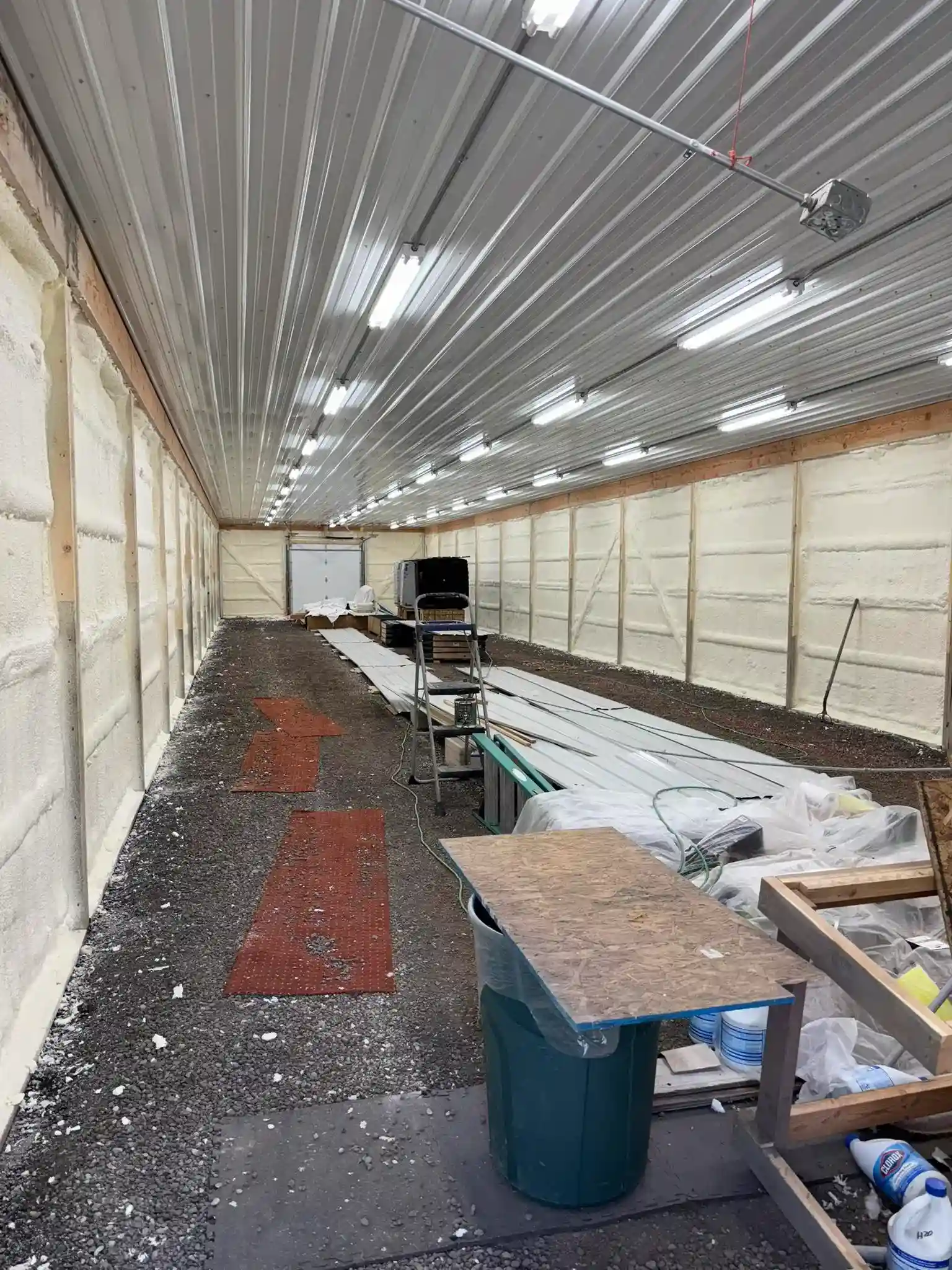
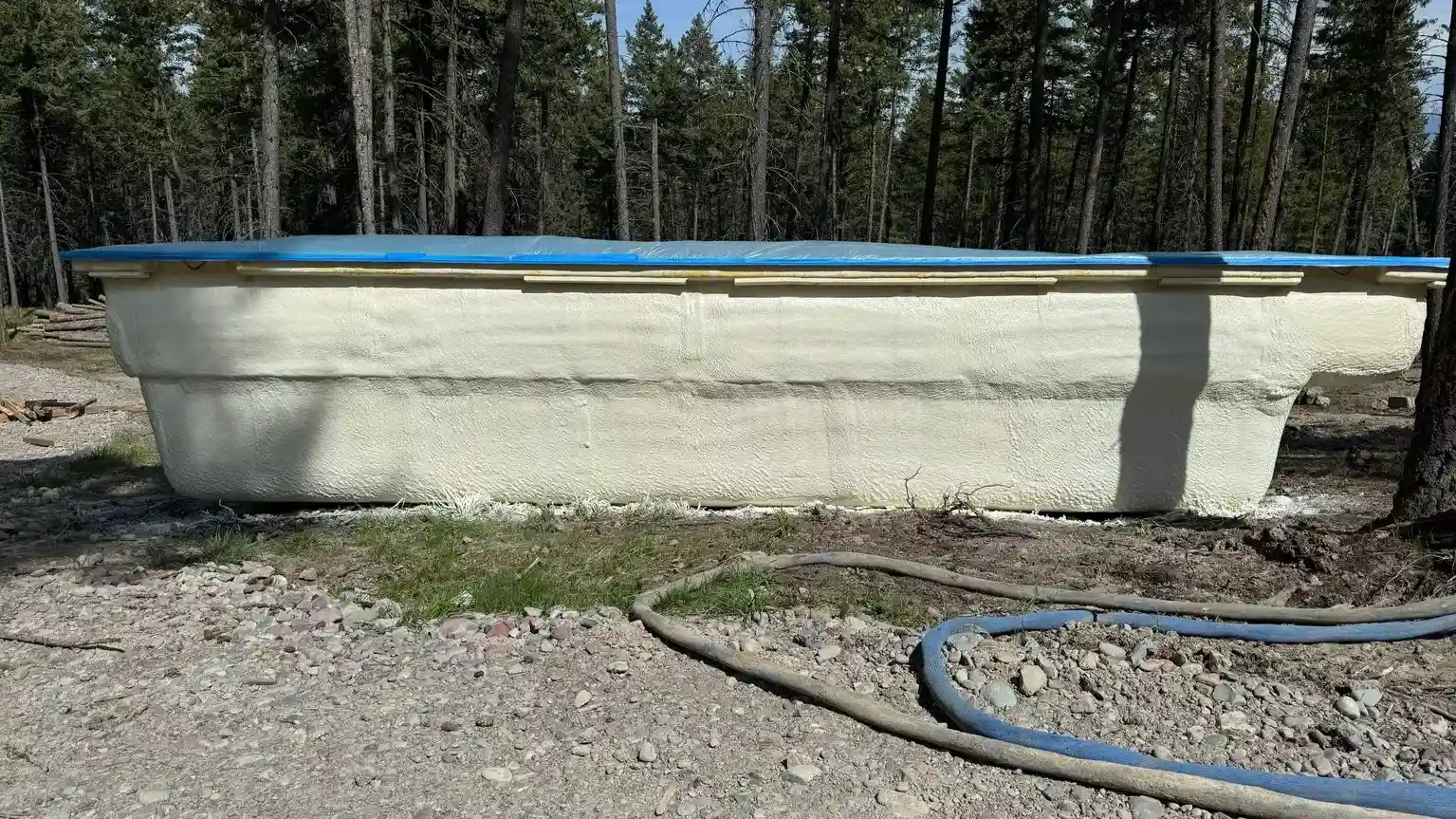
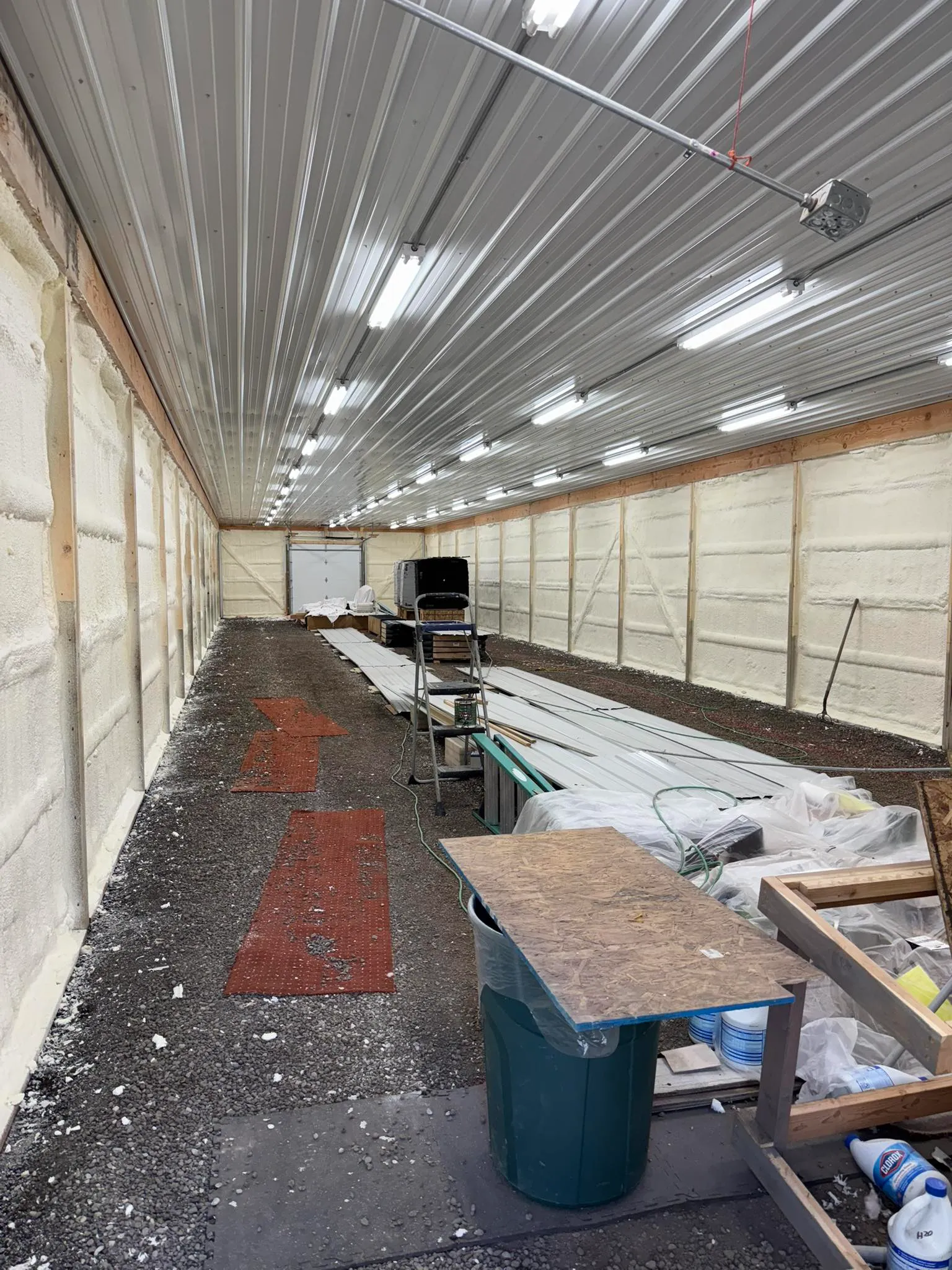
The Challenge: A local mechanic in Libby was struggling to work in his metal pole barn during winter. Despite heating the space, condensation would drip from the metal roof, rusting tools, and making the environment unbearable.
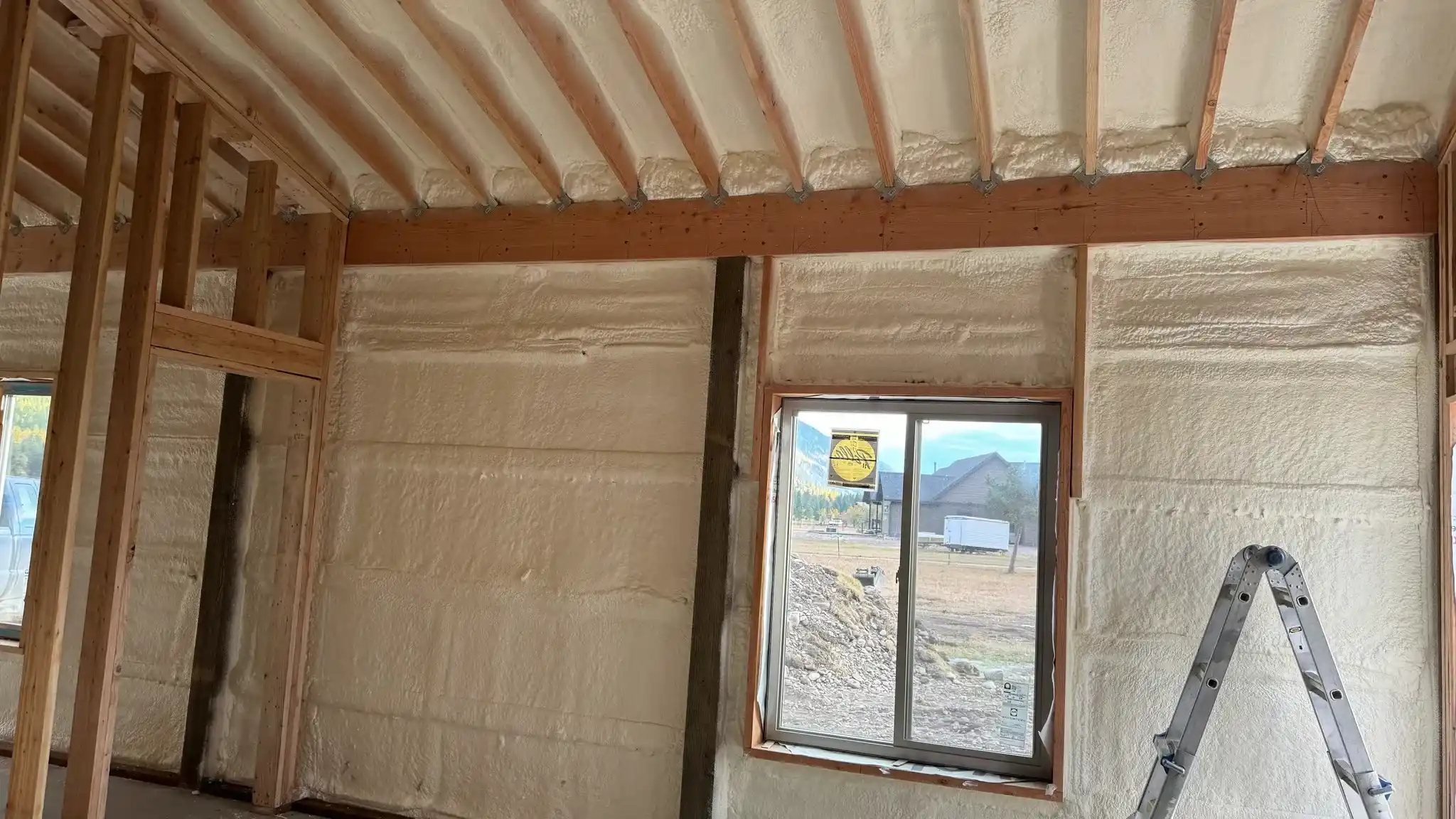
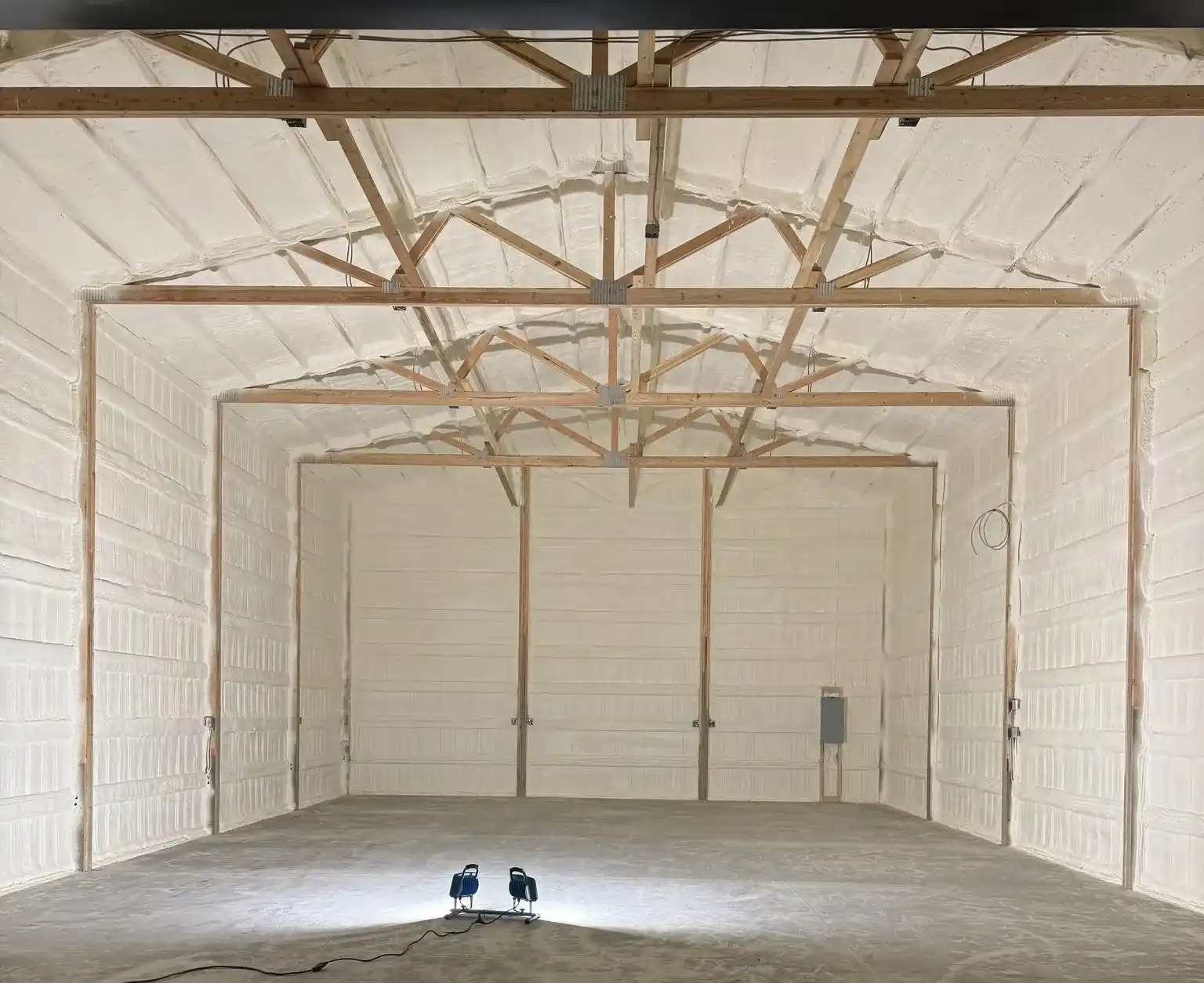
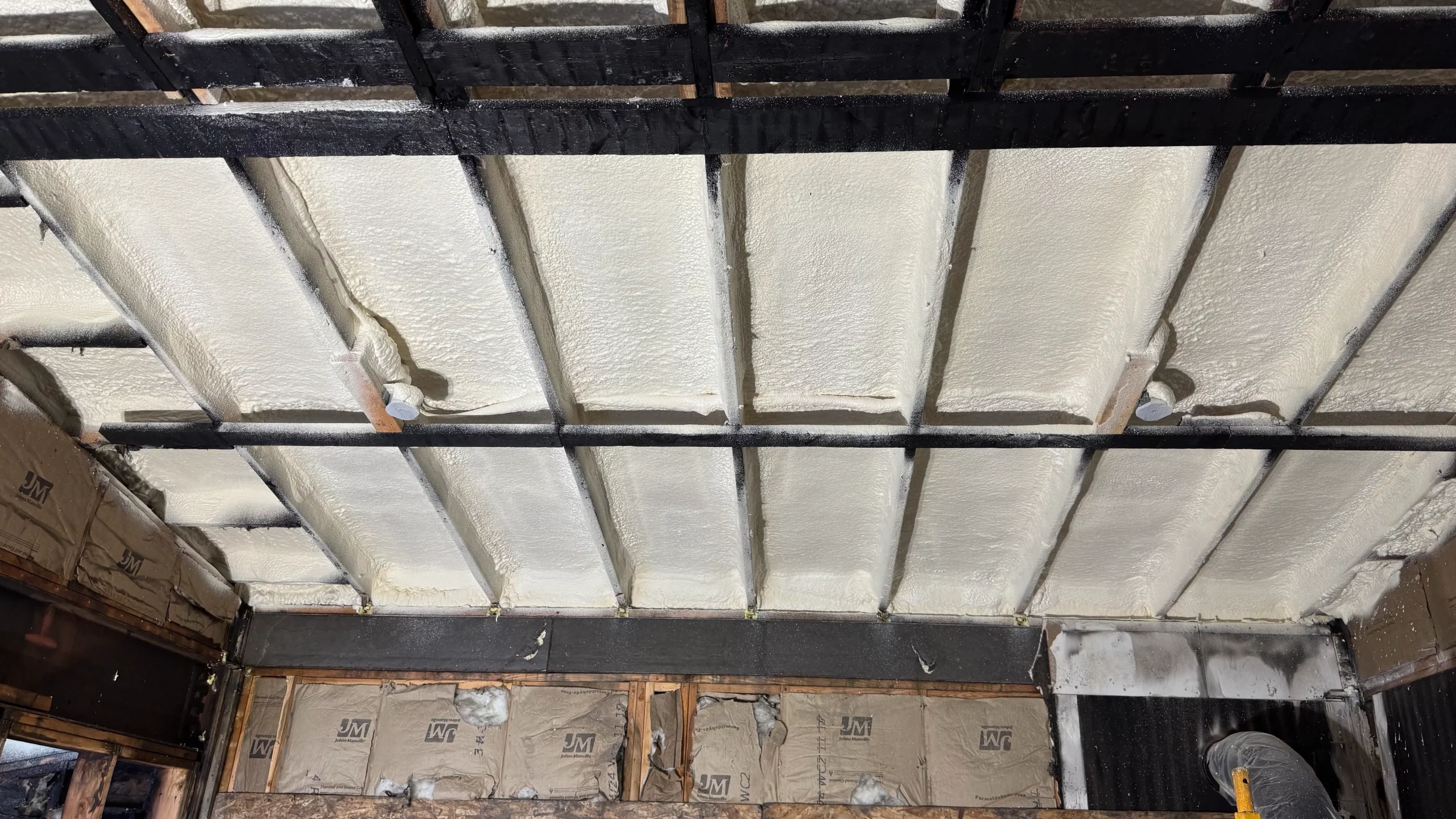
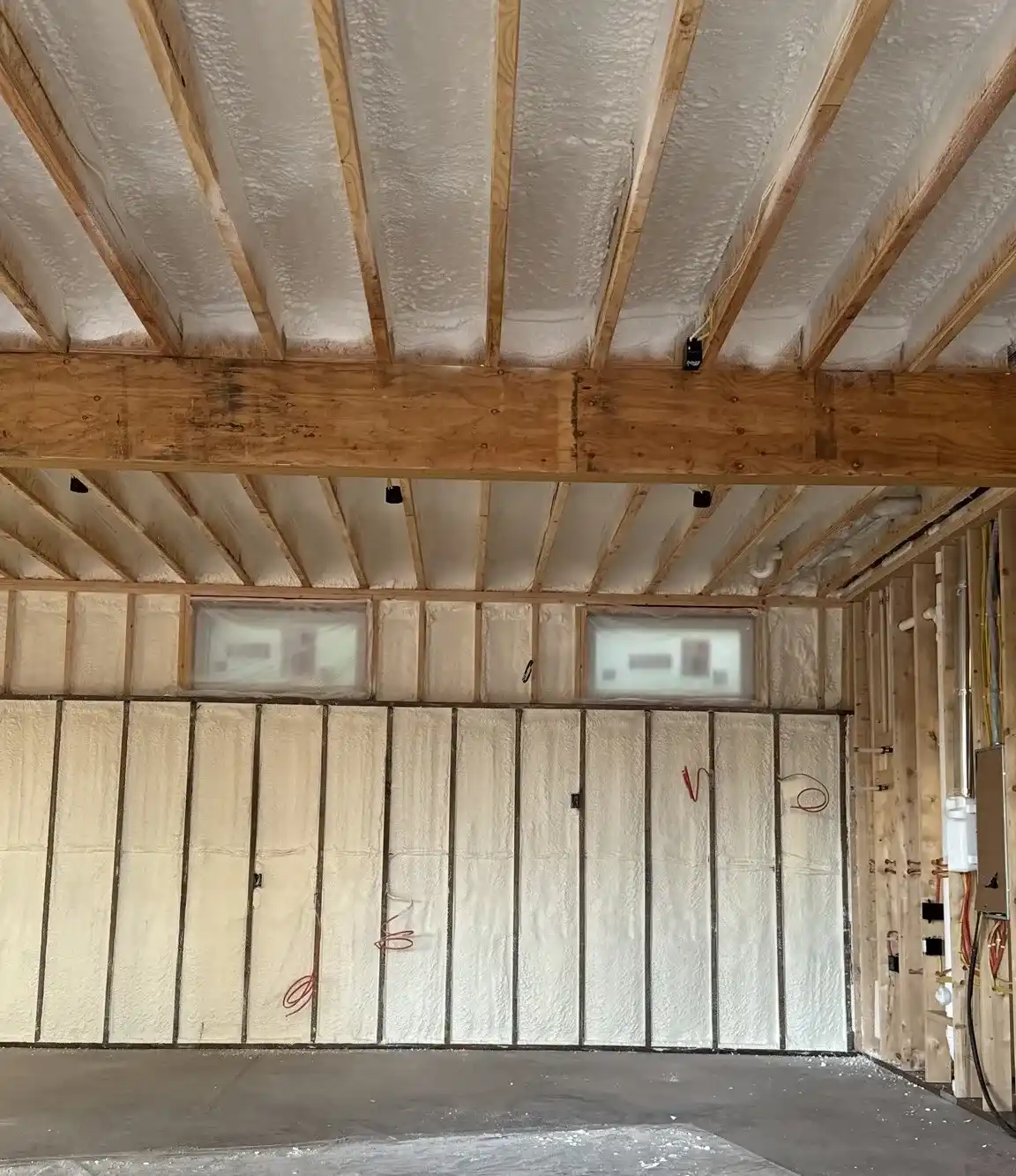
The Solution: Wegner Insulation applied 2 inches of Closed Cell Spray Foam to the roof deck and walls. This created a monolithic vapor barrier that eliminated the condensation issue entirely.
The Result: The shop now retains heat efficiently, "indoor rain" has stopped, and the metal siding's structural rigidity has improved, significantly reducing wind noise.
Stop overpaying for energy and start enjoying a consistently comfortable indoor climate. Whether you need to insulate a new build in Eureka or retrofit a cabin in the Yaak, Wegner Insulation is here to help.Contact us today for a free consultation and estimate.
Phone: (406) 654-4636 Email: [email protected]
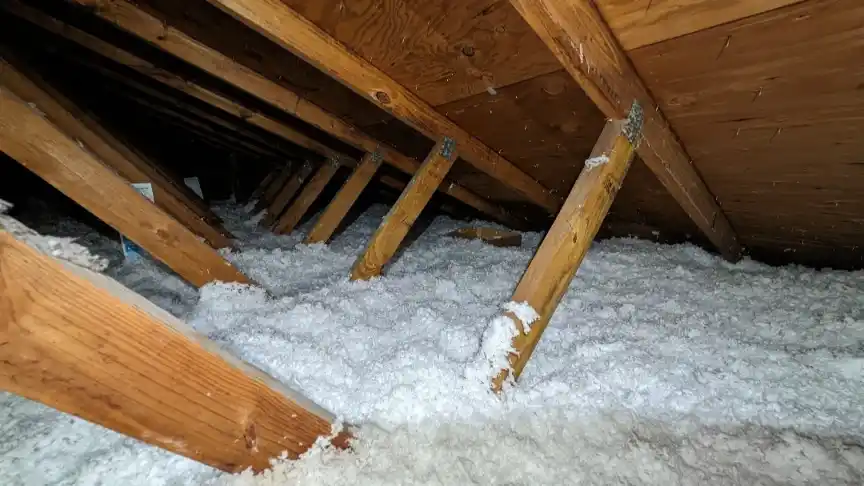
Ice dams occur when warm air escapes into the attic, melting snow on the roof, which then refreezes at the eaves. The most effective solution is Closed Cell Spray Foam applied to the roof deck or a combination of rigorous Air Sealing and Blown-In Insulation on the attic floor. This stops the heat transfer that causes the melting cycle.
Yes, professional spray foam application is possible in winter, provided the rig is properly equipped. We condition the chemicals in our truck and may heat the application area to ensure the foam adheres and cures correctly. Winter is actually an excellent time to insulate, as the immediate comfort benefits are noticeable.
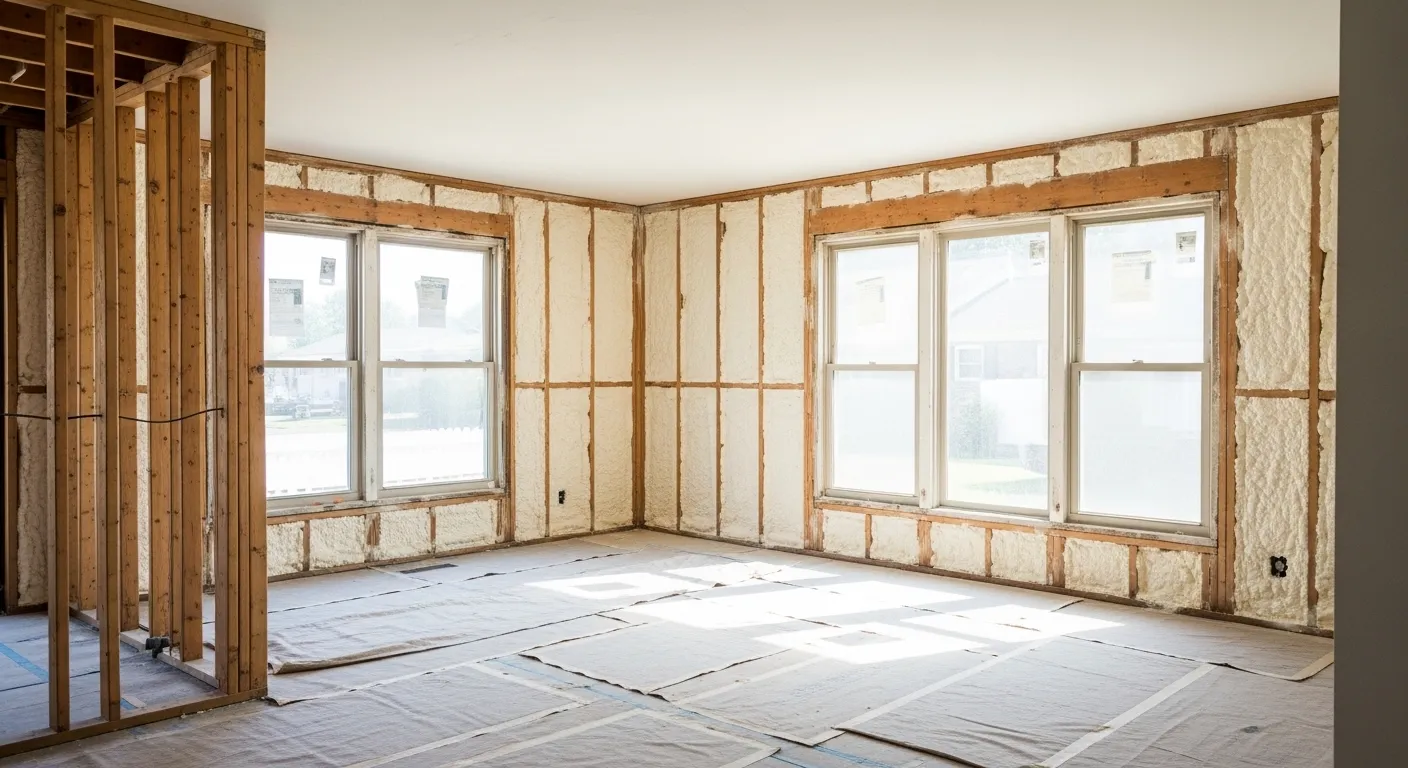
Proper insulation, particularly spray foam, acts as an air barrier, sealing your home from the outside environment. This prevents moisture-laden air from entering your home during humid months and stops warm, moist indoor air from hitting cold surfaces in the winter, which is the primary cause of condensation and mold growth.
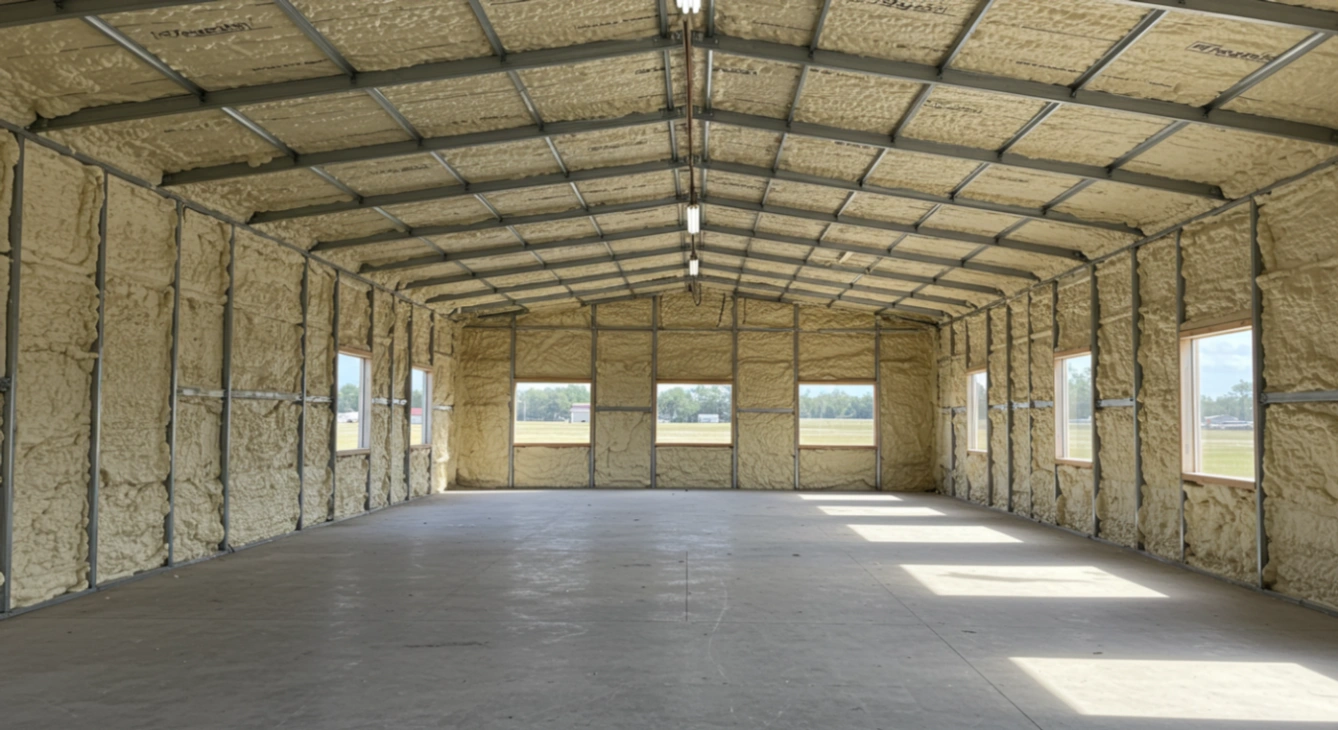
Absolutely. Metal buildings are notorious for conducting heat and cold (thermal bridging) and generating condensation. Closed cell foam bonds directly to the metal, stopping condensation immediately, adding up to 300% racking strength to the structure, and providing a high R-value in a thin layer, maximizing usable interior space.
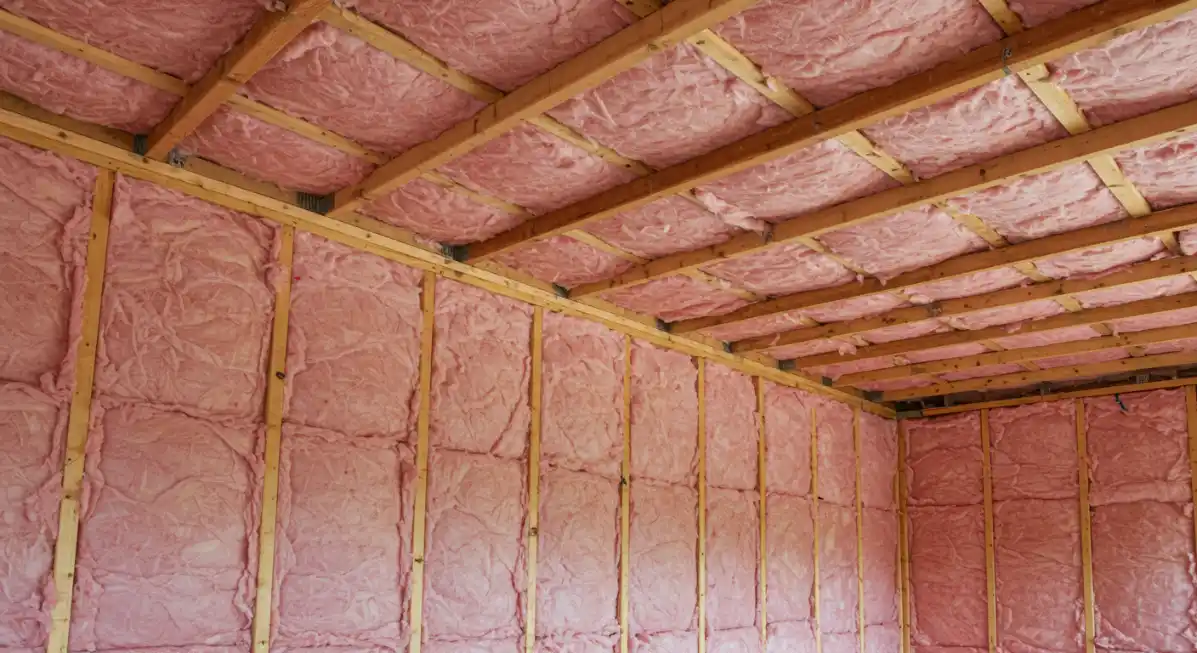
R-value measures a material's resistance to conductive heat flow (how well it holds heat). Air sealing measures how well the building envelope stops air leakage (drafts). For a home to be efficient, you need both. High R-value fiberglass without air sealing is like wearing a wool sweater on a windy day; spray foam provides both the shirt and the windbreaker in one step.